Kekalahan Loke cetus persoalan kewajaran strategi dwiperanan
Pemimpin DAP secara tradisinya serentak memegang kerusi DUN dan Parlimen, yang memaksa mereka membahagikan masa antara kedua-duanya.
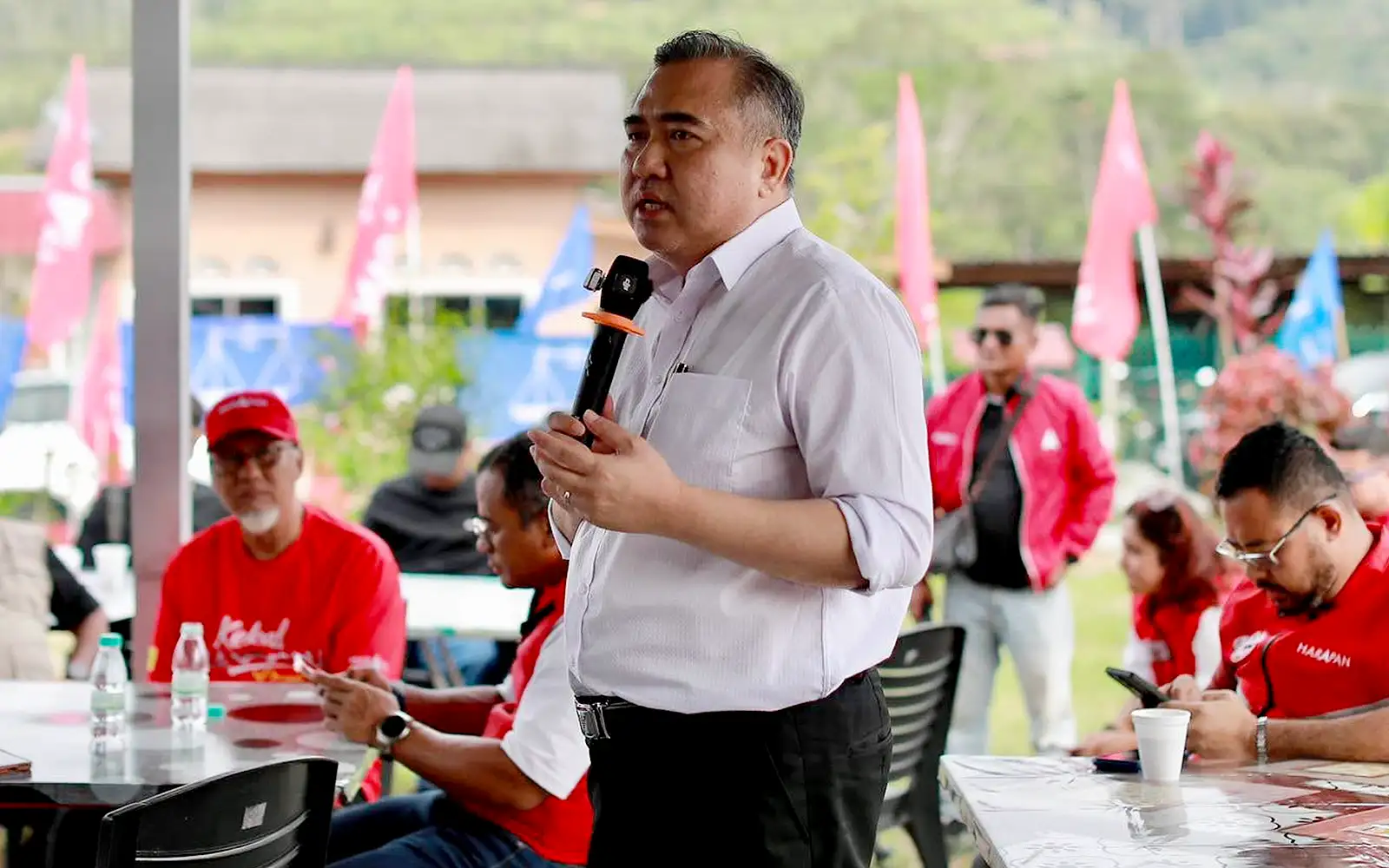
The recent loss of DAP Deputy Chief Loke Siew Fook in Chennah, Jelebu, during the PH campaign has raised concerns about whether senior DAP politicians should hold both parliamentary and DUN seats simultaneously. Loke is currently serving as MP for Seremban and is also the Transport Minister, positions he took on to assume responsibility for the party's two DUN losses.
He lost to MCA's Siow Kong Choon in Chennah with 688 votes and is planning to continue his fourth term as an MP there. Veerapan Supramaniam also lost in Repah to Koh Kim Swee, both MCA candidates. Asrul Sani, a fellow party member and Asia Group Vice-President, stated that the question is whether placing a highly-profile candidate in both levels still provides advantages in the selection process as it used to.
He noted that the electoral landscape has shifted since 2018, when younger voters were eager for political change. "Putting a high-profile national leader (then) could boost voter enthusiasm," he told FMT. "However, after two consecutive PH governments in Negeri Sembilan and the return of the federal government to Pakatan, voter apathy has increased."
He attributed this to growing dissatisfaction with the combined performance. "Seniority and charisma no longer provide an edge in elections. In fact, this might make candidates subject to too much criticism, handling too many responsibilities, and failing to focus on local issues adequately." Asrul admitted that running for both DUN and Parliament still offers advantages tactically, as it allows the party flexibility to showcase a high-profile leader to retain marginal seats, drive the state campaign, and keep local issues at the federal government forefront.
He added that this clearly worked when voters were motivated by a desire for change and the right-wing opposition leader enjoyed strong support, but he maintained that this is no longer applicable given the federal government's current control. Instead, he said, senior politicians like this might appear to carry too many responsibilities, serve in troubled areas, and deny a young local leader the chance to build their own support base.
"It also risks focusing too much political attention on a small number of right-wing leaders. When one of them loses, the party not only loses a seat but also loses a key player in the campaign," he added. Oh Ei Sun, Pacific Research Centre of Malaysia's chief adviser, raised the issue of the impact of dual-candidate nomination in leadership succession.
He said the party usually prioritizes the most electable candidate, which often leads to popular leaders being nominated for both parliamentary and DUN seats. However, he argued that the party should also nurture young leaders by allowing right-wing leaders holding parliamentary seats to vacate their DUN seats to give new members a chance to run.
He said separating the two roles should become standard, especially considering there are only a few dual-candidate instances in DAP. "The idea is to create more future leaders," he said. "Being an MP and a member of Parliament at the same time is difficult, especially when the two constituencies are not in the same location," he noted.
Written by urgent.news from Free Malaysia Today's reporting — not their text. Machine-written — may contain errors; check the original before relying on it.