Japan weighs greater investment flexibility for GPIF as fund reports Q1 results
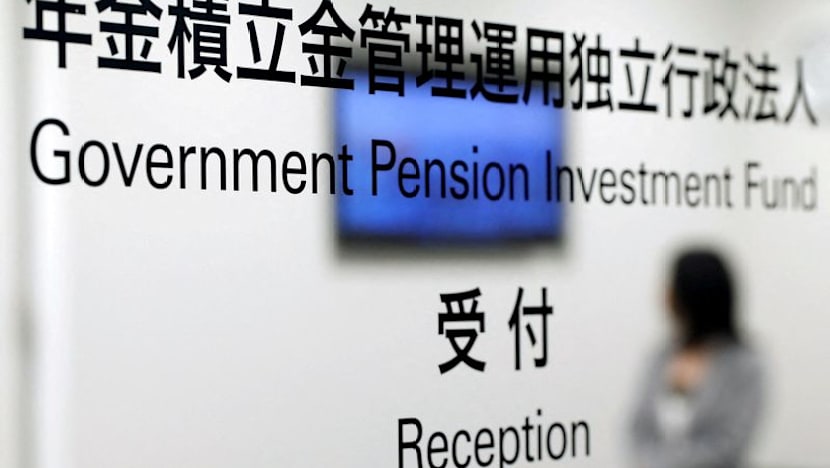
Japan's Government Pension Investment Fund (GPIF) will release its performance for the April-June quarter on Friday, August 7. The world's largest pension fund is projected to generate comfortable returns, driven by gains from domestic and foreign equities during the period. A strong showing would underscore the fund's resilient portfolio, which is evenly split between domestic bonds, foreign bonds, domestic equities, and foreign equities.
This could potentially complicate arguments for a major strategic overhaul, just a year after the fund concluded its latest five-year review.
The proposal for increased investment flexibility in GPIF's portfolio emerged last month when Finance Minister Satsuki Katayama expressed the government's intention to encourage state pension funds to allocate more domestic assets due to rising domestic bond yields and stronger stock returns. However, officials have since clarified that no significant policy changes are imminent.
Instead, they suggested granting the fund more leeway within its existing targets, ranging from five to six percentage points, rather than embarking on a full strategic review.
GPIF's basic portfolio allocates 25% to each of four asset classes, with permissible deviations of up to five to six percentage points. The fund's institutional evaluation emphasizes maintaining holdings and investment performance close to its benchmarks, which may have led to more frequent rebalancing than necessary, according to Koji Okuda, an executive researcher at Dai-ichi Life Research Institute.
With assets worth US$1.8 trillion, GPIF's influence extends beyond Japan's borders, potentially impacting currency, stock, and debt markets worldwide. Altering its basic portfolio would entail a lengthy and highly institutionalized process. The fund reviews its medium-term investment strategy every five years, in conjunction with the health ministry's actuarial review of the public pension system. This assessment sets long-term pension finances and determines GPIF's required return and benchmark allocation.
While rising domestic bond yields might warrant a review, the 2014 overhaul demonstrated that major changes require strong political leadership. That year, GPIF reduced its domestic bond target from 60% to 35% and raised its domestic equity target from 12% to 25%, while simultaneously increasing foreign assets. This shift gained momentum under Shinzo Abe's second term as prime minister, who incorporated GPIF reform into his economic agenda in 2012. An expert panel and broad support across ministries facilitated the 2014 overhaul.
Dai-ichi Life's Okuda noted that the shift towards inflation could provide a rationale for change today, but the government has yet to demonstrate comparable political commitment. The potential for change remains dependent on a renewed political push, which has not yet materialized.
Written by urgent.news from Channel News Asia's reporting — not their text. Machine-written — may contain errors; check the original before relying on it.