Iran says it has a deal to reopen the Strait of Hormuz—and shipowners are outraged by its plan to charge fees
Everything you need to know before you reach the office this morning.
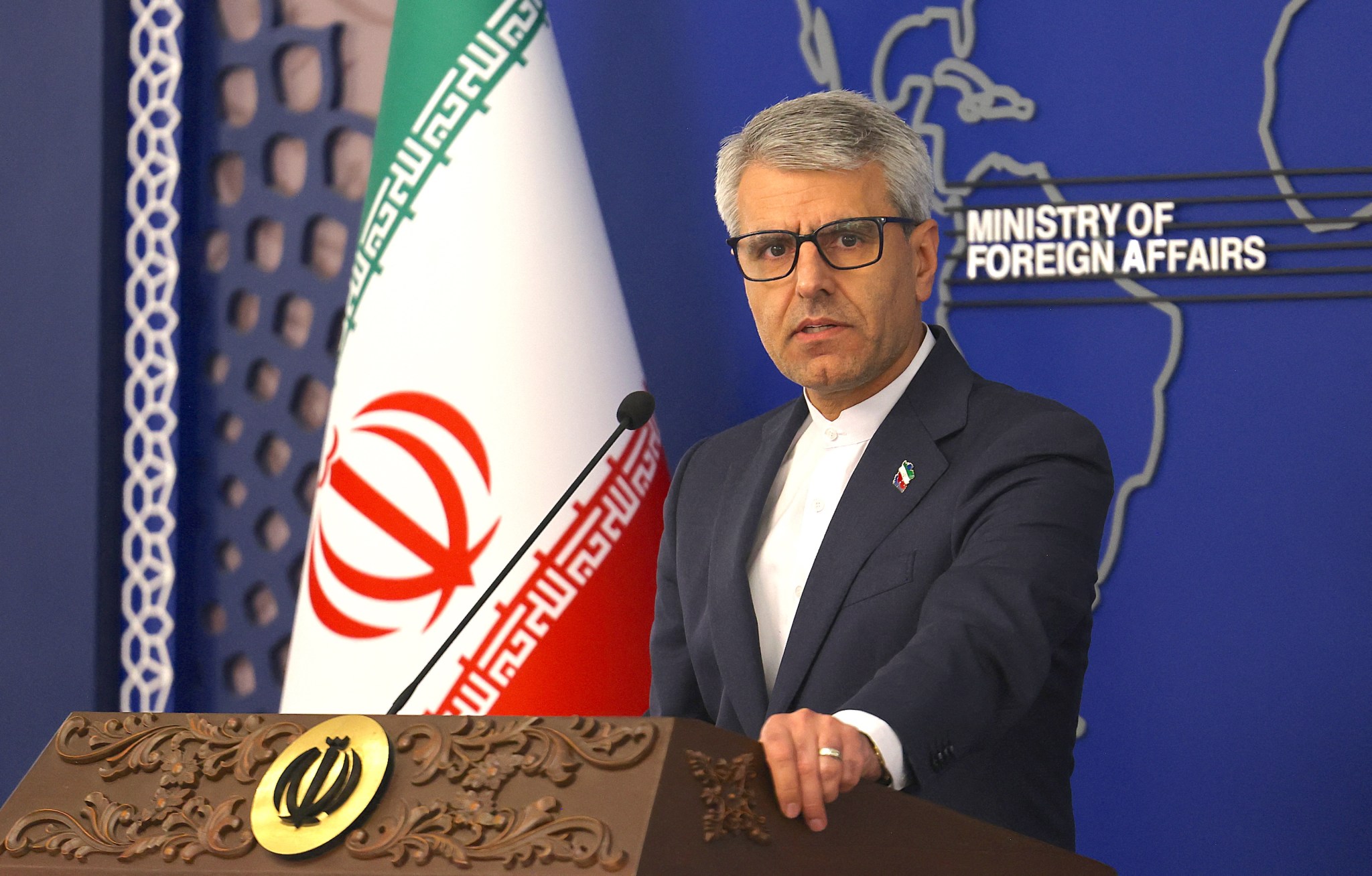
Iran and Oman are negotiating a plan to control the Strait of Hormuz, limiting the passage of US, Israeli, and other "hostile" ships through the waterway. The draft suggests that any nation or individual responsible for harming Iran will be denied permission to transit the Strait until compensation is paid. Violations of this agreement could result in hefty fines, up to 20% of the value, with the government and armed forces assuming responsibilities such as navigation guidance, vessel traffic oversight, and security and environmental protection of the Persian Gulf.
WTI Oil, a benchmark US crude, experienced a 3.30% increase to $77.00 following the news. Oil prices are influenced by supply and demand, global economic conditions, political instability, wars, sanctions, and OPEC's production decisions. The US Dollar's value impacts WTI Crude Oil prices, as the commodity is primarily traded in US Dollars, making it more affordable when the Dollar weakens.
Weekly Oil inventories reported by the American Petroleum Institute and Energy Information Agency can also affect WTI Oil prices, with declining inventories signaling increased demand and higher prices. OPEC's production decisions, particularly when they reduce quotas, can tighten supply and raise Oil prices. Gold prices surged past $4,600, while Bitcoin and other cryptocurrencies continued their bullish trend.
Unexpected US Treasury interventions, such as increased liquidity support buyback operations, can also impact market direction.
Written by urgent.news from FXStreet's reporting — not their text. Machine-written — may contain errors; check the original before relying on it.