India’s internet war
In 2014, Narendra Modi pioneered the use of social media and digital campaigning in India to become prime minister. Known as one of the first global politicians to harness the power of the internet, he has the most social media followers of any world leader currently in office. Today, over a decade since Modi’s digital-first […]
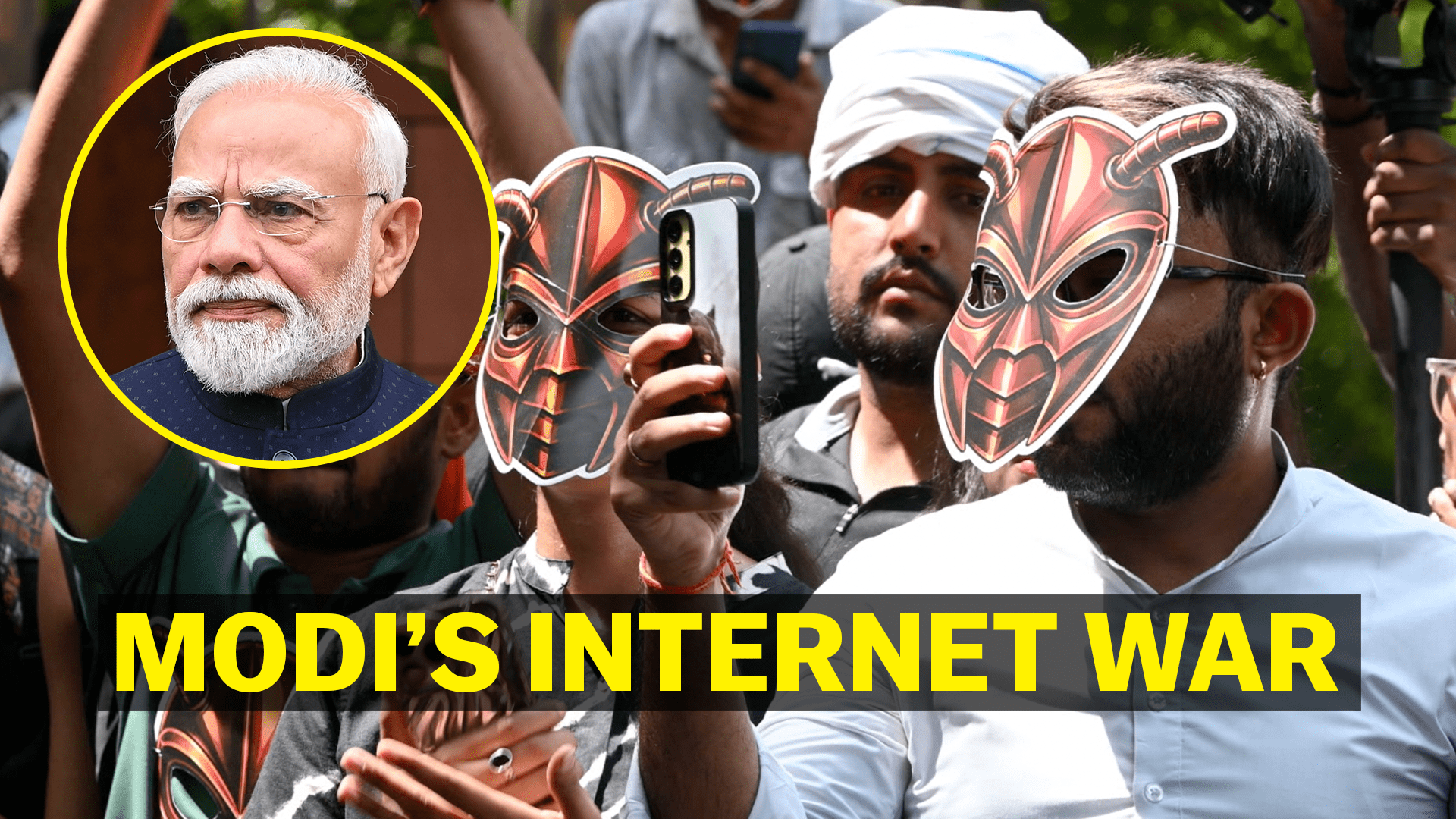
In 2014, Narendra Modi set a precedent for political campaigning in India by leveraging social media and digital platforms. As one of the earliest global leaders to embrace the internet, Modi boasts a substantial online following. However, a decade later, a youth-led movement called the Cockroach Janta Party (CJP) is utilizing the same digital tools to organize protests and challenge the government.
The CJP successfully forced the resignation of a top adviser to Prime Minister Modi, signaling the potential power of social media in Indian politics. In response, the Indian government has intensified its crackdown on protesters, including arrests and stricter censorship of platforms like X and Meta. The CJP's legacy is complex, as it brought attention to crucial issues like Gen Z unemployment and meritocracy, while simultaneously prompting the government to implement more stringent censorship laws to curb potential dissent.
This shift in the role of the internet in Indian politics leaves open the question: How far will Modi's government push to control its citizens and limit free speech? For further reading on censorship in India and the CJP, refer to MediaNama's censorship tracker and live list of censorship following the Jantar Mantar protests in New Delhi.
Written by urgent.news from Vox's reporting — not their text. Machine-written — may contain errors; check the original before relying on it.