‘I’m not spying’: how Meta’s smartglasses have divided opinion
While some users say the wearables have changed their lives, critics voice fears over safety and privacy With more than 7m pairs reportedly sold in 2025, Meta’s Ray-Ban smartglasses are fast becoming one of the world’s most popular gadgets. While supporters say they are transforming photography and accessibility, critics have raised concerns about nonconsensual filming, privacy and data…
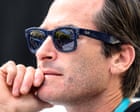
Meta's Ray-Ban smartglasses have sparked a heated debate over their impact, with supporters praising their transformative capabilities and critics raising concerns about safety and privacy. Over 7 million pairs have reportedly been sold since their release in 2025.
Servaas, a resident of The Hague, uses his Meta glasses for photography and filming, citing the discreet camera as an immersive experience. However, he acknowledges security fears and Meta's data collection practices.
For Nikki, a 59-year-old blind woman from Devon, the glasses have been life-changing. She relies on them to navigate her rural location, and worries that privacy concerns could hinder accessibility for those who truly benefit from the technology.
Karen Walter, an 84-year-old in San Diego with severe hearing loss, purchased the glasses for their live-caption feature. While effective in quiet settings, she found the captions unreliable in noisy environments.
Kiki, from the West Midlands, expresses unease about the discreet cameras, particularly for women and children. She fears the technology could facilitate secret image-taking.
Pete, from Northampton, fears Meta's AI-powered wearables collect excessive personal data without adequate regulation. He acknowledges potential benefits for disabled users but emphasizes the need for stronger safeguards.
Written by urgent.news from Guardian Technology's reporting — not their text. Machine-written — may contain errors; check the original before relying on it.
This story
This is one outlet's version. Read the fullest account.
- ‘I’m not spying’: how Meta’s smartglasses have divided opinion theguardian.com