How US immigrants have shaped culinary culture in Mexico City
Immigration has always flowed both ways across the over 3,000 kilometer border between the U.S. and Mexico, writes Lydia Carey, with impacts that affect everything from gentrification to the Mexico City food scene. The post How US immigrants have shaped culinary culture in Mexico City appeared first on Mexico News Daily
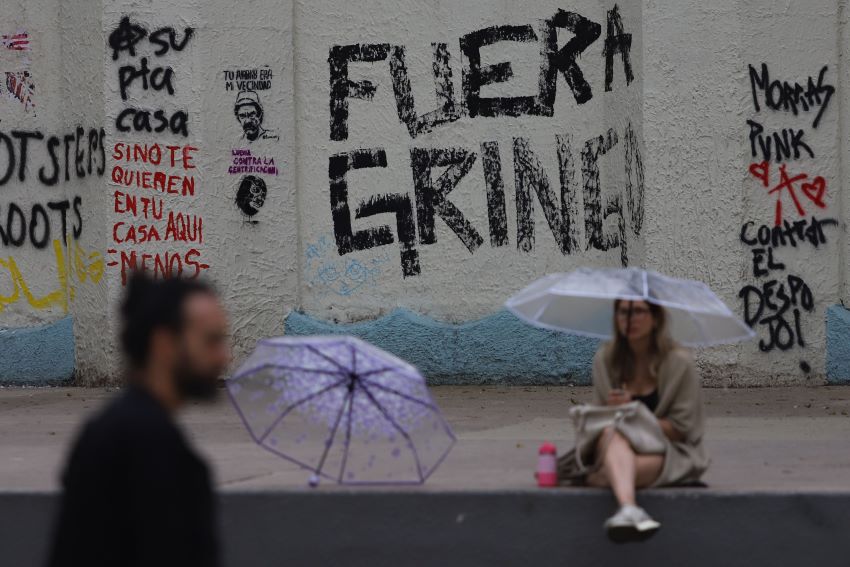
The nearly 3,000-kilometer border separating the United States and Mexico has been a subject of contention and change throughout its centuries-long history, yet one constant has been the crossing of individuals across it. While Mexican workers have traditionally migrated north to the United States, the narrative of the border is not unidirectional. Both nations have long been home to immigrant populations from their neighbors. This report delves into the most significant immigrant group in Mexico City: U.S. citizens.
Immigration from the United States to Mexico has a history dating back centuries, generally met with acceptance. Beyond recent gentrification concerns, there is evidence of ancient human movement along the now-border region, with indigenous groups migrating in response to animal herds and seasonal changes. Theories even suggest that the Mexica, who believed themselves to have originated from the mythical Aztlán, may have come from a region in present-day Southwestern United States or Northeastern Mexico.
As Spain claimed northern Mexico and the western territories during the colonial period, traders, smugglers, merchants, and military deserters crossed into the borderlands of the Spanish colony from the British colony.
Upon Mexico's independence from Spain, the new republic encouraged U.S. settlers to move to present-day Texas through the empresario program, designed to attract settlers to serve as a buffer between the U.S. and Mexico, as well as to counter raids by native tribes. Settlers were offered large tracts of land in exchange for becoming Mexican citizens and professing Catholicism, the official state religion.
By the 1830s, around 7,000 settlers, many of whom were landowners from the Southern United States with their enslaved Black people, had established themselves in the area. Mexican officials grew increasingly concerned as most immigrants refused to assimilate, continuing to consider themselves U.S. citizens. The Mexican government responded with strict immigration laws, anti-slavery measures, and other attempts to exert control, resulting in approximately 30,000 Anglo-Americans, Tejanos, and European immigrants residing in the region at the time.
During Porfirio Díaz's presidency (1876-1910), Mexico actively sought U.S. investment, attracting oil barons, mining companies, railroad builders, farmers, and engineers. Though most did not become permanent citizens, these arrivals contributed to the growth of long-term resident communities in Sonora, Chihuahua, Coahuila, Mexico City, and the Gulf Coast oil regions.
By this period, Americans had become Mexico's largest immigrant group, numbering between 15,000 and 20,000. Post-revolutionary years saw an influx of immigrants from the north, drawn to Mexico City's welcoming atmosphere, artistic freedom, thriving social and political movements, and refuge from the conflicts in Europe during World War II.
Written by urgent.news from Mexico News Daily's reporting — not their text. Machine-written — may contain errors; check the original before relying on it.