How to Best Watch the Perseid Meteor Shower
If you’ve ever wanted a chance to see “shooting stars” streaking across the sky, you’re in luck: one of the best meteor showers of the year is happening right now.
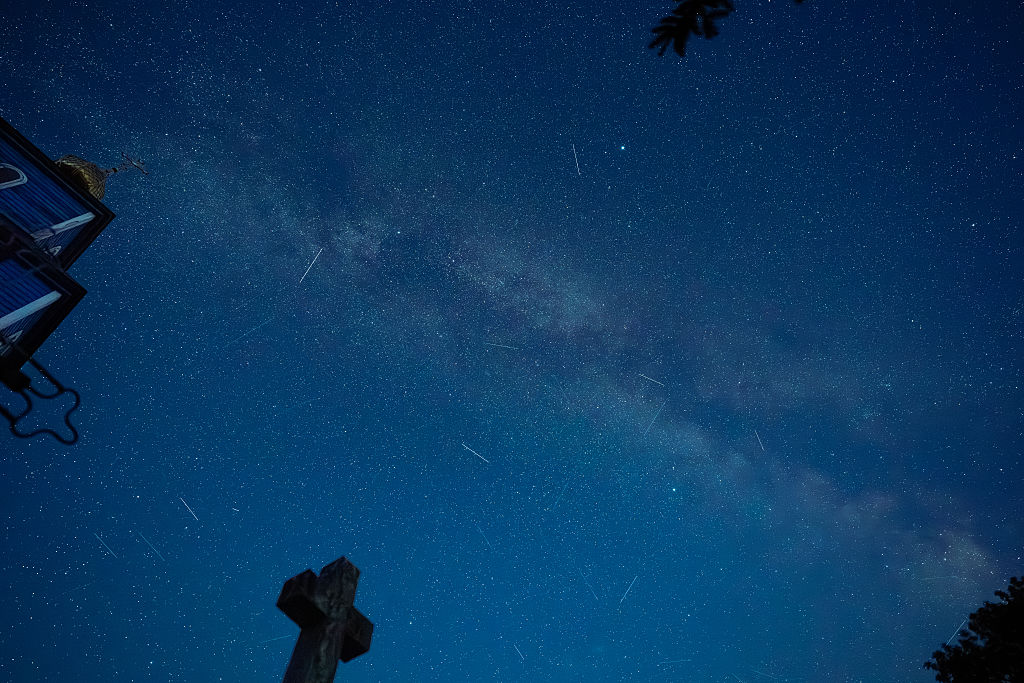
The Perseid meteor shower, a highly anticipated celestial event, is currently underway. These meteors, often referred to as "shooting stars" or "falling stars," are caused by space debris burning up as it enters Earth's atmosphere, resulting in streaks of light. Meteor showers occur when Earth's orbit intersects with the debris trails left by comets and asteroids, allowing for a higher number of meteors to be seen in a short period.
The Perseid meteor shower specifically occurs annually, usually starting in mid-July and continuing until late August, as our planet passes through debris from the Swift-Tuttle comet. During this shower, up to 100 meteors per hour can be observed under optimal conditions, according to astronomers. NASA describes the Perseids as "swift and bright," frequently leaving long trails of light and color behind as they streak through the Earth's atmosphere.
The best time to witness the Perseid meteor shower is when it reaches its peak activity, predicted to be the night of August 12 into August 13. This is due to the New Moon occurring on August 12, resulting in a dark sky which is perfect for spotting meteors. To enhance the viewing experience, one should venture to an outdoor location away from city lights with an unobstructed view of the sky.
It's recommended to wait for about 30 minutes for the eyes to adjust to the darkness. The ideal direction to look is northeast, where the constellation Perseus can be seen as the meteors seem to originate from this constellation. However, it's not necessary to focus solely on the constellation; the meteors can appear anywhere in the sky, so it's beneficial to scan the entire expanse of the sky.
Written by urgent.news from Time's reporting — not their text. Machine-written — may contain errors; check the original before relying on it.