How Eye Black Became ‘War Paint’ on the Field
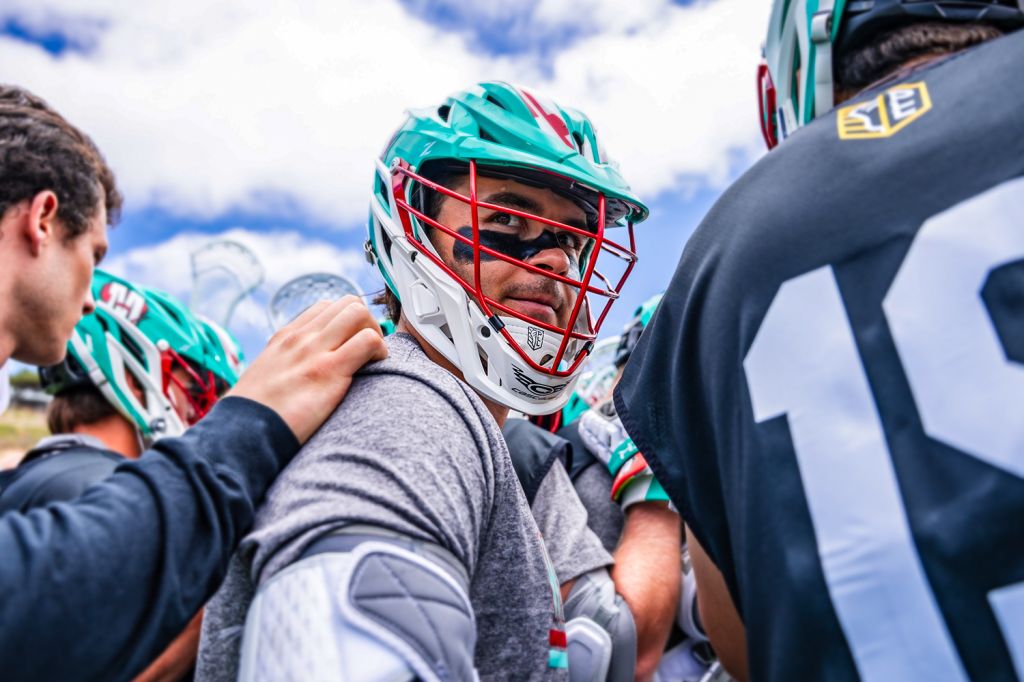
In Fairfield, Connecticut, the Maryland Whipsnakes prepared to face the California Redwoods in a Premier Lacrosse League matchup. Star rookie Joey Spallina, known for his distinctive eye black routine, smeared his face with a thick, cheek triangle design across his nose bridge. This ritual originated from Syracuse lacrosse star Mike Powell in the 2000s, who incorporated it into his own style after witnessing Spallina's success in a high school game.
Eye black, once a rarely used utility product, has now become a full-on field staple and ritual across major leagues like MLB and the NFL, as well as smaller leagues like the PLL. Baseball legend Babe Ruth is credited with popularizing the concept in the 1930s, using soot from burned corks as eye black. Modern eye black is primarily made of different waxes, including beeswax and paraffin, combined with dye.
Its intended purpose is to reduce glare under bright conditions, but the product's efficacy is still debated. Despite this, athletes continue to wear eye black as part of their style and superstitions, often developing recognizable looks to express themselves. The spread of eye black has been facilitated by the loosening of uniform regulations in various sports.
Franklin Sports, a sporting-gear company, has been producing eye black for 30 years and has sold "millions" of sticks, with sales increasing. The company has introduced new formulations and even color options, such as shocking blue, neon pink, and glitter, catering to a wider range of athletes, including women. Eye black has also gained popularity in youth sports, with young players looking to their idols for inspiration and even capitalizing on their signature styles.
As the product evolves, it continues to play a significant role in athletes' individual identities and on-field presence.
Written by urgent.news from Front Office Sports's reporting — not their text. Machine-written — may contain errors; check the original before relying on it.