How drought threatens electricity supplies in Europe
Droughts, heat and falling water levels in the Danube are hitting central and southeastern Europe hard. Hungary and Romania are experiencing an energy crisis — whereas countries like Bulgaria are better prepared.
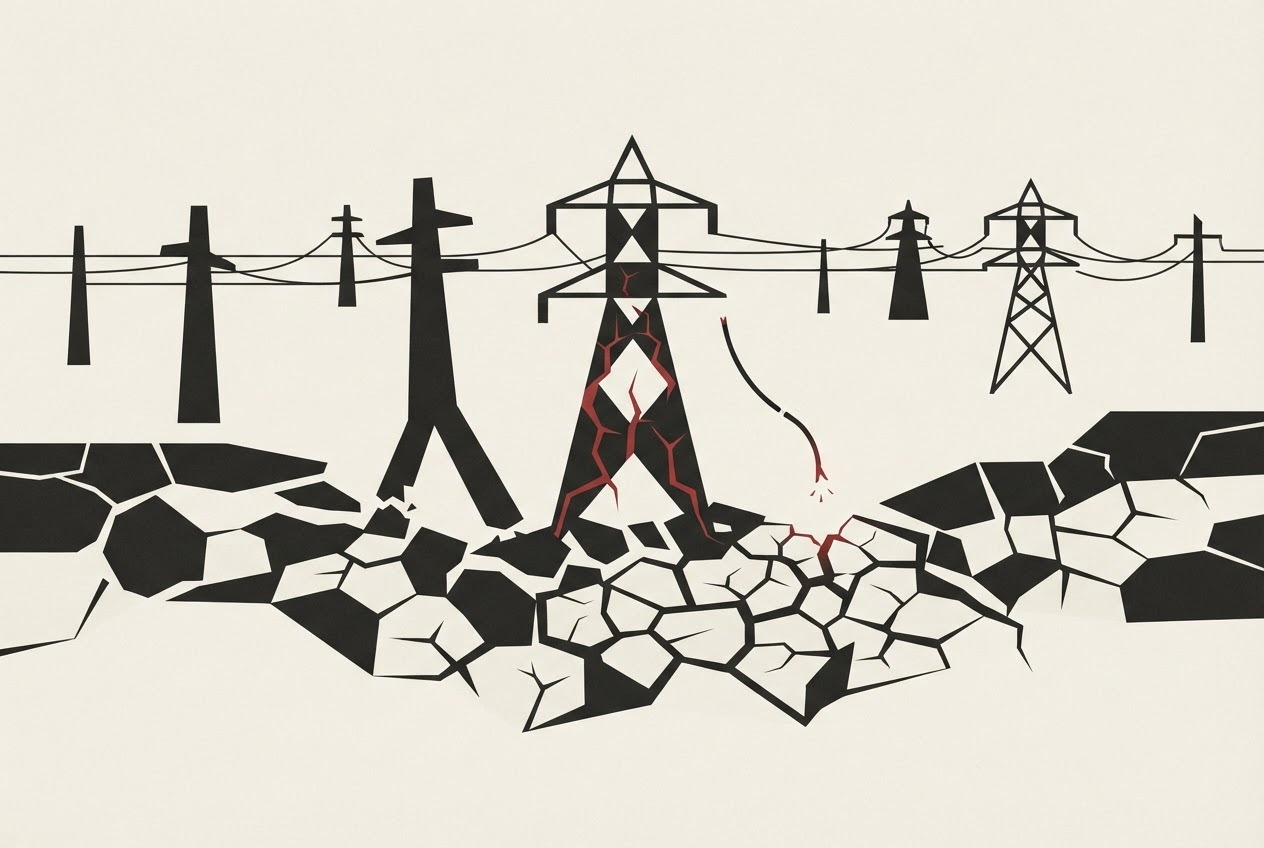
Severe drought and intense heatwaves have gripped Central and Southeastern Europe, causing widespread damage to the region's economy and infrastructure. The agriculture sector has suffered significantly, with harvests for maize and sunflower crops expected to be below average. The drought has also disrupted transportation, particularly road, rail, and shipping.
Hungary and Romania are the most severely impacted, with Hungary facing the worst energy crisis in decades. Paks nuclear power plant, which generates around 50% of Hungary's electricity, has been forced to drastically reduce output due to insufficient cooling water and high Danube water temperatures. The plant may need to shut down completely if water levels continue to drop.
Despite having solar energy capacity, Hungary lacks storage facilities, modern gas-fired power plants, and significant wind or hydropower capacity, making it difficult to quickly resume operations even if the Danube levels rise.
Romania is also experiencing a severe energy crisis, with the Cernavoda nuclear power plant, providing about one-fifth of the country's electricity, partially offline due to the low Danube water level. Romania's energy mix, primarily hydropower and nuclear, makes it particularly vulnerable to droughts. The government may need to issue a decree ordering factories to suspend production if necessary.
Serbia is also grappling with drought and low Danube water levels, with coal-fired power plants and hydropower plants generating only a fraction of their usual output. However, its energy crisis has not yet forced large industrial plants to scale back production. Slovakia's energy mix, with nuclear power generating 60% of electricity and hydropower 20%, is less vulnerable to drought. Its nuclear plants use cooling towers instead of once-through cooling, reducing their dependency on the Danube's water level.
Written by urgent.news from DW News's reporting — not their text. Machine-written — may contain errors; check the original before relying on it.