Gratitude makes people more helpful, but it doesn’t overcome the bystander effect
A new study published in Cognition and Emotion indicates that while gratitude boosts your overall willingness to help someone in need, it doesn't overcome the bystander effect. Even grateful people hesitate when a crowd is present.
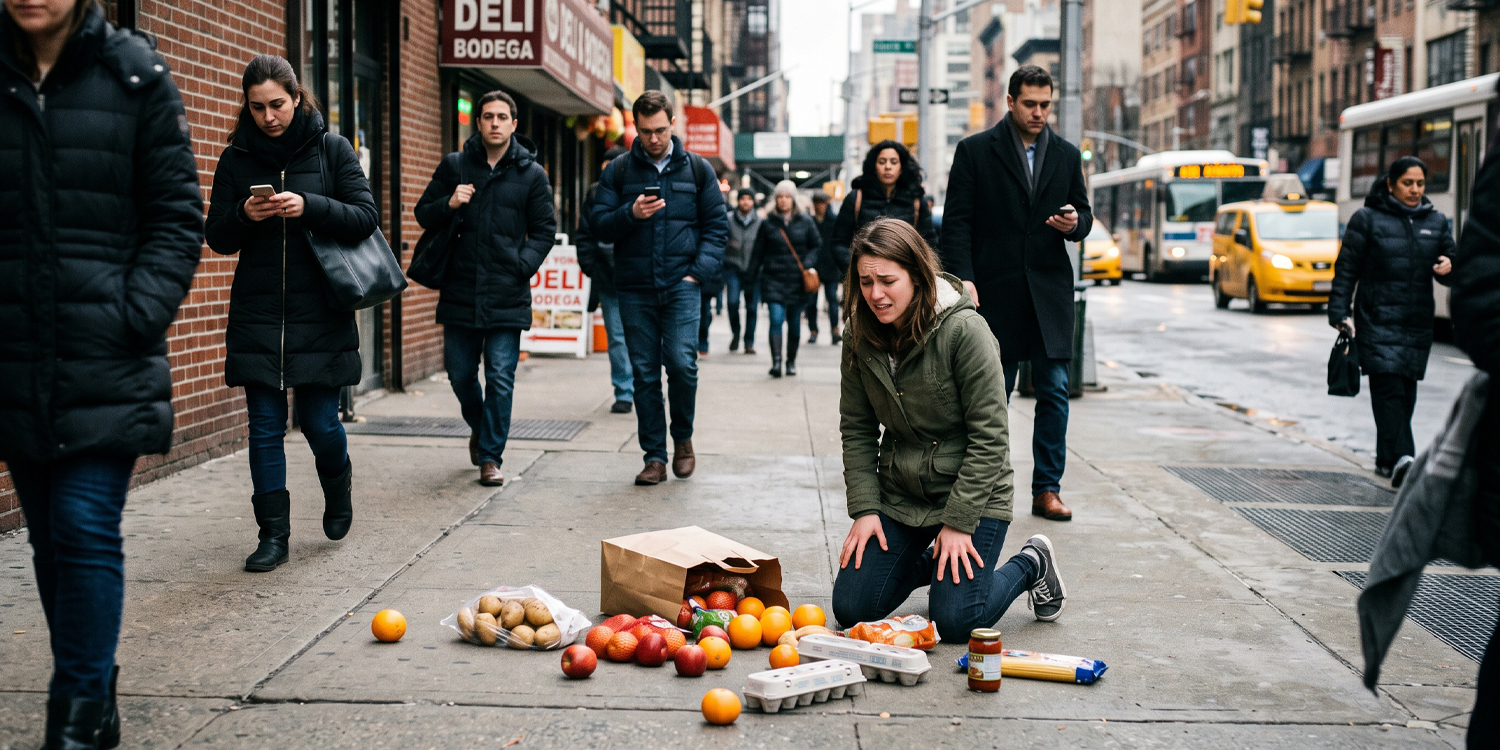
A recent study published in Cognition and Emotion suggests that feeling grateful can make people more inclined to help others. However, gratitude does not protect individuals from the bystander effect, a psychological phenomenon where people are less likely to help when surrounded by others. The researchers aimed to explore whether gratitude could overcome the hesitation often seen in group settings.
The study involved 867 participants who were randomly assigned to one of three emotional states: gratitude, calm, or neutral. Participants were then asked to make decisions about resource allocation, with the task designed to test how group size influenced their helping behavior. The findings showed that as the number of potential helpers increased, participants were less likely to give away their points, regardless of their emotional state.
While gratitude did boost overall helpfulness, it did not change the tendency to hold back when responsibility seemed to be shared among a group. The study indicates that emotional motivation and cognitive evaluation may operate independently, with gratitude increasing motivation to help while the bystander effect still influences decision-making in group settings.
Written by urgent.news from PsyPost's reporting — not their text. Machine-written — may contain errors; check the original before relying on it.