G.P.S. and the Lost Art of Getting Lost
A new book, “Little Blue Dot,” by Katherine Dunn, raises questions about the unintended consequences of knowing where we are.
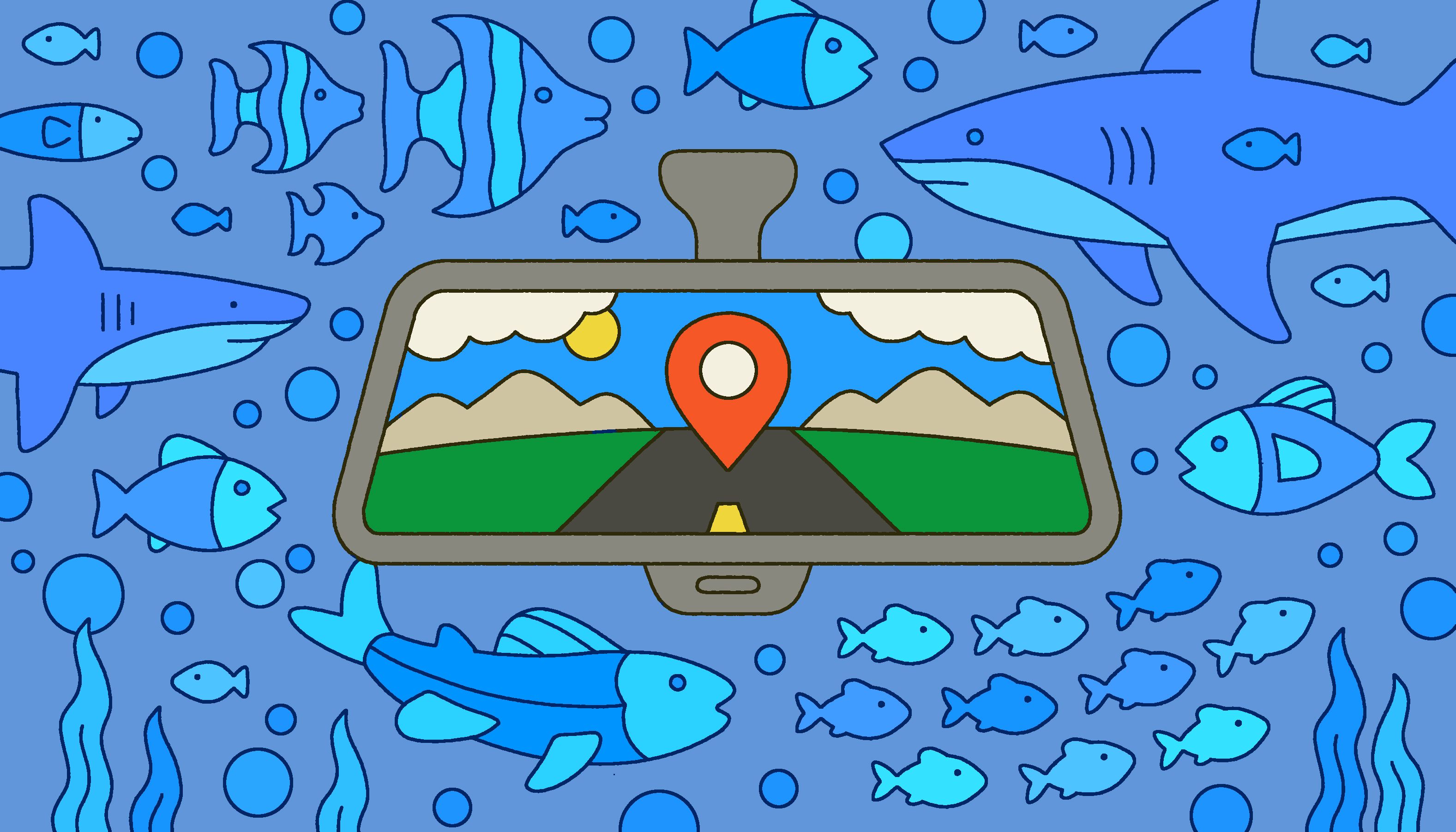
G.P.S., or Global Positioning System, has become an integral part of modern life, providing reliable directions and making navigation effortless. However, its widespread use has raised concerns about the diminishing skills of finding one's way in the physical world.
Maidenbaum, a researcher who often uses G.P.S. in virtual reality experiments, experienced the limitations of relying solely on technology. He had to navigate by following train tracks from his friend's old address to his correct destination, highlighting the shift in our relationship with physical spaces.
G.P.S. technology was initially developed by the U.S. Department of Defense in the 1970s for military use. It became available to civilians in 2000, rapidly proliferating with over a billion receivers worldwide. While most G.P.S. users are civilians, its impact extends beyond military applications, influencing daily life in ways that resemble "bazookas to order delivery."
The reliance on G.P.S. has led to a shift from cognitive mapping, a strategy that involves using landmarks and spatial understanding to navigate, to stimulus-response navigation, which relies on programmed instructions. Cognitive mapping is supported by specific brain cells called place cells, located in the hippocampus, which represent precise locations.
Psychologists argue that while G.P.S. is a convenient tool, its overuse can result in a loss of essential navigational skills. Studies have shown that people who use G.P.S. assistance while walking tend to have poorer spatial memory and struggle with understanding their direction. The reliance on G.P.S. also poses potential risks, such as trucks getting stuck in narrow roads or people driving onto light-rail tracks, demonstrating the vulnerability of depending on digital directions.
Written by urgent.news from The New Yorker's reporting — not their text. Machine-written — may contain errors; check the original before relying on it.