From Seconds of Visual Impact to Minutes of Storytelling: AI Video Is Moving Toward Narrative Depth
As AI video generation moves from short, fast-paced imagery toward more developed storytelling, creators increasingly need tools that can support multi-scene narratives, consistent characters, and structured workflows. Tools such as CapCut Video Studio Director Mode are being developed to help creators manage these elements within a shared creative environment. These tools are not a replacement…
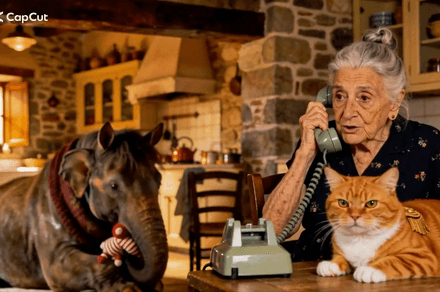
As AI video generation transitions from brief, dynamic imagery to more intricate storytelling, creators need tools that facilitate multi-scene narratives, consistent characters, and streamlined workflows. Such tools as CapCut Video Studio Director Mode are emerging to aid creators in managing these elements within a collaborative platform.
These tools do not replace creativity; rather, they streamline parts of the filmmaking process while ensuring character recognition, location continuity, and AI-generated video maintains visual impact. While brief, attention-grabbing clips remain vital, extended video content allows for deeper exploration of stories and characters.
However, longer-form video production introduces additional complexity. A single impactful shot does not constitute a full story. Alterations in appearance, environment, and plot progression necessitate superior coordination. Thus, long-form AI video transcends image quality and generation speed. It demands tools capable of supporting creative control and continuity across a longer sequence.
The emphasis in AI video is shifting toward developing plots, scene continuity, character consistency, pacing, and visual language. While early AI video generation showcased the creation of cinematic imagery, animation, and imaginative visuals from textual prompts, longer videos present a distinct challenge. The challenge lies not in generating a single impressive image but in supporting a complete story across multiple scenes, while managing character, location, and plot changes.
This shift is evident across the creative industry. Lionsgate has partnered with AI research firm Runway, employing its technology in previsualization, storyboarding, and final-frame production. This collaboration demonstrates how generative AI is increasingly integrated into established filmmaking processes. Adobe's 2026 Creators’ Toolkit Report revealed that 75% of creators believe creative AI should be integrated into or essential to their work, while 85% assert that the final creative decision should remain with the creator.
Therefore, creators seek tools that enhance creativity rather than automate tasks. The production of long-video remains technically challenging. Many current systems generate seconds-long clips, whereas longer sequences struggle to maintain consistent characters, scene layouts, motion, and semantic alignment. As noted in the ACM Computing Surveys paper “Video Is Worth a Thousand Images: Exploring the Latest Trends in Long Video Generation,” the challenge extends beyond generating superior clips; creators require reliable control over connected scenes.
Structured AI video workflows are thus becoming increasingly important. The first wave of AI video focused on generating impressive individual shots, but the next phase involves helping creators manage the elements that make those shots part of a cohesive story. CapCut Video Studio Director Mode is designed to facilitate the transition from short clips to longer-form video creation.
It enables creators to manage characters, scenes, props, scripts, and visual direction within a unified workspace. Instead of producing unrelated clips, creators can generate multiple shots around the same narrative concept. A structured environment helps maintain recognizable characters, coherent storylines, and organized creative assets for reuse.
Enhanced continuity in AI filmmaking benefits viewers by fostering character connection and streamlining story development. Structured management tools also allow creators to produce more comprehensive and expressive AI-generated videos. For creators, the next step in AI video is not merely faster generation or superior visual quality.
It is regaining control over the same character, refining scenes, adjusting visual direction, and continuing a story without starting anew each time. As AI video advances, the creative advantage may stem less from single surprising outcomes and more from managing a story with consistency, structure, and intent. Tools like Director Mode symbolize this direction: AI video as a workflow for directing connected stories rather than generating isolated clips.
Creators interested in moving beyond individual AI-generated clips can explore CapCut Video Studio Director Mode and its capabilities for managing connected, longer-form storytelling.
Written by urgent.news from Digital Trends's reporting — not their text. Machine-written — may contain errors; check the original before relying on it.