From Hiroshima to dystopia: Why it’s essential to keep imagining the end of the world
Eight decades have passed since the world witnessed the destruction caused by atomic bombs in Hiroshima and Nagasaki. The survivors bore the brunt of this devastation, and the physical and emotional scars they endured were often more painful than death itself. The world has not changed much since, as every generation continues to remember the possibility of nuclear bombs and the dangers of totalitarianism.
Despite the passage of time, the threats of nuclear bombs and fascism remain alive. The world may not seem as dark as it does today, but every generation believes this, and generations to come will face the same fear. This reality is what drives storytellers to imagine the consequences of nuclear war and totalitarian regimes.
Some writers create works that recreate the unimaginable reality of Hiroshima and Nagasaki to honor the victims and capture the physical horror of atomic warfare. Others explore what the world would have looked like if the Axis powers had won World War II, using alternate history to show how quickly authoritarianism can emerge when armed with ultimate force.
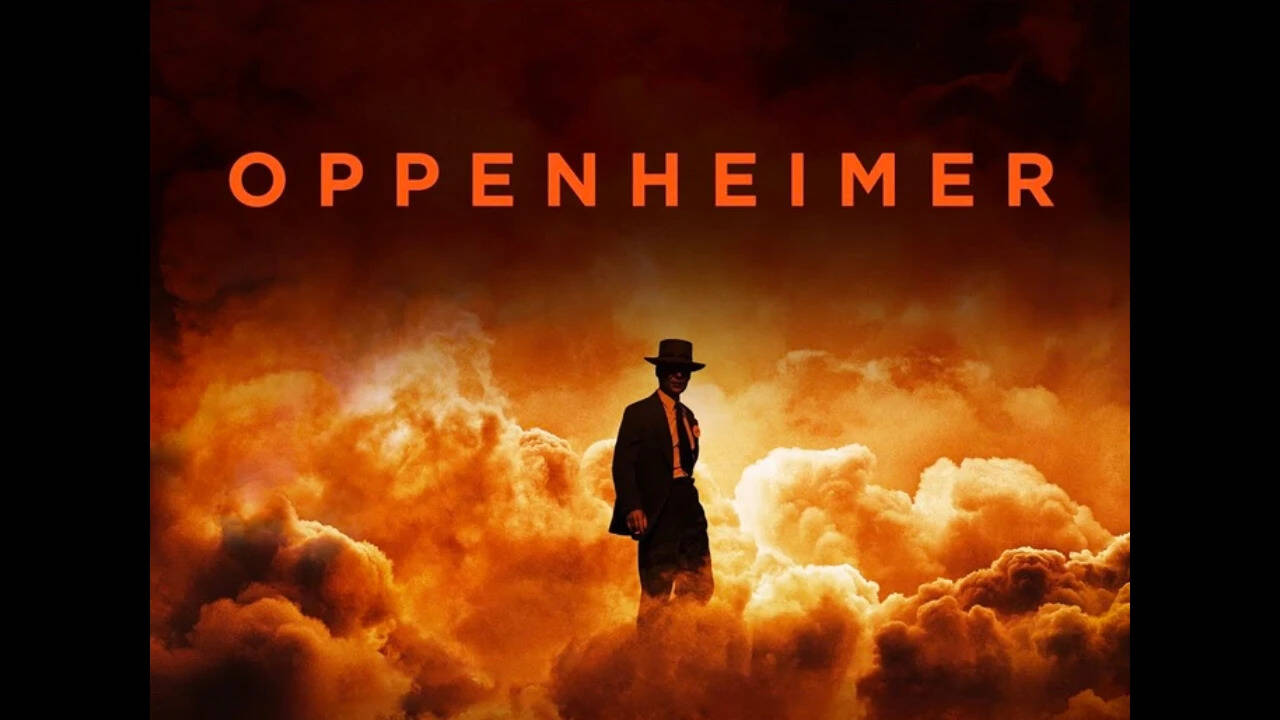
These stories serve a crucial purpose—ensuring that humanity never becomes comfortable enough to forget the consequences of authoritarianism, militarism, and technological destruction converging. From John Hersey's Hiroshima to Christopher Nolan's Oppenheimer, these narratives remind us that catastrophe and tyranny are never as far away as we think.
Written by urgent.news from Times of India's reporting — not their text. Machine-written — may contain errors; check the original before relying on it.