Consequences for the economy: Low water level on the Rhine: IW economist considers situation "dramatic"
Rising prices threaten: Why the low water level on the Rhine, according to an expert, affects not only companies like BASF, but also gas stations and consumers along the river.
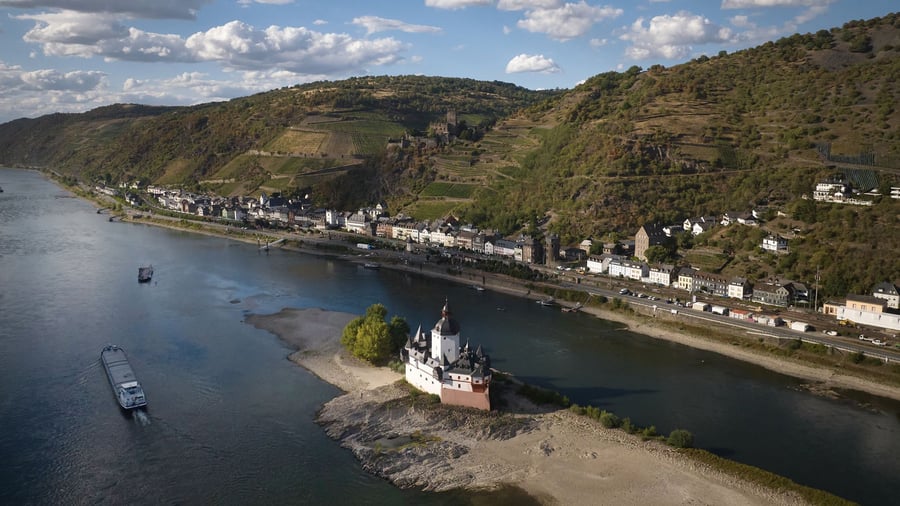
Bundesverkehrsminister Steffen Bilger has announced several short-term measures following a low-water specialist conference in Bonn, aiming to help the economy maintain supply chains on key waterways such as the Rhine, Danube, and Elbe. Despite not being able to influence the weather, Bilger assured that the economy can be better supported through these challenging weeks.
He proposed discussions with the states over exceptions to the no-truck traffic rule for weekends and holidays for especially affected goods, as well as faster approval of heavy transports that need to be redirected to the road. Bilger confirmed that he has already spoken with the states and received a strong willingness to cooperate.
The federal road operator has instructed its company to avoid causing delays due to avoidable construction sites, which will help maintain traffic flow. DB Cargo, the freight transport company, has pledged to support the affected industry by bringing more goods onto the rail network. Bilger explained that the company will work together with other industry businesses to organize additional capacity across Europe and also coordinate possible stockpiling concepts with energy providers.
The extreme low water level poses a concrete challenge for the economy and our supply system, Bilger noted after the meeting.
Written by urgent.news from Handelsblatt's reporting — not their text. Machine-written — may contain errors; check the original before relying on it.
This story
This is one outlet's version. Read the fullest account.