Fence of distrust
If policy implementation is too divisive or too drastic, President Prabowo Subianto may find that the fence of distrust grows even higher among the public, even as the physical ones come down.
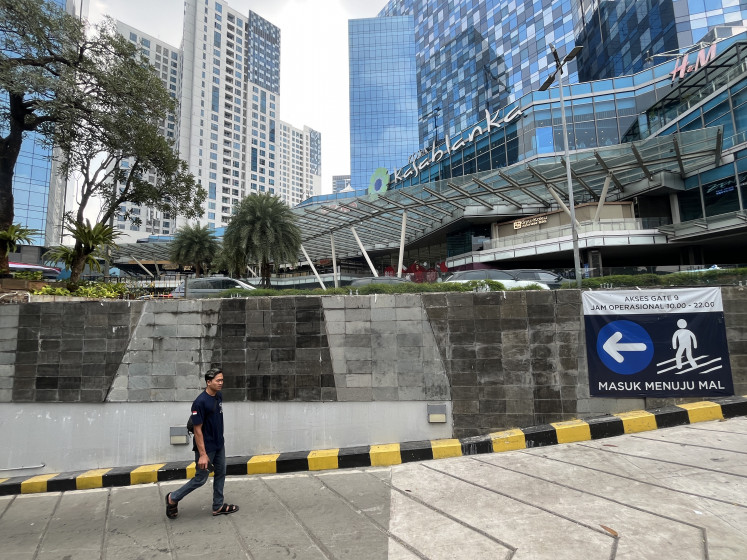
The fence of distrust has grown higher among the Indonesian public, even as physical barriers come down. President Prabowo Subianto may find it challenging to implement policies without facing significant public opposition. The annual Independence Day celebration, usually a ceremonial occasion, takes on a more somber tone this year. Memories of the 1998 riots that swept through the capital and the rest of the country following the fall of President Soeharto remain fresh in people's minds.
Last year's August unrest, the largest nationwide riots in Indonesia since 1998, has left a lasting impact on the public's perception of political stability. Protests over lawmakers' generous allowances and concerns about the government's fiscal priorities culminated in violent clashes in Jakarta and other cities, resulting in at least 10 deaths and thousands of arrests. The economic losses from damaged infrastructure in Jakarta alone amounted to Rp 55 billion (US$3.05 million).
In response to the threat of large-scale protests this year, shopping malls and office buildings across Greater Jakarta and Surabaya have erected high perimeter fences. The fear of unrest is fueled by rumors circulating on social media, often accompanied by photos and videos reminiscent of last year's unrest. A study by Monash University Indonesia found that 99 percent of these posts were reposts, indicating coordinated efforts among several accounts.
Despite the relative stability of Indonesia's politics and economic conditions, fear and anxiety continue to simmer among the populace. The upcoming Independence Day celebration, which traditionally includes the president's State of the Nation Address and the state budget plan, is expected to be particularly tense this year. The public remains wary of the potential for another wave of unrest, a fear that has become deeply entrenched due to the traumatic events of 1998.
Written by urgent.news from The Jakarta Post Academia's reporting — not their text. Machine-written — may contain errors; check the original before relying on it.