FCC votes to lift broadcast ownership cap
The FCC on Thursday voted 2-1 to eliminate the national TV ownership cap rule that bars a single broadcaster from owning stations that reach more than 39% of U.S. TV households. Why it matters : The party-line vote clears the way for local broadcasters to merge, giving single broadcast ownership groups far more reach than they previously could have. FCC chairman Brendan Carr has long argued that…
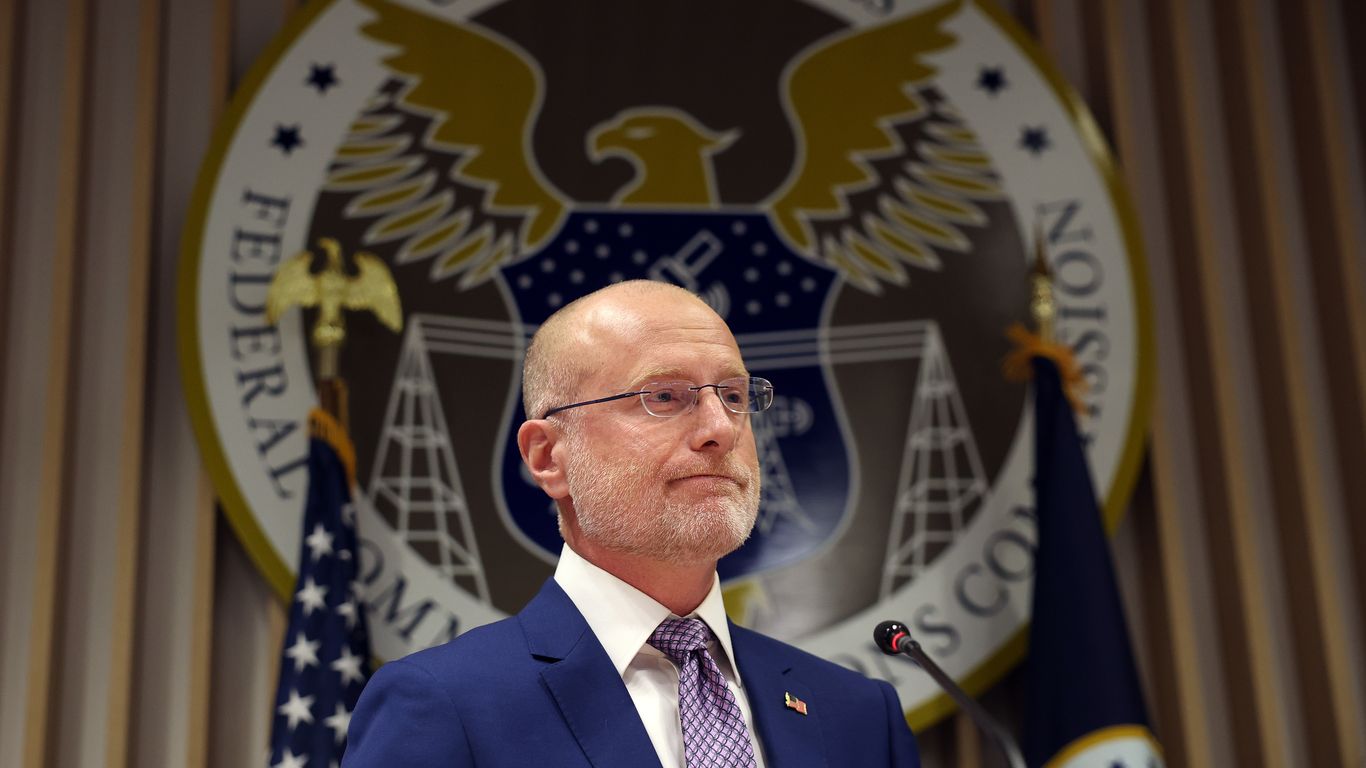
The Federal Communications Commission (FCC) recently voted 2-1 to abolish the national television ownership cap, which previously restricted a single broadcaster from owning stations that reach more than 39% of U.S. television households. This decision is set to enable local broadcasters to merge, thus granting single ownership groups greater reach than previously possible.
FCC Chairman Brendan Carr has consistently argued that the cap is outdated and inhibits the ability of broadcasters to compete with tech companies and streaming services by consolidating. The FCC stated that individual deals will be assessed on a case-by-case basis, provided they meet the agency's public interest standard. This move is expected to empower the FCC to approve deals that benefit the public while also allowing it to reject any that do not meet that standard.
Nexstar, for instance, stands to benefit from the raised cap. Its $6.2 billion acquisition of Tegna is currently on hold due to an antitrust lawsuit filed by DirecTV and several state attorneys general. Despite the FCC's vote, the lawsuit remains unresolved and addresses issues beyond the ownership cap. DirecTV contends that the deal would grant Nexstar pricing leverage over pay-TV distributors, which could ultimately be passed onto consumers.
The FCC's authority to lift the cap is a subject of ongoing debate. Commissioner Anna Gomez, the sole Democrat on the commission, voted against the move, asserting that Congress took away the FCC's authority to adjust the ownership cap after it was established in 2004. The Biden administration opposed the cap lift, and the FCC previously halted Tegna's $5.4 billion merger with Standard General in 2023.
The vote is likely to face legal challenges from consumer advocacy groups, with Free Press, a media advocacy nonprofit, planning to appeal the decision.
Written by urgent.news from Axios's reporting — not their text. Machine-written — may contain errors; check the original before relying on it.