Does Beijing really have the power to lift up the Australian dollar?
While global markets watched closely for a joint move by Washington and Tokyo to prop up the Japanese yen this week, Australian dollar traders have been laser-focused on the actions of another power: China. Some analysts view the Australian currency as particularly sensitive to policy moves in Beijing. If China intervenes to boost domestic growth, that could also lift the Australian dollar, the…
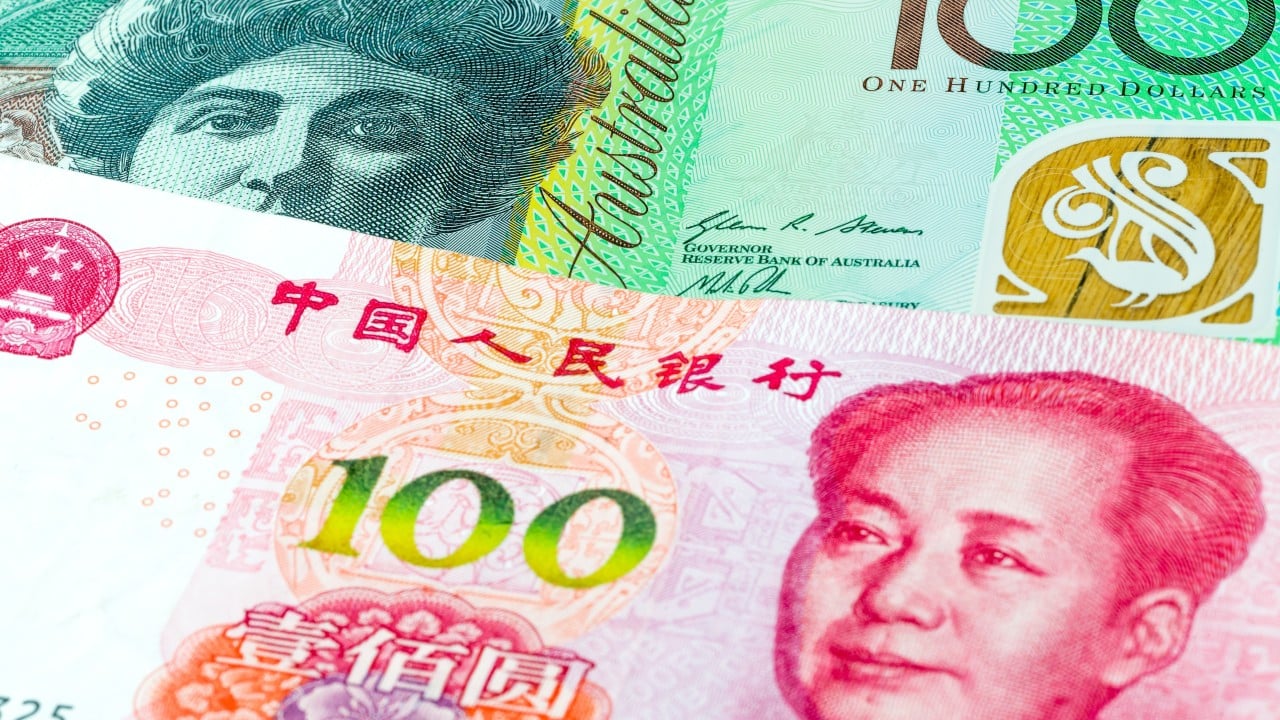
Recent reports suggest that China's actions may have a limited impact on the Australian dollar, despite some analysts' perceptions. Goldman Sachs notes that the Australian currency's sensitivity to China is more selective than commonly assumed, mainly influenced by Chinese demand for commodities such as iron ore and liquefied natural gas, according to Lexi Kanter, a Goldman Sachs analyst.
While Australia appears among the most China-sensitive G10 currencies, the link is primarily driven by shared reactions to movements in the US dollar rather than a direct response to China's policies, Kanter said. The commodities channel, which includes China's heavy imports of Australian iron ore and liquefied natural gas, is the most significant mechanism connecting the two economies.
However, copper, a broader barometer of global cyclical momentum and China growth, may have a more substantial effect on the Australian dollar than iron ore. Should China introduce policies aimed at stimulating its economic growth, the impact on the Australian dollar would depend on the nature of these policies. Recent policy shifts away from investment-driven growth to a tech-fuelled one could limit the potential boost to the Australian dollar, as construction and investment-driven growth typically generate larger spillovers.
Goldman Sachs also highlighted that Beijing refrained from announcing a broad stimulus during a recent Politburo meeting, despite a slowdown in China's second-quarter growth. The country's 2026 policy agenda aims to expand AI-related industries, but persistent weaknesses in property, infrastructure, and broader domestic demand in China would likely limit the Australian dollar's boost.
Economic data from Australia, energy prices, and global risk sentiment will likely continue to be more significant drivers of the currency in the coming months.
Written by urgent.news from South China Morning Post's reporting — not their text. Machine-written — may contain errors; check the original before relying on it.