Do leftovers taste better the next day? Sometimes, according to science
The widespread belief that some foods benefit from a night in the fridge has been put to the test, and it seems to be true for some curries, but not lasagne
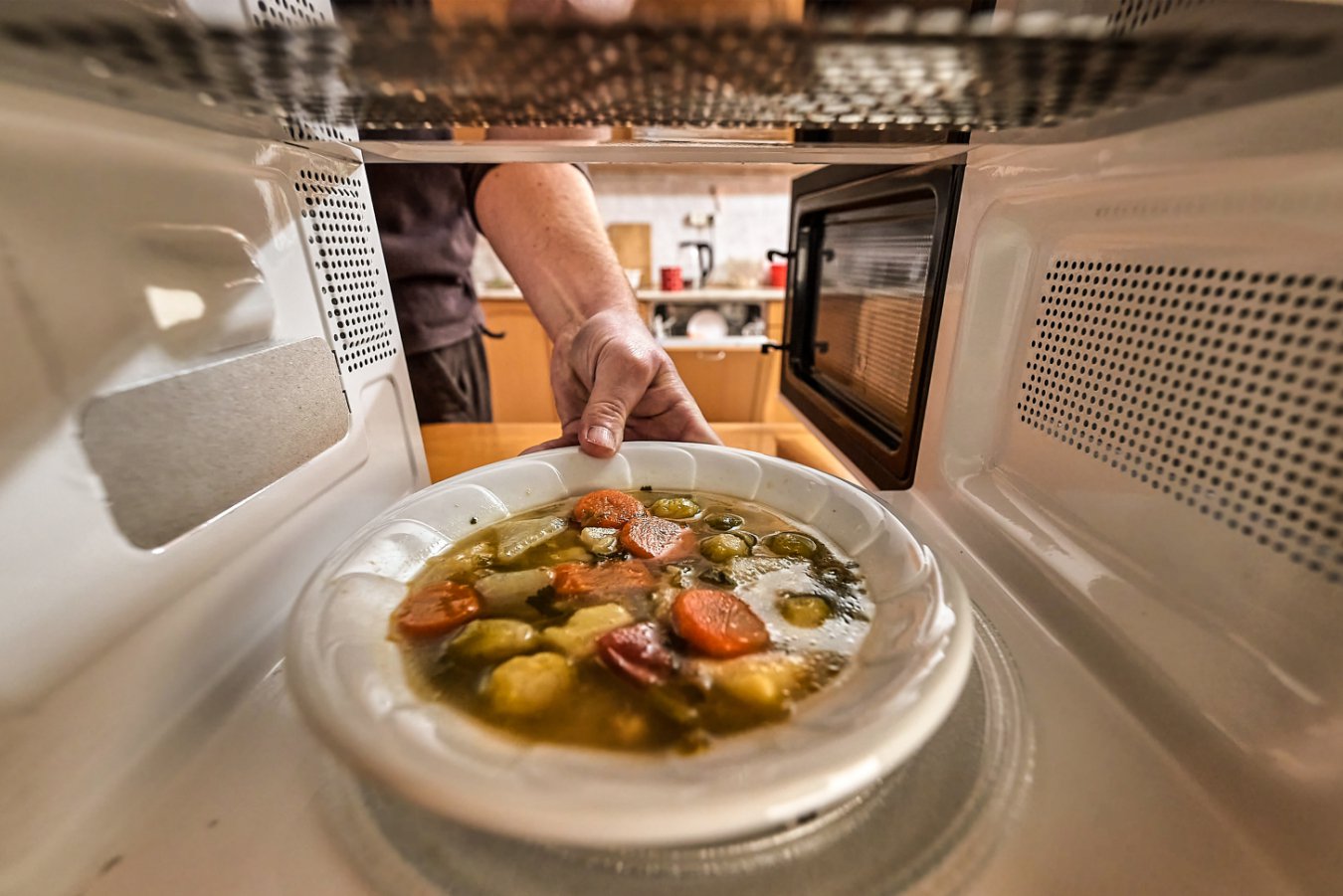
The popular notion that leftovers taste better the following day has been investigated by researchers, with mixed results. Russell Keast, a food and sensory scientist at Deakin University in Melbourne, Australia, recalls that this is one of the kitchen myths he had heard and experienced personally. To test the concept, Keast and his team conducted a small survey and a blind taste test with 65 volunteers.
Participants were asked to choose four foods they believed tasted better the next day from a list of 25. The four dishes selected – beef lasagne, butter chicken, dhal, and apple crumble – were then tested in a laboratory with controlled storage, reheating, and randomised codes. The volunteers were asked if they could distinguish between freshly cooked and day-old food, and if they preferred the day-old versions.
Dhal emerged as the most changed after refrigeration, with over 80% of respondents able to detect a difference in taste. Butter chicken and apple crumble were also distinguishable, while lasagne did not show significant changes. When it came to preference, 64% of volunteers favoured day-old butter chicken, but for the other three dishes, preferences were nearly evenly split.
Interestingly, none of the day-old foods were universally disliked; the differences in taste were not overwhelmingly negative. Keast suggests that expectation may play a significant role in the perceived improvement of leftovers. If a food was enjoyable the previous day, the belief that it should remain good may enhance the next-day experience.
The study does not claim that all foods taste better the next day, but rather that some complex, moist, sauce-based foods can undergo changes in flavor, fats, spices, starches, and proteins, which can be noticed and occasionally preferred. These findings support the idea that "better the next day" is not a universal rule, but rather a phenomenon specific to certain foods.
Written by urgent.news from New Scientist's reporting — not their text. Machine-written — may contain errors; check the original before relying on it.