Disarm by September 30 or face terrorism charges, Iraqi leadership warns Iran-backed militias
Iraq ’s top political leadership has issued its strongest warning yet to Iran-backed armed groups, stating that failure to comply with the September 30 deadline for disarmament will result in terrorism charges. The threat came after a meeting late on Wednesday for the State Administration Coalition, a group of top Shiite, Sunni and Kurdish political parties who form the government. The meeting,…
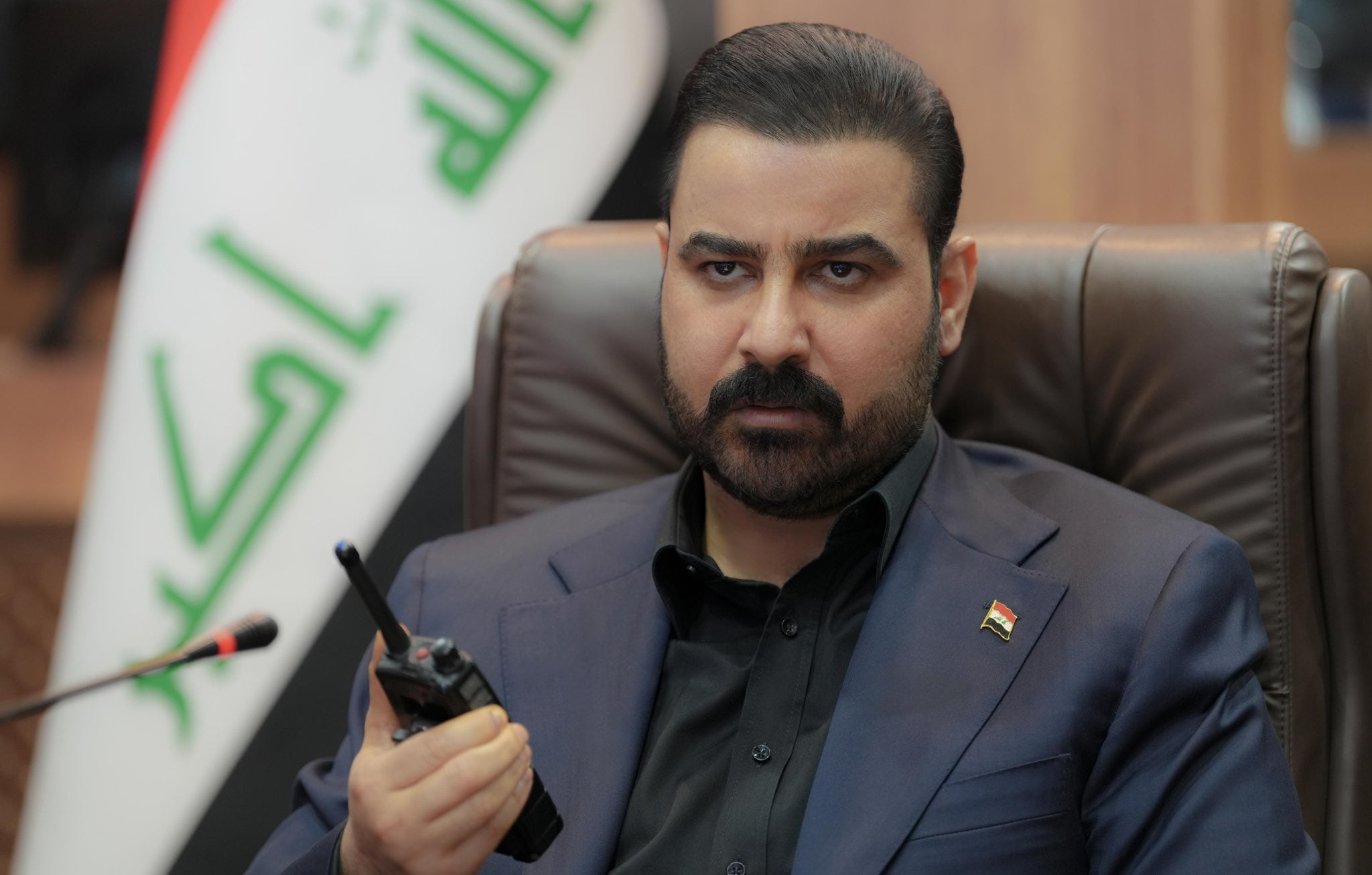
Iraq's top political leadership has issued a stern warning to Iran-backed militias, explicitly stating that non-compliance with the September 30 disarmament deadline will lead to terrorism charges. The warning came during a meeting attended by the State Administration Coalition, comprising Shiite, Sunni, and Kurdish political figures, alongside President Nizar Al-Maliki, Speaker Haibat Al-Halbousi, Chief of the Supreme Judicial Council Faiq Zaidan, and Kurdistan Region President Nechirvan Barzani.
The coalition reiterated their commitment to security and stability, condemning cross-border attacks by pro-Iranian militias as a "red line". The coalition explicitly addressed these armed groups, declaring any involvement in threatening the country's security to be criminal and subject to prosecution under the anti-terrorism law.
The inclusion of Chief Justice Zaidan in the meeting signified an advance in preparing legal tools. The warning was delivered concurrently with condemnation of recent attacks on the Popular Mobilisation Forces by the US and Saudi Arabia, following alleged drone strikes on oil infrastructure in Saudi Arabia. The Iraqi government and militias have denied these incidents and requested evidence from Riyadh.
At least 20 fighters, including five Iranian military advisers, have been killed and dozens injured in the attacks. The coalition's warning highlights the mounting pressure on Baghdad to curb Iran-backed factions responsible for various attacks in Iraq, Syria, Jordan, and several GCC countries. The United States has threatened direct retaliation against Iraq for continued attacks from these groups, and successive Iraqi governments have pledged to keep weapons under state control, but implementation has been delayed by political resistance.
The coalition meeting also addressed Iraq's financial situation, focusing on diversifying oil export routes, boosting non-oil revenues, and combating corruption, all of which have worsened due to salary payment delays. Regionally, the coalition voiced support for de-escalation, dialogue, and rejecting the use of force to settle disputes, emphasizing Iraq's readiness to play a positive role in bringing conflicting parties closer together to preserve regional security.
Written by urgent.news from The National UAE's reporting — not their text. Machine-written — may contain errors; check the original before relying on it.