Design is on its deathbed. Long live design!
At the beginning of the summer, Figma, the popular design platform, hosted a funeral for design. “Come pay your respects,” the company posted on X, inviting visitors to a pop-up on Rivington Street in New York City. Attendees found a site adorned with funereal flower arrangements and received black hats that read “Design Is Dead.” On Instagram, the company posted, “we mourn design—killed,…
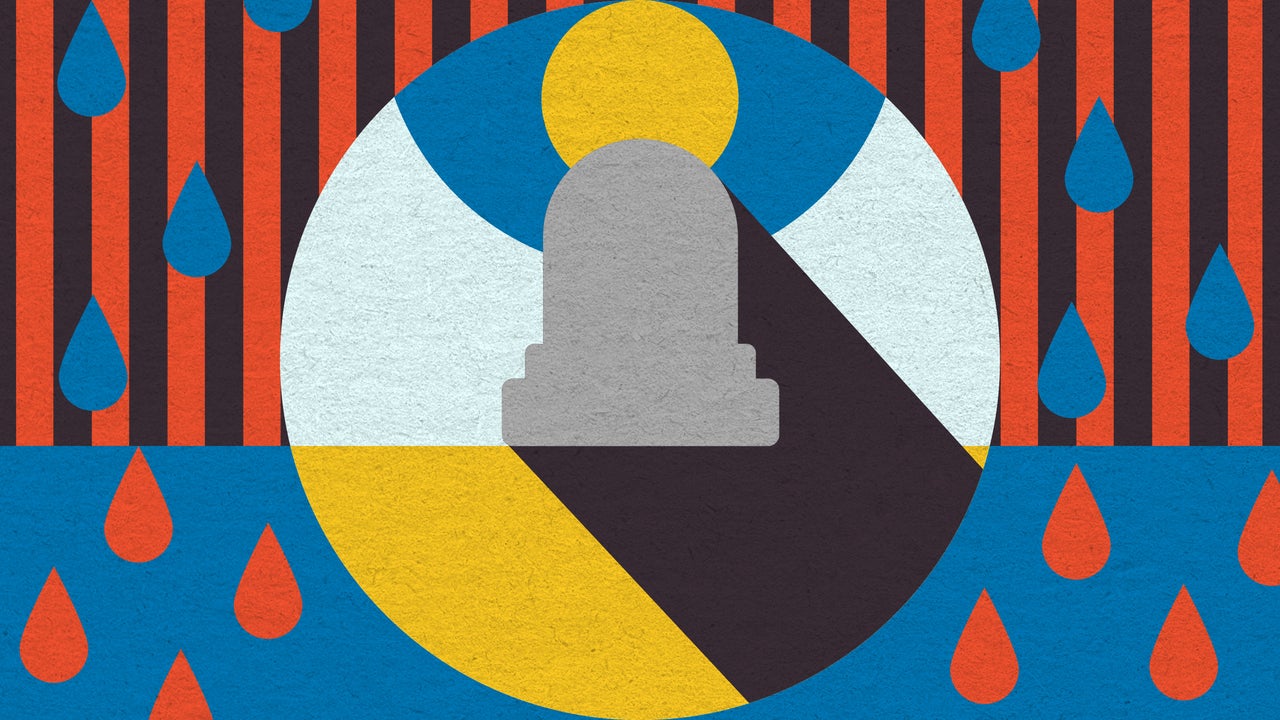
At the start of summer, Figma, a widely-used design platform, held a mock funeral for the profession of design. "Come pay your respects," the company announced on X, inviting visitors to a temporary installation on Rivington Street in New York City. Attendees were shown a site decorated with funeral flowers and given black hats that read "Design Is Dead."
On social media, Figma posted messages mourning design, stating it had been "killed" approximately 847 times in the same year, according to a report from X. This pop-up was part of a larger advertising campaign from Figma, which may have stemmed from Anthropic's new visual design tool, Claude Design, and Claude's departure from Figma's board.
The "Is this the end" narrative has followed Figma since its 2025 initial public offering, despite 48% year-over-year revenue growth, and a roughly 80% drop in stock value from its peak. Design has historically been an insecure profession, and Figma's response tapped into the uncertainty around design's future in the AI era. The unease began in earnest in 2021 with the launch of OpenAI's DALL-E, an image generator that could create realistic images from simple text prompts.
The surge in AI image generators, from Midjourney to Adobe Firefly, has designers feeling like they are steadily moving towards the end of something. However, speaking with design and AI leaders, the future of design does not appear as dire as our doomerist thinking suggests. Throughout their careers, designers have experienced numerous perceived deaths, from the fear of Photoshop's accessibility to the emergence of platforms like Squarespace and Wix, which made web design more accessible, and the threat posed by logo-making services.
The progression of technological advancements over the past three decades, from desktop publishing to Claude Design, has democratized design tools, putting them in the hands of more people. The skills required to produce design no longer need years of study as these tools become faster, cheaper, and easier to use. While AI tools like Claude Design or Figma Make allow anyone to create basic design elements with text prompts, they also enable product managers and engineers to perform more design tasks within corporate design teams.
For designers in the middle, this can feel like they are being squeezed from both ends, but contrary to popular belief, there are more designers working today than ever before. In the U.S. alone, nearly half a million designers were working in graphic design or web and digital interface design in 2024, compared to slightly more than 200,000 in 2004.
Figma's 2026 AI report shows increasing demand for designers despite the proliferation of new tools, suggesting that AI is not killing design, but rather blurring the lines between human and machine-assisted design.
Written by urgent.news from Fast Company's reporting — not their text. Machine-written — may contain errors; check the original before relying on it.