Crypto wrench attacks steal more than $30M so far in 2026: Chainalysis
While only 12 of 46 documented attempts resulted in payment, data leaks and attacks on relatives are widening the physical risks facing crypto holders.
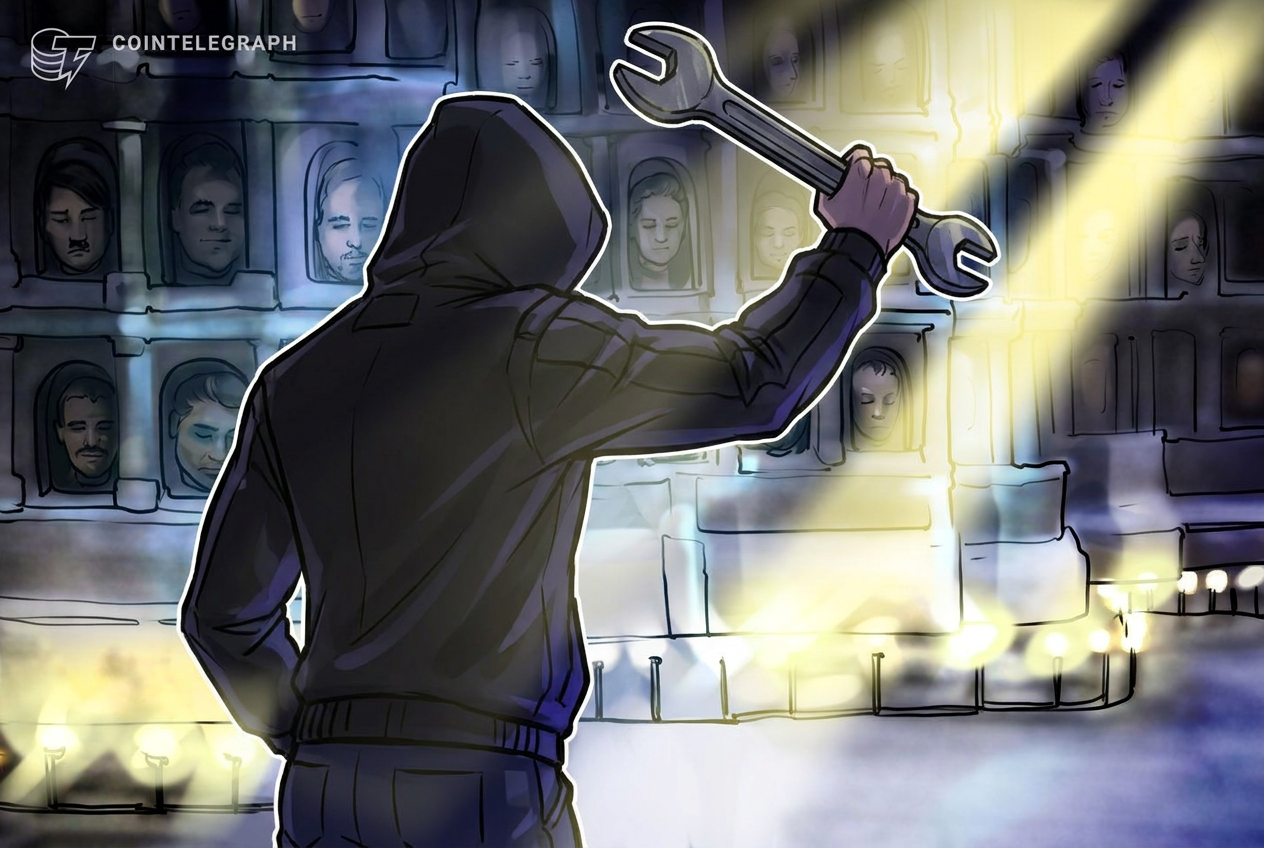
Crypto thieves have siphoned off over $30 million in the first half of 2026 through physical attacks targeting crypto holders, according to a Chainalysis report. This surge in "wrench attacks"—kidnappings, home invasions, and hostage situations—places crypto holders at risk not just of asset theft but also physical harm and personal safety.
Out of 46 documented incidents, only 12 resulted in the attackers receiving payments, giving the criminals a 26% success rate, down from 49% in 2025. However, many attacks likely remain unreported, and Chainalysis warns that the true scale of the issue may be even greater.
France saw 30 publicly known incidents by midyear, compared to 19 in all of 2025, while Spain reported 77 kidnapping, extortion, or attempted extortion cases so far this year, up from 45 in 2025. French authorities estimate the actual total may be substantially higher, with over 70 incidents already logged.
Chainalysis attributes the surge to the alleged misuse of French tax records, where tax officials allegedly accessed and sold information about crypto investors to criminals. A separate breach at crypto tax-reporting company Waltio exposed data belonging to about 50,000 users.
Onchain activity showed varying levels of sophistication, with attackers sending stolen funds directly to centralized exchanges, using bridges, decentralized exchanges, and laundering services. The most advanced cases linked to broader criminal networks, indicating the attacks are becoming more organized and widespread.
While the success rate of these attacks has declined, the report emphasizes that the risks to crypto holders extend beyond digital custody and asset management to their physical security, homes, and families.
Written by urgent.news from Cointelegraph's reporting — not their text. Machine-written — may contain errors; check the original before relying on it.