Considering the Many Forms a Family Can Take in Japanese Literature
Growing up, my mother and I often joked that I was a thirty-year-old in a ten-year-old’s skin. That happens when you’re an only child with a tendency toward bookishness—you spend all your time around adults, read much more than the
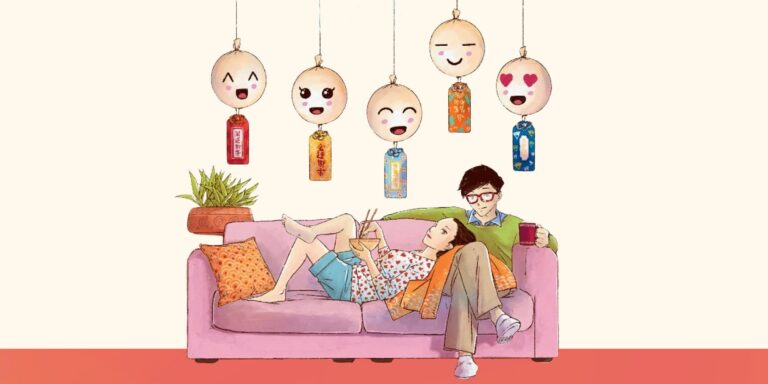
Growing up, the child protagonist Yuko Morimiya in Maiko Seo's novel "Someone to Cook For" felt like a thirty-year-old in a ten-year-old's body. Raised by five parents, Yuko is a well-adjusted and responsible young woman who understands the complexities of family dynamics. Despite her unusual childhood, she remains compassionate and strives to minimize friction with her guardians.
Her mother passed away when she was a toddler, and her father remarried. When Yuko was ten, her father transferred to Brazil, leading to a divorce and her mother requesting custody. At that point, Yuko made the difficult decision to follow her stepmother and leave her biological family behind. She legally changed her last name, becoming Yuko Tanaka, and no longer lived with her biological parents.
This change marked a significant turning point in her life, as she now belonged to a new family unit. In Japan, family structures are heavily influenced by blood relations, which Yuko's situation showcased. Her father's transfer to Brazil and her mother's request for custody forced Yuko to navigate the challenges of adjusting to a new household and learning to be self-reliant.
As the novel progresses, Yuko's sensitivity to her ever-shifting identity becomes even more apparent. She becomes acutely aware of the distance between her and each new guardian, constantly thinking of ways to minimize worry and friction. This sensitivity is rooted in the strong determining factor of blood relations in Japanese family structures.
Yuko's experiences with her various guardians, including her stepfather, highlight the contrast between her self-sufficient nature and her need for support. Despite her best efforts, Yuko struggles to confide in others about her fears and concerns, believing that doing so would be a burden on her former parents. Nevertheless, she eventually learns the importance of leaning on those who care for her, realizing that her unique upbringing has shaped her into a parent-like figure for herself.
Written by urgent.news from Literary Hub's reporting — not their text. Machine-written — may contain errors; check the original before relying on it.