Colombia’s Road to Peace Runs Through the Countryside
Rural neglect has produced a continual security crisis.
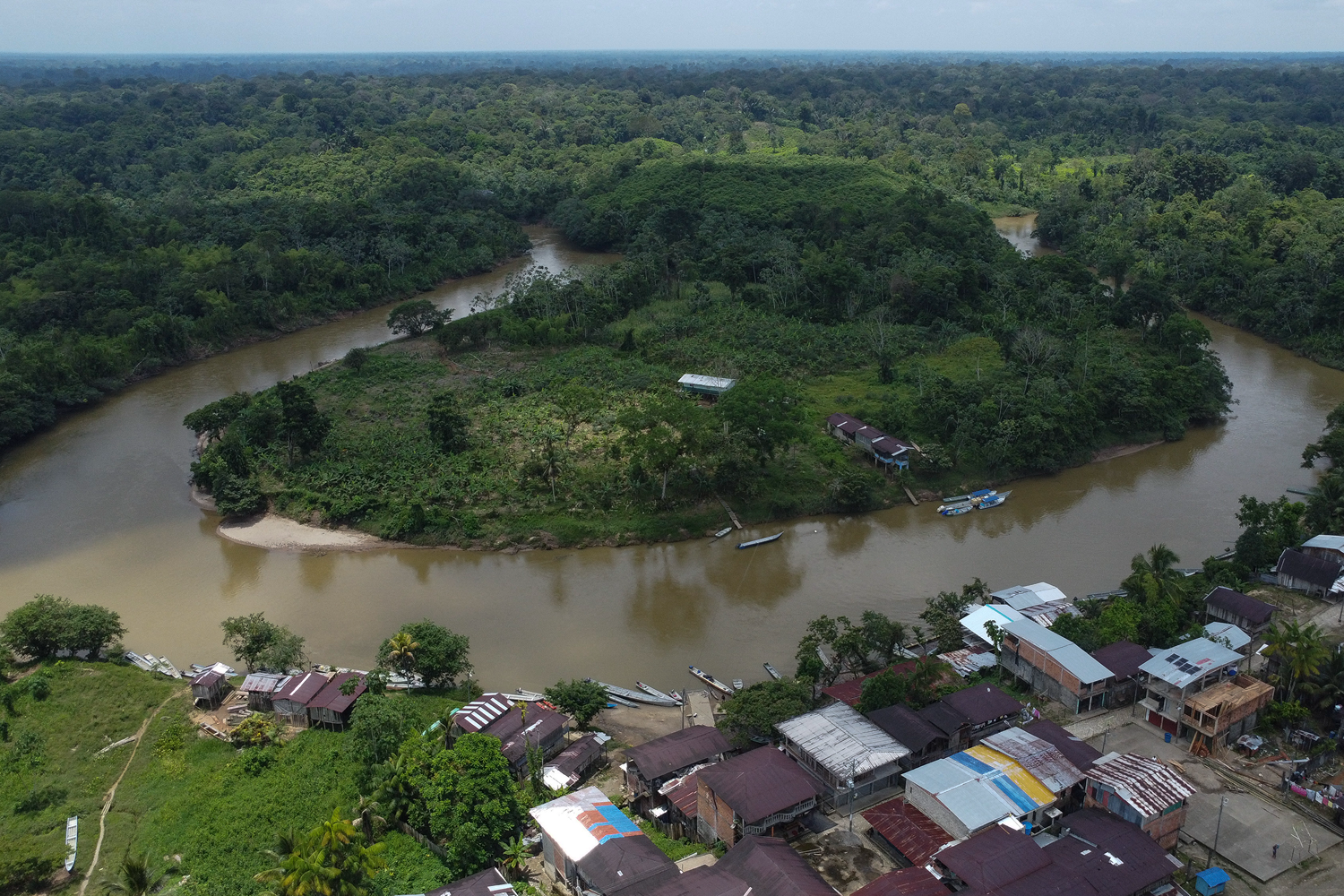
Colombia's path to peace seems to be navigating through the countryside. The nation's ongoing conflict has been influenced by multiple groups, from ideological guerrilla organizations to major drug cartels. After years of President Álvaro Uribe's tough stance, the government successfully negotiated a peace accord with the Revolutionary Armed Forces of Colombia (FARC), once the country's main Marxist-Leninist insurgent group.
However, this "total peace" strategy, led by former leftist president Gustavo Petro, failed to deliver. In stark contrast, the incoming conservative president, Abelardo de la Espriella, has vowed to promote peace and security through a robust enforcement of law and order, including the construction of large prisons akin to those in El Salvador.
This approach echoes the cyclical nature of Colombia's conflict, where shifts in strategy have become commonplace.
Colombia has shown a complex attitude towards achieving peace, oscillating between social justice and law and order approaches. The country faces a deep divide between these two strategies, with rural Colombians yearning for large-scale rural development. This approach has never been fully implemented before, given Colombia's status as the most unequal country in the hemisphere.
Large-scale rural development could be the game-changer needed to disrupt coca-growing economies, bring state presence and law to lawless areas, and deter criminal groups.
Despite the neglect of rural development, one promising initiative stands out – the Rural Roads for Total Peace program under the Petro administration. While Colombia's leaders have largely overlooked the importance of rural development, this program offered a unique opportunity. However, the program was short-lived, with only a minuscule 9 percent completion of its rural development chapter, the most expensive to implement.
The Colombian government admits that it accounts for 85 percent of the accord's total cost, yet it remains largely unfinished. This neglect of rural development is a major reason why the accord, particularly its rural development chapter, remains confined to paper, despite being the first chapter and visible to millions in rural areas.
Written by urgent.news from Foreign Policy's reporting — not their text. Machine-written — may contain errors; check the original before relying on it.