Chinese AI ‘tail-tracking’ robot delivers needle-free pig vaccinations with 93% accuracy
In China, robots are being used to inject pigs with vaccines to support intelligent pig farming and meet the production demands of the world’s biggest pork-producing nation. While eating, a pig may not notice the machine approaching from behind before the robot uses a camera to locate the base of the pig’s tail before delivering a needle-free vaccine injection into its buttock. Vaccination is a…
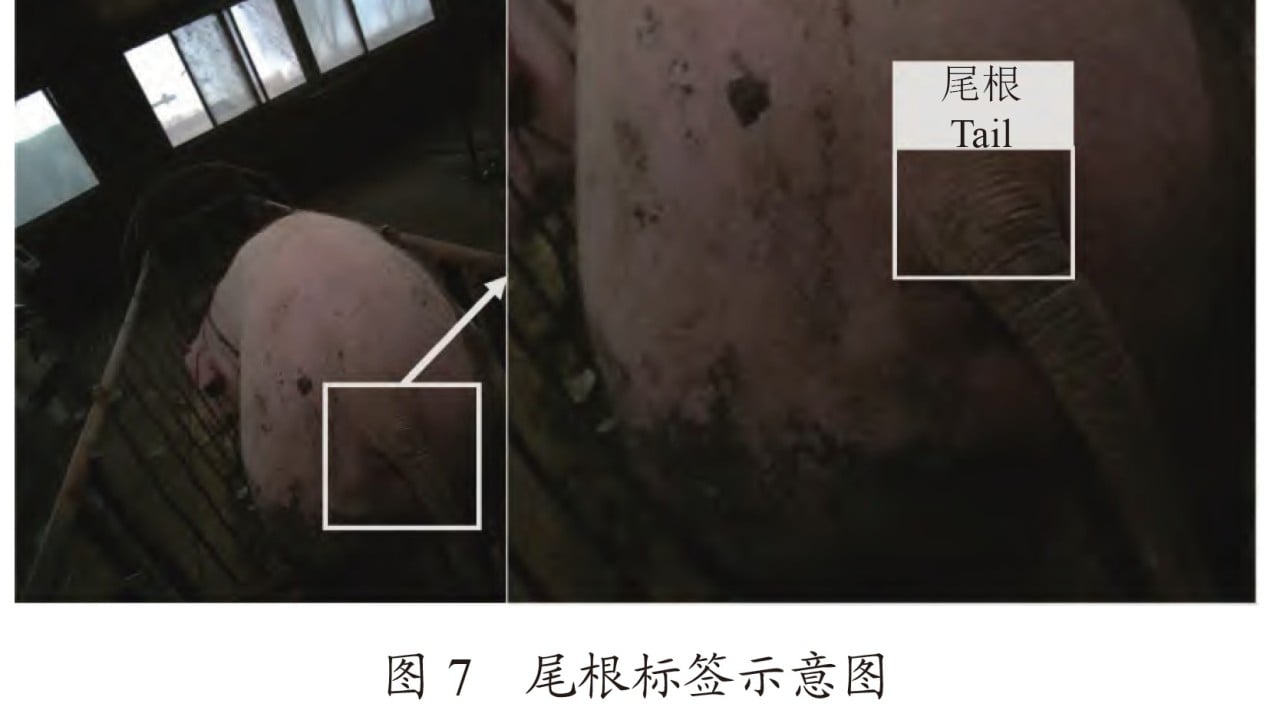
In China, robots are being employed to administer needle-free vaccinations to pigs, supporting a growing industry in the world's leading pork producer. While pigs consume food, these machines approach from behind, locating the base of the pig's tail via a camera before delivering a vaccine injection into their buttocks. Vaccination is a frequent procedure, with breeding pigs needing multiple injections throughout their production cycles, traditionally a labor-intensive aspect of farming.
Now, robotics and AI are being integrated to develop the buttock-tracking robot, achieving a 93.3% success rate, as reported by Li Bin, a research fellow at the Beijing Academy of Agriculture and Forestry Sciences. This innovation could facilitate "less-human, automated and intelligent large-scale pig farming," according to Li and his team.
The study, published in June in the peer-reviewed Transactions of the Chinese Society of Agricultural Engineering, highlights that traditional pig vaccination largely depends on human workers, leading to issues such as broken needles, missed injections, and inaccurate placement. In 2024, China slaughtered 703 million pigs, constituting 54.9% of global production, making efficient vaccination crucial.
The robot, developed with support from China's National Key Research and Development Programme for New Generation Artificial Intelligence, features a mobile platform, a six-axis robotic arm, a depth camera, and a needle-free injection module. The system calculates the injection area, correct position, and angle for the robotic arm using an AI model and a laser sensor to create a map of the pig holding area.
In field tests at a pig farm in Qinhuangdao, Hebei province, the robot successfully injected vaccines into 12 Landrace pigs aged four to five months, with 168 out of 180 attempts deemed successful. The entire process, including robot navigation, visual recognition, dynamic tracking, and precise triggering, is automated. However, some failures occurred due to pigs' sudden movements, posture changes, or defecation during the procedure.
Future improvements will focus on enhancing tail-base detection, tracking algorithms, and expanding the robot's application range for real-world deployment.
Written by urgent.news from South China Morning Post's reporting — not their text. Machine-written — may contain errors; check the original before relying on it.