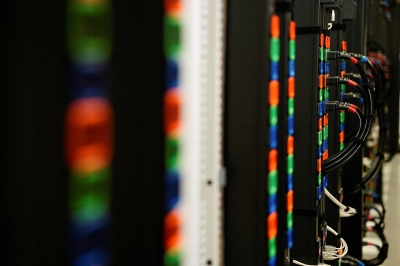
China’s MLCC supply chain expanding rapidly amid surge in global AI demand
China’s upstream supply chain for multilayer ceramic capacitors (MLCCs) – tiny components dubbed “the rice of electronics” – is racing to expand capacity, as an artificial intelligence-driven boom triggers a surge in global orders. Shandong Sinocera Functional Materials, a major supplier of dielectric powder to MLCC manufacturers, told investors in a Shenzhen Stock Exchange filing on Wednesday…
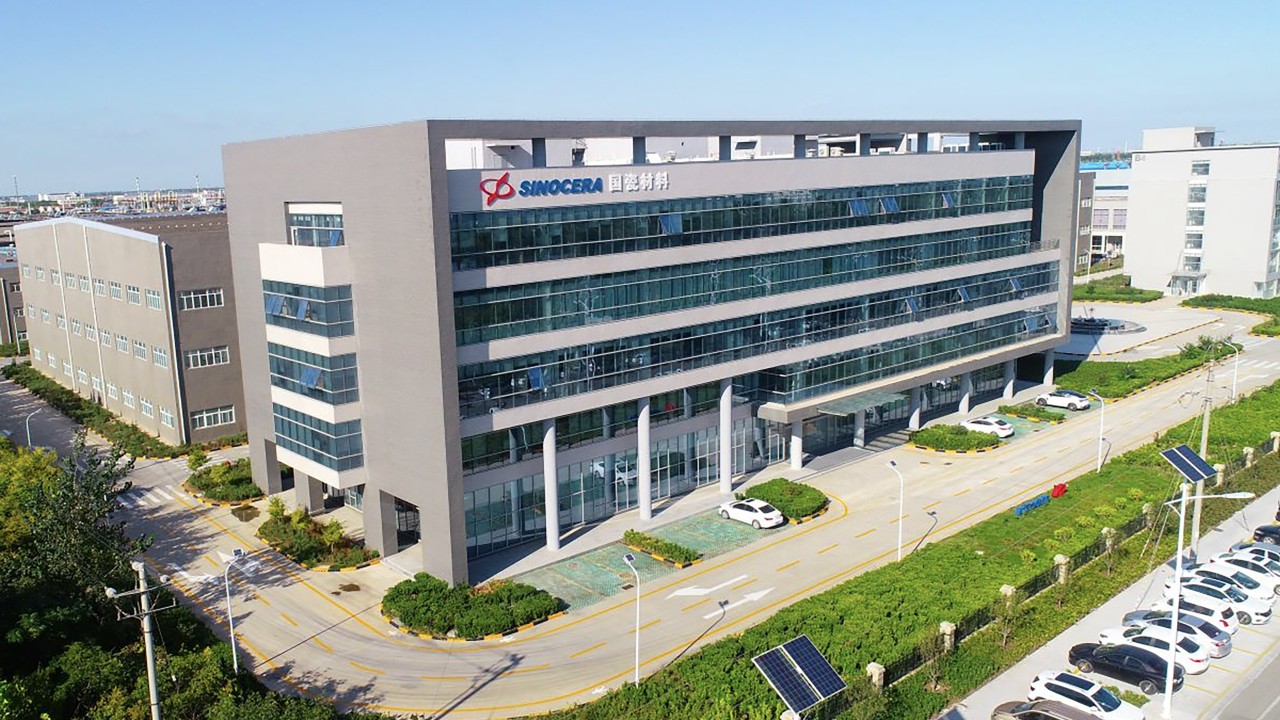
China's multilayer ceramic capacitor (MLCC) supply chain is rapidly expanding due to a surge in global artificial intelligence (AI) demand. Shandong Sinocera Functional Materials, a key supplier of dielectric powder to MLCC manufacturers, has announced plans to expand capacity for AI servers and vehicles. The company stated that output and sales of MLCC powders are expected to increase further as new production lines come online.
Sinocera's optimism is backed by strong performance in the first half of 2026, with sales growth of nearly 17 percent year on year and net income rising 9 percent. The demand for MLCCs is driven by the computing needs of AI infrastructure, as recognized by Goldman Sachs. Other upstream suppliers, such as Jiangsu Boqian New Materials and Zhejiang Jiemei Electronic Technology, have also increased investments in expansion projects to meet the growing demand.
Jiangsu Boqian pledged 201.5 million yuan in three expansion projects for nickel powders, a critical raw material used to manufacture MLCC electrodes, while Zhejiang Jiemei plans to expand its production of release film, a specialized substrate used in MLCC manufacturing, from 400 million to 980 million square meters annually.
Written by urgent.news from SCMP Business's reporting — not their text. Machine-written — may contain errors; check the original before relying on it.
This story
This is one outlet's version. Read the fullest account.