Building QA Agents That Remember with Knowledge Graphs
Knowledge graphs give AI testing agents product memory, enabling smarter agentic testing that adapts to changing apps and catches hidden bugs.
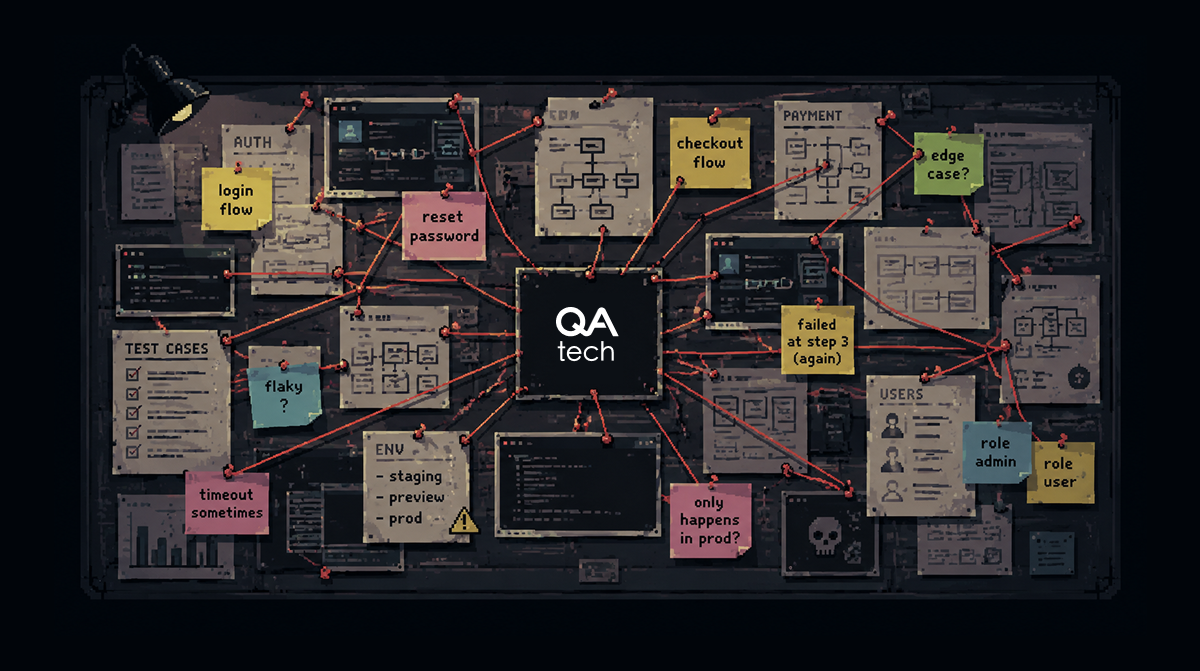
In the world of software testing, human QA testers exhibit remarkable efficiency by retaining knowledge of the product they are testing. They remember fragile elements, user navigation patterns, and recurring bugs. However, artificial intelligence-powered test agents lack this advantage. Each run requires them to rediscover the product from the beginning, leading to slow, inconsistent, and costly testing processes. The key question is whether an agent can retain the product's knowledge.
To equip agents with this memory, one practical method is using a knowledge graph. This structured representation of the product allows the agent to reason over it before generating tests. The article explores this concept in detail, highlighting the benefits and potential drawbacks of implementing a knowledge graph in testing processes.
While the advantages of a knowledge graph in providing structured agent memory are clear, the article also acknowledges that such a system may not always be necessary. In some cases, simpler memory solutions might suffice. The piece examines various scenarios, weighing the costs and benefits of building a knowledge graph against the potential savings and efficiency gains it could bring.
The article emphasizes the importance of balancing the need for faster testing cycles with the requirement for thorough testing. As AI-generated code increases, traditional regression testing becomes less effective due to the ever-changing nature of the codebase. Human testers struggle to keep up with the pace of test generation, leading to potential quality issues. Agentic testing offers a solution by focusing on intent rather than predefined steps, enabling agents to adapt to changes and generate more effective tests.
However, the article also acknowledges the challenge of unstructured context in test creation. Test agents may collect extensive data about the product, but organizing and utilizing this information effectively is crucial. This is where a knowledge graph shines, providing a coherent structure for memory and enabling agents to quickly access relevant information when creating tests.
To demonstrate the practical application of a knowledge graph in testing, the article introduces QA.tech, a system that models a web app as a knowledge graph. QA.tech explores the product, creates a graph representation, and uses this graph to guide test creation, verification, and validation. The system timestamps the graph to ensure its accuracy and relevance over time, adapting to changes in the product.
While a knowledge graph offers numerous benefits, the article also cautions against overusing this approach. In certain situations, simpler memory solutions might be sufficient and more cost-effective. The article concludes by highlighting the importance of considering the specific needs and complexities of each testing scenario when deciding whether to implement a knowledge graph.
Written by urgent.news from HackerNoon's reporting — not their text. Machine-written — may contain errors; check the original before relying on it.