AI is now making new viruses
What could possibly go wrong?
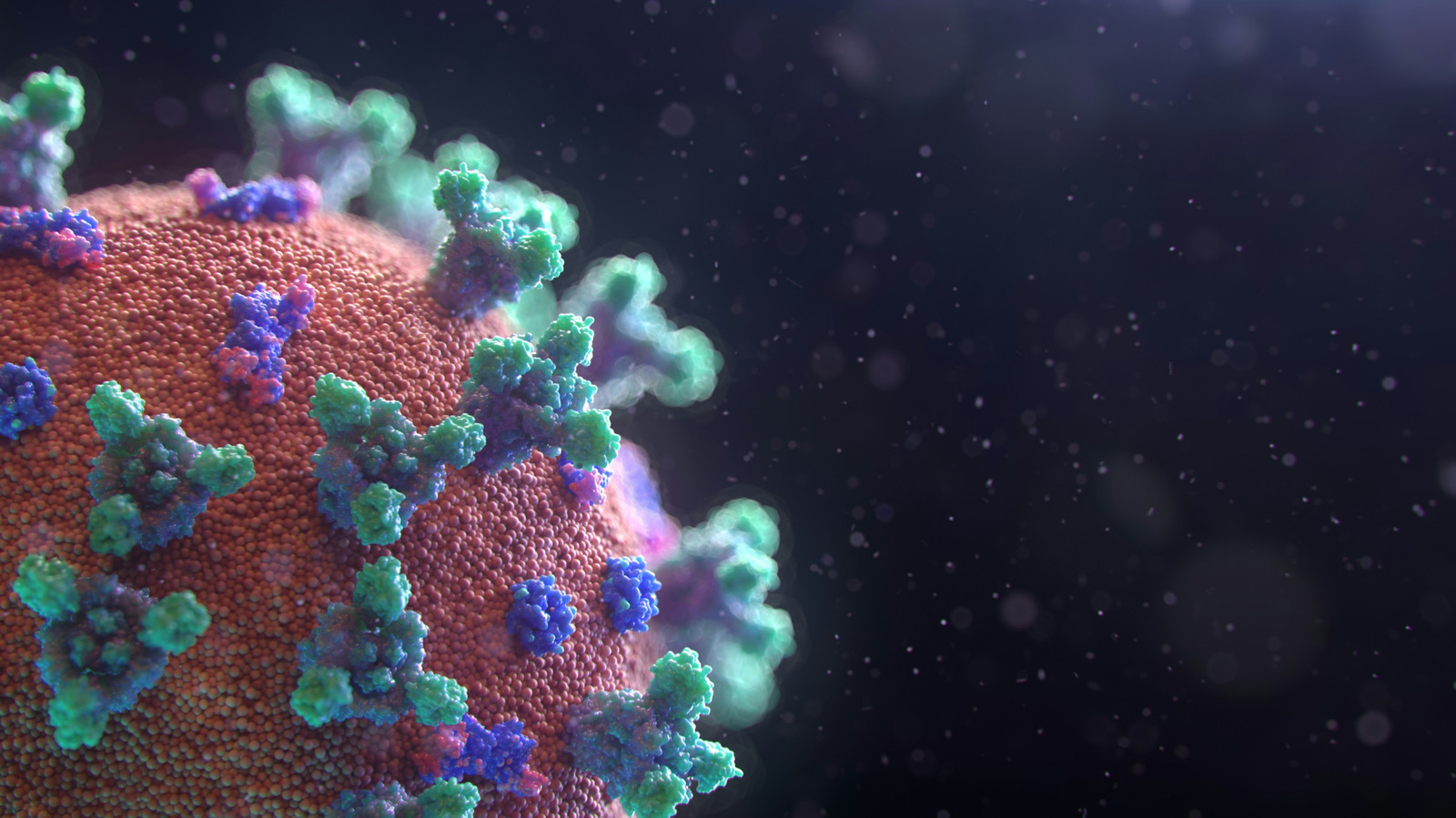
Researchers at Palo Alto's Arc Institute and Stanford University have utilized artificial intelligence to develop new viruses capable of infecting and replicating within bacteria. This groundbreaking study, published in Science, was conducted using advanced genome language models, Evo 1 and Evo 2, which function similarly to large language models like ChatGPT or Claude but are trained on genetic sequences rather than texts.
By analyzing trillions of nucleotides and learning the "grammar" of genetic code, Evo was able to generate approximately 700,000 potential new viruses. Of these, the team selected the 285 most promising candidates and successfully manufactured their DNA, inserting it into bacteria. Out of these creations, 16 produced viable viruses, some of which reproduced at a faster rate than the original Phi X-174 virus, which only infects E. coli bacteria.
The researchers took precautions to ensure the new viruses did not infect humans, other animals, plants, or fungi. While this advancement could lead to significant breakthroughs in gene therapy, biotechnology, and our understanding of genomes, it also poses considerable risks. If unregulated, AI-designed viruses could be used maliciously, potentially creating highly contagious or deadly pathogens.
The current regulatory environment is not equipped to handle such advanced technology, leaving open the possibility that "the good guys" might misuse it. As AI technology progresses rapidly, the question remains - will our safeguards keep pace with these advancements before it's too late?
Written by urgent.news from Engadget's reporting — not their text. Machine-written — may contain errors; check the original before relying on it.