Why US cities are deactivating Flock Safety cameras and canceling contracts
Cities across America are deactivating Flock's automated license plate reader cameras. Residents are damaging these devices amid widespread privacy concerns and data collection fears. Reports of law enforcement misuse have further fueled opposition to the surveillance technology. Flock maintains its cameras balance public safety and individual privacy rights. The company has implemented new audit…
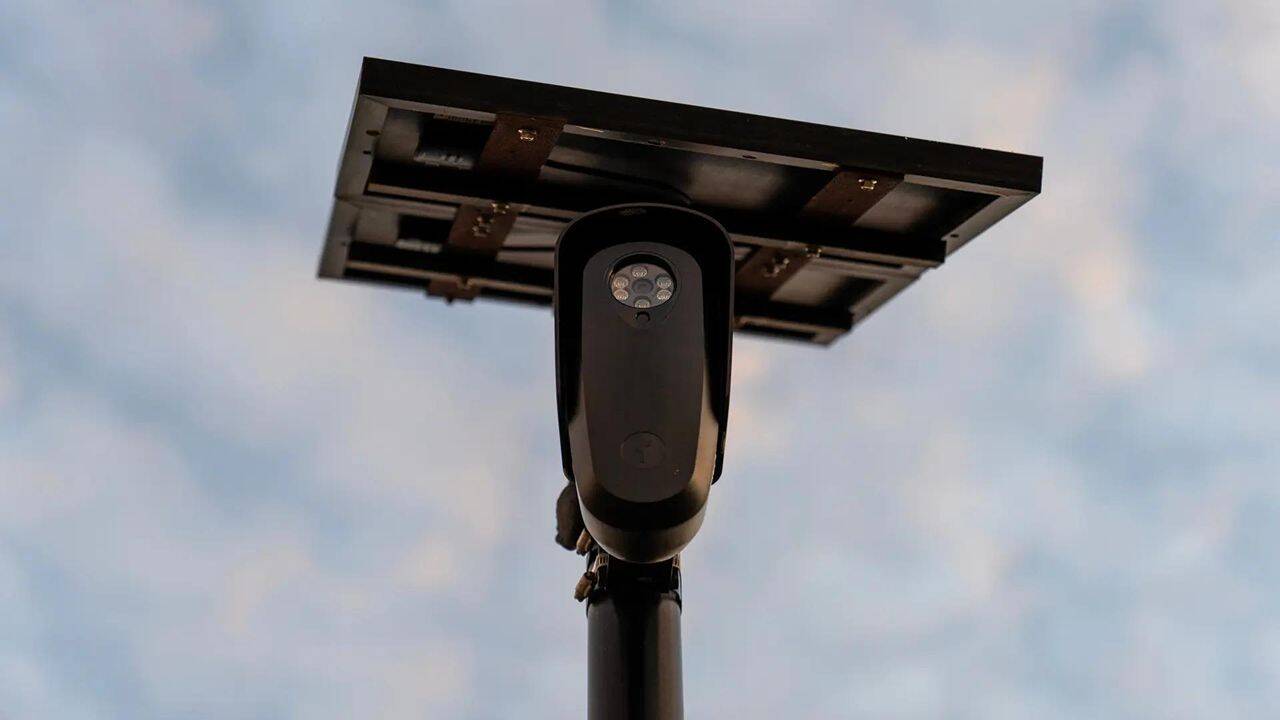
Across the United States, numerous cities are shutting down or canceling contracts with Flock Safety's Automated license plate reader (ALPR) cameras in response to growing concerns over privacy, data collection, and police misuse. Flock claims to have around 120,000 ALPR and pan, tilt, and zoom cameras deployed in the US, forming a vast network that aids law enforcement in tracking vehicles. However, critics argue this same system can facilitate mass surveillance.
Cities like Fort Collins in Colorado, Eugene in Oregon, Madison in Wisconsin, Knoxville in Tennessee, Syracuse in New York, and Walla Walla in Washington have deactivated cameras or terminated contracts with Flock. In some instances, the cameras have been damaged by residents, with one being hit by a truck and others covered in paint. In Florida, a man blocked a camera's view using a piece of cardboard attached to a pole.
Flock's ALPR cameras automatically scan vehicle license plates and can record live footage for later review. Police agencies can access this data to trace or reconstruct vehicle movements during investigations. The company states its cameras collect tens of billions of data points monthly, with default data retention set to 30 days. However, police departments can adjust this period based on state and local rules.
Privacy advocates are deeply troubled by the scale and searchability of Flock's network. Critics argue that the system represents a violation of people's privacy and a step towards a police state. Conservatives express concerns about government power and constitutional rights, while progressives warn about surveillance and possible government abuse. Reports of police misusing Flock's technology have further fueled opposition, with cases involving harassment and stalking.
Flock's CEO, Garrett Langley, maintains that safety and privacy can coexist, introducing an automatic audit process to flag suspicious use of its technology.
Written by urgent.news from Times of India's reporting — not their text. Machine-written — may contain errors; check the original before relying on it.