Why Has History Forgotten World War II's Largest Prison Break, Which Claimed the Lives of More Than 200 Japanese POWs?
During the 1944 Cowra breakout, over 900 prisoners attempted to escape from an Allied camp in Australia. The uprising resulted in the deaths of 234 Japanese men and 5 Australians
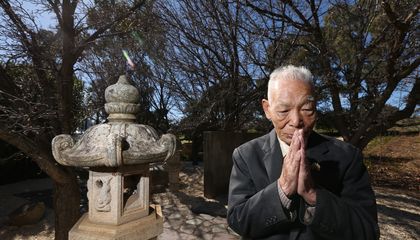
On the night of August 5, 1944, a Japanese prisoner-of-war (POW) at the Cowra camp in New South Wales, Australia, climbed over a fence in a desperate attempt to escape. The prisoner, who was reportedly weeping and fearful, was met with gunshots from guards but was unable to flee before a bugle call interrupted. Over 900 prisoners then broke out of their quarters, armed with makeshift weapons like baseball bats, gardening tools, and cutlery.
The initial Cowra breakout resulted in the deaths of 231 Japanese POWs and 108 injuries. Three more Japanese POWs succumbed to their wounds, raising the total Japanese death toll to 234. Despite the overwhelming odds, the majority of the 1,104 Japanese POWs held at Cowra participated in the uprising. The Japanese had a unique wartime culture that emphasized loyalty to the emperor and prioritized group over individual desires.
This mindset was reinforced through military codes like the "Senjinkun," which instructed soldiers to sacrifice themselves for their army unit without concern for personal interests or life and death. As a result, the Japanese prisoners at Cowra were willing to face the possibility of being shot rather than surrender.
Written by urgent.news from Smithsonian's reporting — not their text. Machine-written — may contain errors; check the original before relying on it.