What's causing record high US beef prices?
The meat has never been more expensive, due to supply shortages, but no-one is making more money.
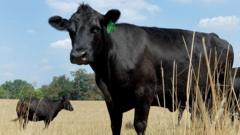
The soaring US beef prices have left many wondering what is causing this dramatic increase. Eric Gropper, a cattle rancher from South Dakota, says he is not making any more profit despite record-high prices. The rise in beef prices is not only more than three times the rate of general inflation but has also surpassed the rate of the cost of living. The US beef supply chain has been analyzed to determine the cause of this price hike, and the findings reveal several factors at play.
One of the primary reasons for the record-high beef prices is the scarcity of cattle. Due to a combination of drought and disease, the US had fewer cattle than at any point since 1951. This shortage has caused the bids at livestock auctions to soar, with Gropper's calves now fetching up to $2,500, up from $2,000 two years ago. However, Gropper's costs have also increased significantly, with a new pick-up truck now costing $100,000, a wooden fence post jumping from $6 to as much as $19, and 60% of US cattle now grazing on drought-hit land, forcing farms to buy in hay and silage.
The feedlot companies, which are responsible for fattening the cattle for the final three to six months of their lives, are selling cattle at all-time high prices but are also buying them at record levels, leaving them with no significant profit increase. The meatpackers, who are responsible for slaughtering and processing the beef, are also struggling due to the high prices they pay for the live animals.
While they have increased the prices they charge for their beef, there is a limit to what supermarkets, restaurants, and consumers are willing to pay. The inefficiency in running the meatpacking plants at less than full capacity has also contributed to the losses, with Harpley's Meatpacking, for example, running at just 350 cattle a day instead of its full capacity of 425 to 450 cattle.
The higher costs and lower profits have left many in the beef industry, including ranchers, feedlot companies, and meatpackers, in a difficult position. Despite selling calves and beef at record prices, they are not seeing any significant increase in their profits. The inefficiency in the supply chain, coupled with the limited ability of supermarkets, restaurants, and consumers to increase prices, has resulted in a situation where everyone is turning over more money than they used to, but not keeping any of the extra.
It is a complex issue that will require a significant increase in the number of US cattle to improve the situation.
Written by urgent.news from BBC Business's reporting — not their text. Machine-written — may contain errors; check the original before relying on it.