What to Know About the ‘Flesh-Eating’ Bacteria That Killed Someone in Florida
Vibrio vulnificus thrives in warm coastal waters, and people can get sickened by it through raw shellfish or open wounds.
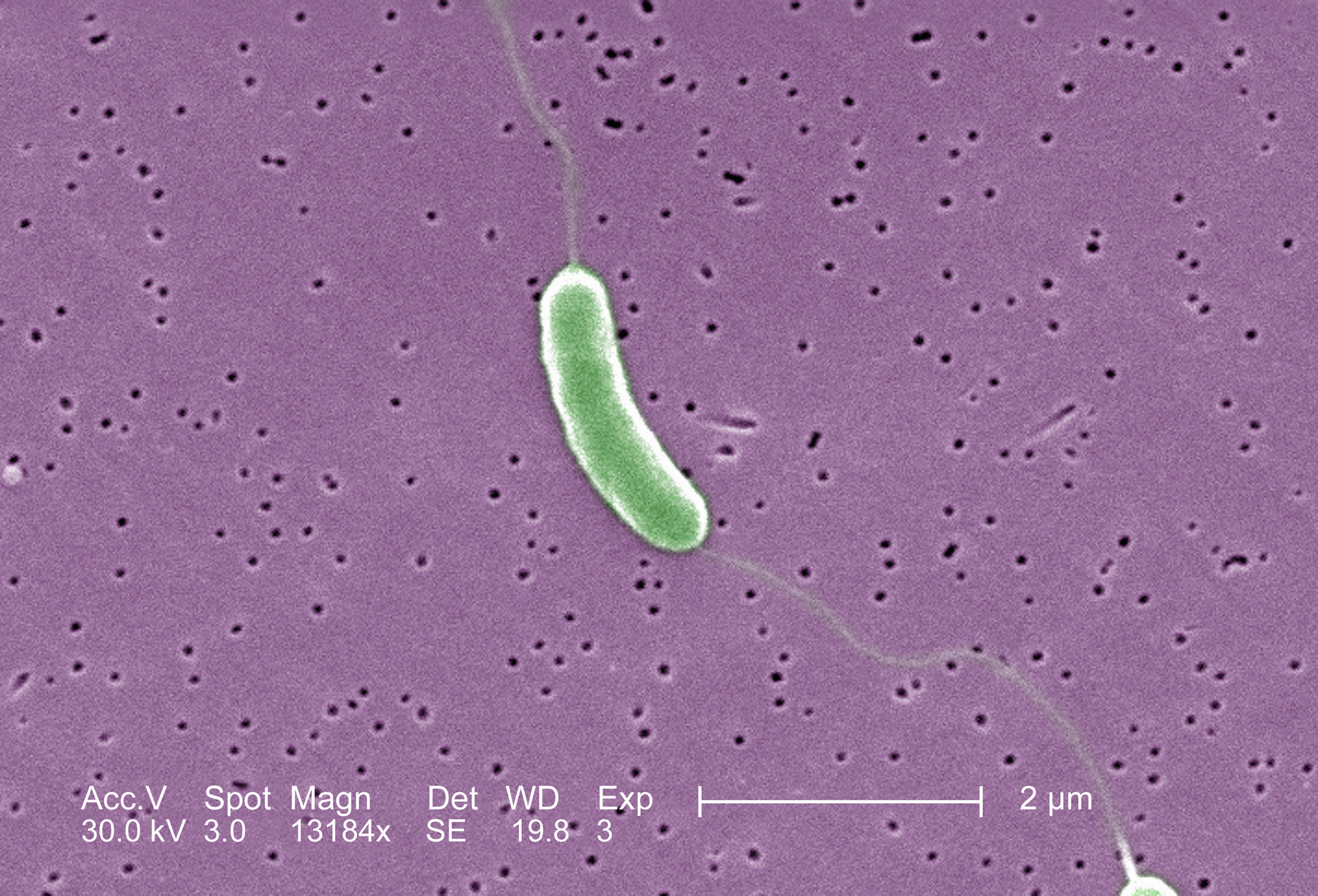
A Florida resident has tragically died from an infection of Vibrio vulnificus, a "flesh-eating" bacteria that thrives in warm coastal waters. This marks the first reported death from the bacteria this year in the United States, with Florida experiencing the highest rate of such infections in the country. Twelve cases of Vibrio vulnificus have been reported this year, with the deceased being an 80-year-old individual from Palm Beach County.
The state's health department is currently investigating the case, though specific details remain undisclosed.
Vibrio vulnificus is a water-loving pathogen belonging to the Vibrio genus, which also includes the bacterium responsible for cholera. While infections caused by Vibrio vulnificus are relatively uncommon globally, they are much more likely to be fatal, with approximately one in five infected individuals succumbing to the disease.
Symptoms of a Vibrio vulnificus infection can range from diarrhea, vomiting, and stomach cramps to more severe manifestations such as necrotizing fasciitis, a condition that can lead to tissue death and, in severe cases, necessitate amputation or result in death.
Transmission of Vibrio vulnificus can occur through consumption of raw or undercooked shellfish, particularly oysters, which tend to accumulate the bacteria in their tissues. Additionally, open wounds can serve as entry points for the bacteria, especially when individuals wade into waters contaminated with the pathogen. Upon entering the body, Vibrio vulnificus can spread rapidly, causing tissues to degrade and leading to life-threatening conditions, particularly in individuals with weakened immune systems, elderly people, or those with pre-existing medical conditions such as liver disease, diabetes, or cancer.
Preventive measures to avoid exposure to Vibrio vulnificus include avoiding contact with warm salt and brackish coastal waters, especially for those with open wounds, and refraining from consuming raw oysters during the warmer months. Shellfish lovers might find the advice to avoid raw oysters in the summer particularly challenging, but it is crucial to follow these guidelines to minimize the risk of infection.
Using gloves while shucking oysters and cooking shellfish thoroughly can also help in preventing exposure to the bacteria. The Florida health department advises boiling shucked oysters for at least three minutes or frying them in oil for a minimum of ten minutes at 375°F to ensure safety.
Although Vibrio vulnificus infections are rare globally, with around 150 to 200 cases reported annually in the U.S., primarily in Florida and other Gulf Coast states, the incidence of these infections is anticipated to rise due to climate change. A 2023 study published in Nature projects that Vibrio vulnificus infections could become prevalent in every Eastern U.S. state within 50 years due to global warming.
Similarly, a March 2026 study highlighted a growing trend in Northern Europe, where cases of Vibrio vulnificus infection are on the rise alongside warming coastal waters. Despite the lack of a vaccine for Vibrio vulnificus, antibiotic treatments are available for serious infections, although severe cases may be untreatable.
Written by urgent.news from Time's reporting — not their text. Machine-written — may contain errors; check the original before relying on it.