We're building the most critical infrastructure of our lifetimes. We're leaving the front door unlocked
The industry is building AI capacity at unprecedented speed, and quietly treating the physical protection of these facilities as the most flexible line in the budget.
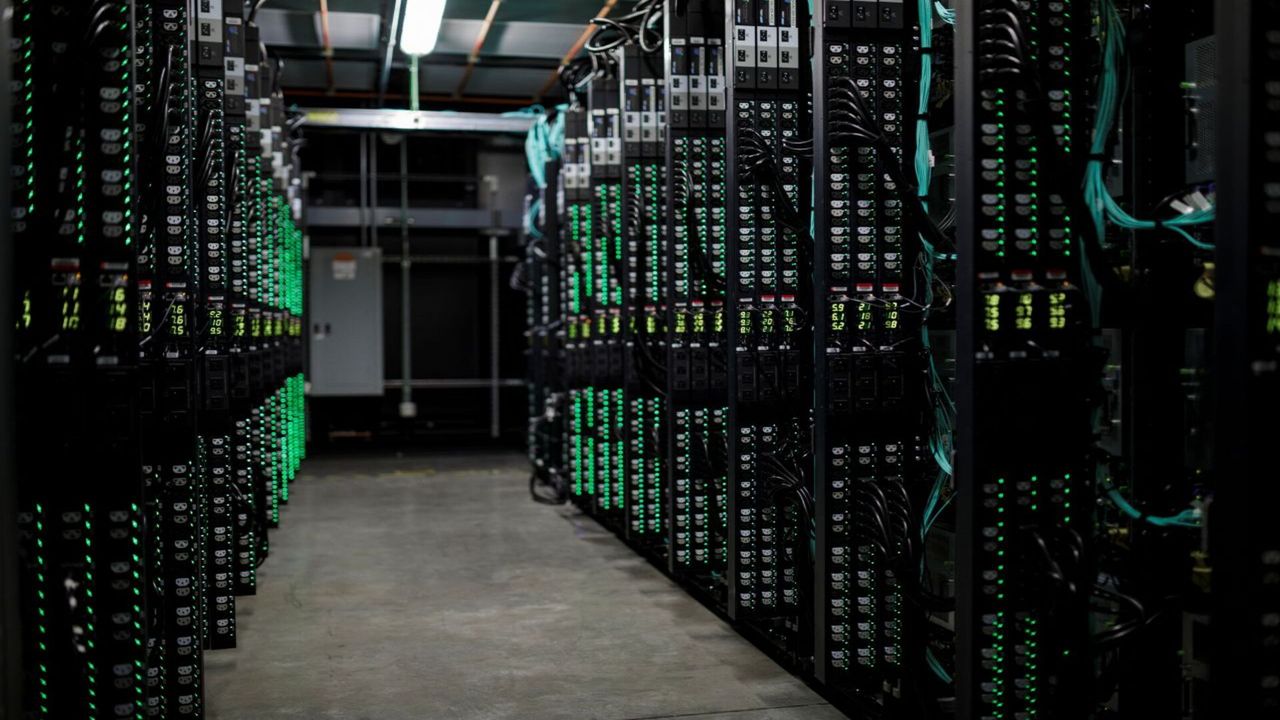
In a race to build the most critical infrastructure of our time, the data center industry is constructing facilities at an unprecedented pace, driven by the growing demand for AI compute. However, amid the focus on megawatts, cooling, chips, network, and cybersecurity, the physical protection of buildings is often overlooked. A recent regulatory change in the United States is set to exacerbate this issue, and the implications extend beyond federal facilities to all private operators.
On September 30, the Federal Data Center Enhancement Act is set to expire without a replacement. This law had established minimum standards for federal data centers, including physical intrusion protection, and served as a critical benchmark for private operators. Without renewed legislation, security baselines that data centers strive to meet may no longer be enforced.
Physical security is not merely an abstraction; it is the contractor with unauthorized access, the unmonitored loading bay, and the maintenance door left open for convenience. These vulnerabilities are exploited to steal data, sabotage infrastructure, and render entire facilities offline.
The real exposure lies in the new builds, AI-era expansions, and private developments, where security measures are often compromised in favor of speed and budget. As governments classify data centers as critical national infrastructure, removing the physical security assessment framework from the equation creates a dangerous contradiction.
It is essential to recognize that physical security must be treated as a core design element rather than an optional compliance obligation. Integrating physical and digital security into a unified system is the most effective approach, as it enables a coordinated response to any anomaly.
The solution lies not just in more regulation but in treating physical security as an integral part of the design process from the outset. This change would prevent the deferral of security measures and ensure that critical facilities are adequately protected. In the current AI buildout, the industry prioritizes engineering achievements and the challenges of energy and compute.
However, the industry must also prioritize the physical security of these facilities, recognizing it as a given rather than an afterthought. The lapse in the Federal Data Center Enhancement Act should not dictate the physical protection of the world's most critical compute.
Written by urgent.news from TechRadar's reporting — not their text. Machine-written — may contain errors; check the original before relying on it.