US to shut five consulates as critics fear China could fill diplomatic vacuum
State department informs Congress of planned closures in Canada, Grenada, Japan, Indonesia and Cameroon The US state department is to shut five foreign consulates and missions across Asia, Africa, North America and the Caribbean, drawing criticism that it is leaving a diplomatic vacuum at risk of being filled by China. The US Congress has been served notice of the impending closures, which are…
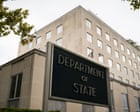
The US Department of State has announced plans to close five consulates and missions in Grenada, Cameroon, Indonesia, Japan, and Canada, sparking concerns that China may fill the diplomatic gap left behind. The closures come in response to a review of US diplomatic relationships since the return of Donald Trump to the White House in January 2025, and are being driven by concerns over cost.
The department has already laid off over 1,300 employees, including 246 foreign services officers and 1,107 civil servants, in the past year. With more than half of the US's 195 ambassadorial posts vacant, critics argue that the closures risk leaving a power vacuum that China would be eager to exploit. Jeanne Shaheen, a top Democrat on the Senate Foreign Relations Committee, highlighted that China already has a presence in three of the five locations where the US is closing its consulates, suggesting that Beijing would capitalize on the situation.
Critics in Canada have also voiced concerns, pointing out that the closure of the Winnipeg consulate could hinder trade and investment relations, especially given the ongoing tariff dispute between the US and Canada. Despite the criticism, the State Department maintains that the closures will help streamline operations and deliver more effective results for American citizens.
The White House has countered claims that China is filling the diplomatic vacuum, urging people to look at instances where China has stepped in to address natural disasters and health crises.
Written by urgent.news from The Guardian's reporting — not their text. Machine-written — may contain errors; check the original before relying on it.