US military leaders are sounding the alarm on a growing battlefield threat: drug-resistant bacteria
US troops are at risk from drug-resistant bacteria. Experts stress the importance of medical advances to combat infections in large-scale conflicts.
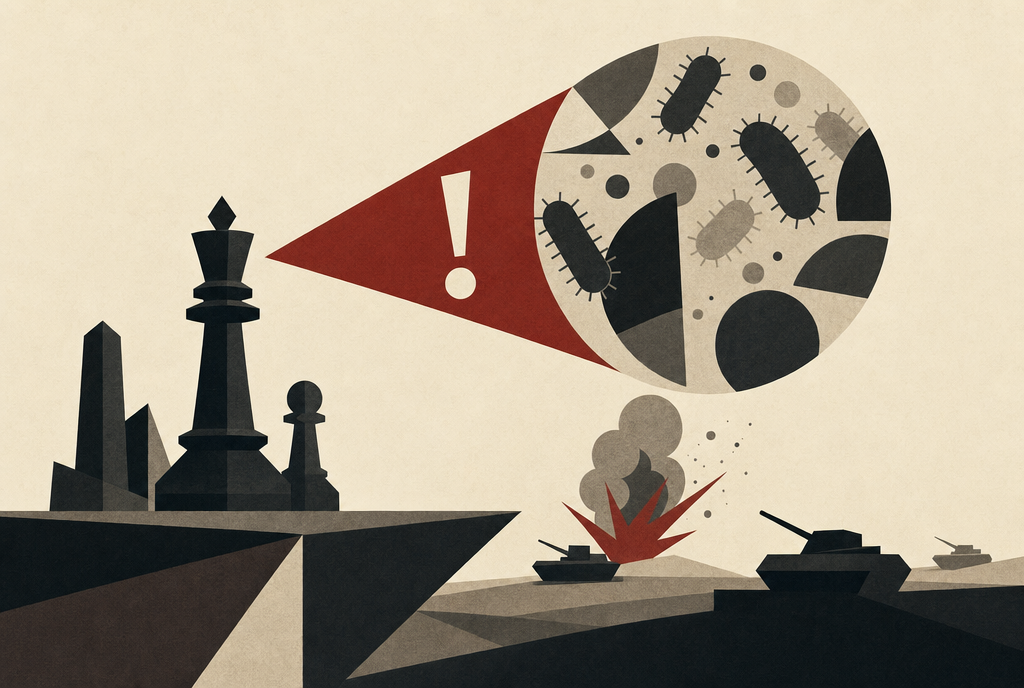
US military leaders are expressing concern over a rising threat on the battlefield: drug-resistant bacteria. Recent US casualties from the Middle East carried multi-drug resistant bacteria, as reported by the Joint Staff's top medical officer. Only one of those US troops developed an active infection. The others were "colonized," indicating the bacteria's presence on or in their bodies but not necessarily causing sickness.
This has led experts to warn of a looming danger that the military's medical system is likely to face in large-scale conflicts, given the potential for infections and antibiotic-resistant organisms to cause havoc. The problem is not limited to the US; Ukraine's medical system is also struggling with resistant infections due to ongoing warfare.
Experts argue that infections and antimicrobial-resistant organisms could pose a significant threat in a large-scale war, potentially resulting in thousands of severely injured troops facing delays in evacuation and prolonged field care. The issue has gained attention in Congress, but the annual defense bill only "encourages" the Pentagon to prioritize investments in wound management and infection prevention.
Experts suggest that the current approach to managing infections may not be effective enough, and a more aggressive push for research is needed. The military may need to explore alternative methods of treating infections, relying less on antibiotics and more on other solutions.
Written by urgent.news from Business Insider's reporting — not their text. Machine-written — may contain errors; check the original before relying on it.