University of Cambridge professor at centre of plagiarism row resigns
Prof Jason Arday said he had "concluded that the only way to bring this chapter to an end is to step away".
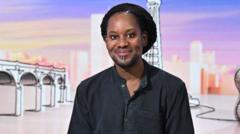
A University of Cambridge professor found at the heart of a plagiarism controversy has stepped down immediately. On Wednesday, the institution announced it had initiated an investigation into Professor Jason Arday following fresh details concerning his academic credentials and honorary positions. Arday, who became the youngest black professor at Cambridge in 2023, has acknowledged mistakes in his work but maintains he is not a liar.
The situation escalated after various media reports cast doubt on some of his achievements and accused him of plagiarism in his PhD thesis.
In a statement, Arday noted that becoming a professor was "without question, the greatest professional privilege of my life." However, he added: "There comes a point when the personal cost becomes too great." He explained that his resignation should not be seen as a loss of faith in scholarship or the values that drew him to Cambridge. Instead, it's a measure for his own wellbeing, family, and supporters who have been with him through this challenging period.
Arday emphasized that this does not mean the end of his work and that he needs time to recover. When he returns, he stated he will continue his endeavors. The plagiarism allegations against Arday began with Nathan Cofnas, a US researcher and self-described "race realist," whose position at a Cambridge college was terminated due to backlash over his belief that under a meritocracy, black individuals would largely disappear from high-profile roles outside of sports and entertainment.
Cofnas alleged that he used plagiarism detection software to scrutinize Arday's work, discovering numerous passages with minimal editing, occasionally including copy-editing errors from the original source. Initially, Cambridge characterized the allegations as an "unrelenting level of public scrutiny and personal attack" against Arday. Liverpool John Moores University, which awarded his PhD in 2015, investigated the plagiarism allegations but did not uphold them.
The BBC has sought additional comment from the university. On Saturday, in an interview with the Times, Arday claimed accountability for his mistakes but insisted: "What I am not is a liar." He suggested the campaign against him was racially motivated and that he had become a "lightning rod" for criticism of diversity, equity, and inclusion (DEI) policies.
Arday attributed some early academic errors to his autism, suggesting that similar scrutiny could uncover similar mistakes in other academic works. He clarified that the £5 million raised for charity was with assistance from others over a 20-year period, though he could not disclose their identities due to non-disclosure agreements.
Written by urgent.news from BBC News's reporting — not their text. Machine-written — may contain errors; check the original before relying on it.
This story
This is one outlet's version. Read the fullest account.