Travel back to 2001 and the dawn of the camera phone
It's also been 25 years since we were first able to send photos between phones
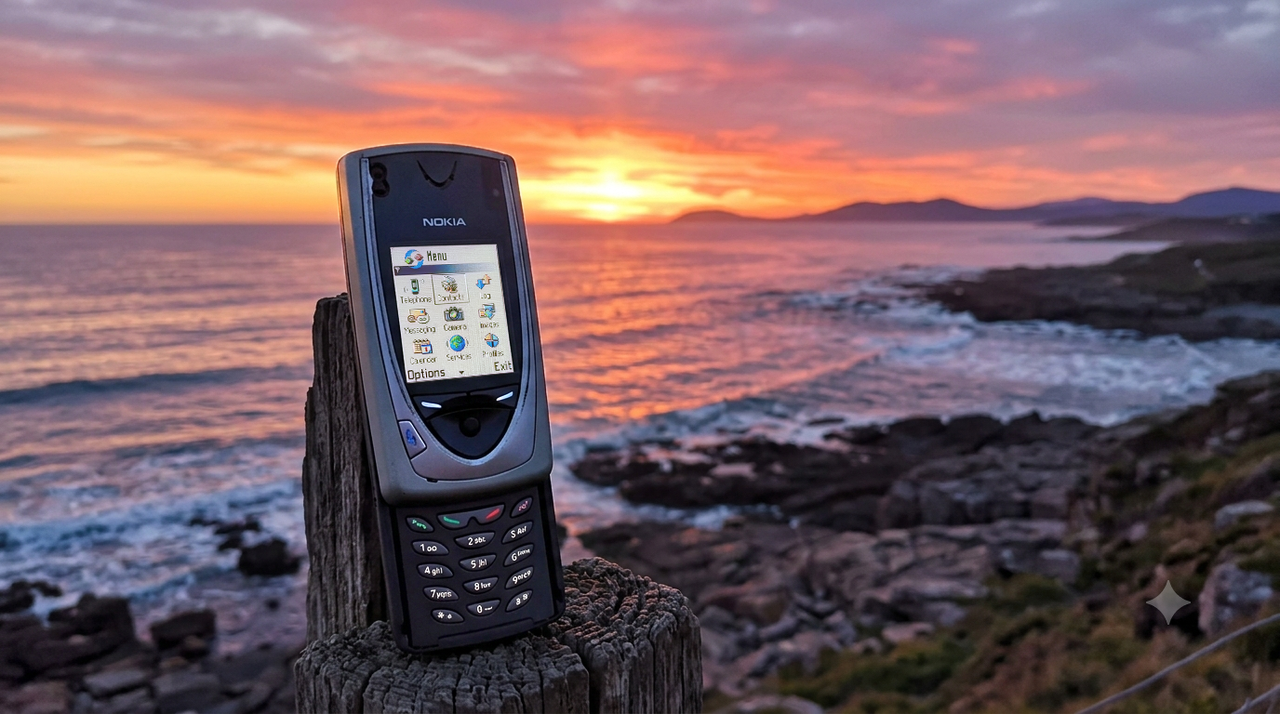
The camera phone emerged as a groundbreaking innovation in the late 2000s, marking a significant leap in mobile technology. The first commercially available camera phone, the Kyocera Visual Phone VP-210, launched in Japan in 1999. However, it wasn't until 2001 that Nokia unveiled its first camera phone, the 7650, which was the first to bring digital camera capabilities to a mobile device in Europe.
This device represented a futuristic, almost sci-fi concept, with its compact slider design and the ability to capture photos on the go. Despite having a VGA (0.3MP, 640 x 480 pixels) sensor, the 7650's camera was revolutionary due to its portability and convenience, which set it apart from standalone digital cameras of that era.
The 7650 was priced at 600 Euros, or approximately 1000 Euros in contemporary terms, which, while a significant investment at the time, was relatively affordable compared to the cost of a flagship phone. This price point made the device accessible to a wider audience, contributing to its novelty and appeal. Nokia's innovation extended beyond just the camera hardware; the company also aimed to facilitate the sharing of these photos.
Before the advent of social media and instant messaging, the Multimedia Messaging Service (MMS) was developed to allow users to send photos wirelessly between devices. However, MMS was an expensive service, costing about three times the price of a standard text message (SMS), and it required both the sender and receiver to have compatible high-end handsets.
Given the financial constraints of the time, particularly for young users who paid per SMS, the widespread adoption of camera phones and instant picture messaging was not as swift as anticipated. In the early 2000s, a single 140-character text message cost 10 pence in the UK, and users often stretched their messages to convey as much information as possible within the character limit.
This financial limitation, combined with the higher cost of MMS, meant that the industry experts who reported on the phone's launch in 2001 did not foresee its rapid adoption. It wasn't until the late 2000s, with the introduction of 3G-capable phones and internet-based messaging services, that sharing photos via mobile devices became commonplace.
Thus, while the concept of a camera phone is now integral to modern mobile technology, its initial impact was modest, and its evolution was a gradual process.
Written by urgent.news from Digital Camera World's reporting — not their text. Machine-written — may contain errors; check the original before relying on it.