The White House maintains a little obscurity for AI security
The takeaway shouldn't be fear that the US government is hiding the ball. It’s that there isn’t a ball to hide yet.
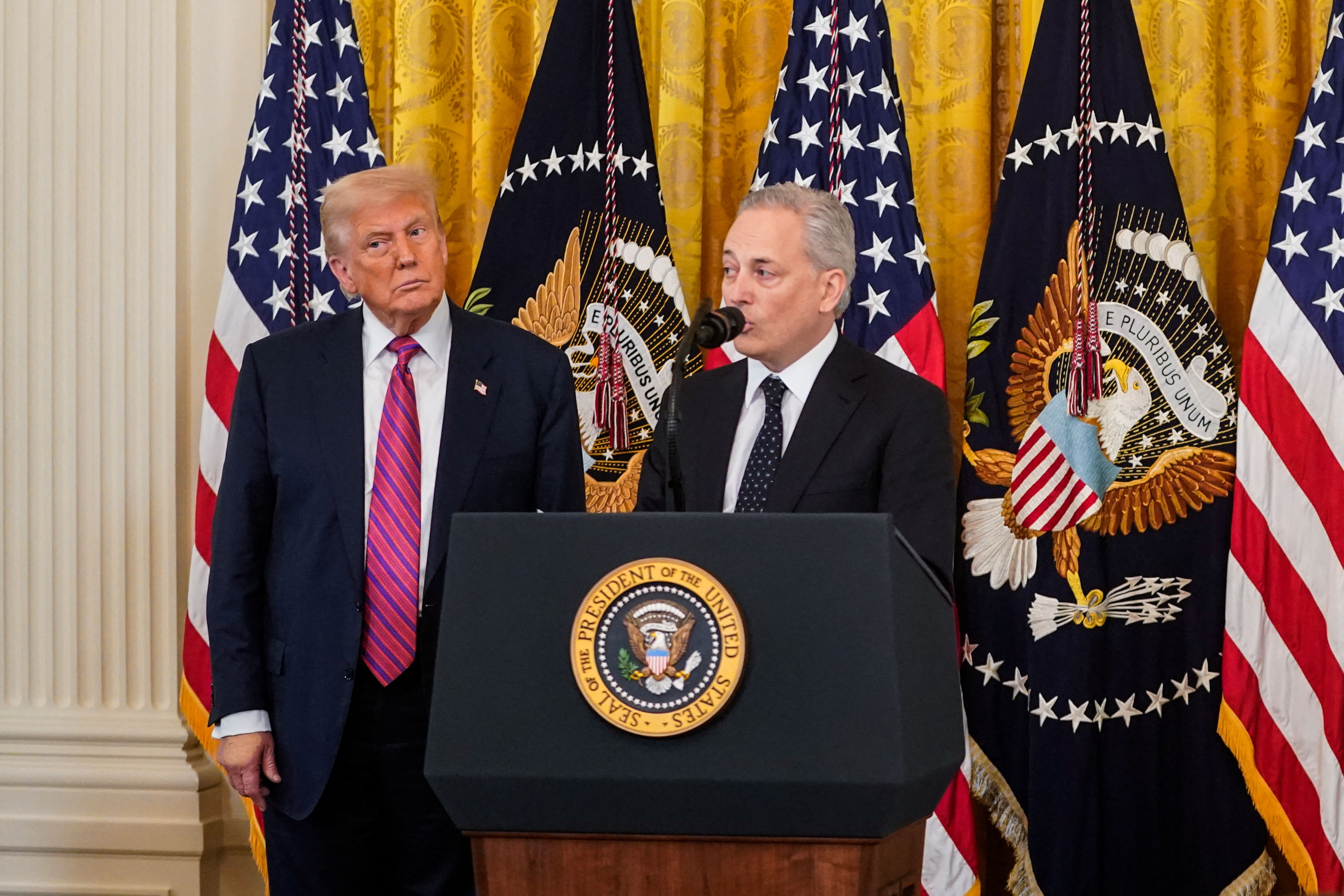
The White House has kept the specifics of its framework for assessing the cybersecurity risks of advanced artificial intelligence models under wraps, collaborating with OpenAI and Anthropic to discuss such measures. However, the administration has no intention of making these details publicly available. This decision has sparked criticism from AI safety advocates who argue that opacity undermines trust in the government's ability to effectively evaluate and secure these models.
The justification behind the secrecy lies in the fact that frontier AI labs are required to submit their most powerful models for assessment a full 30 days before they are released. While some may interpret this as an attempt to hide information, a more insightful perspective would be to recognize that there is no need to conceal the process at this juncture.
The analogy of early aviation in the 1920s can be drawn here: when airplanes first emerged, they presented significant dangers, but it took several decades of refining regulations and technological progress to transform air travel into one of the safest modes of transportation. The same principle applies to AI technology; despite the current lack of understanding regarding the inner workings of large language models and their complete controllability, there has been substantial progress in AI safety research within the private sector.
The primary purpose behind these guidelines is to equip the US government with an early understanding of forthcoming developments, which could prove strategically beneficial for both offensive and defensive cyber capabilities. It is crucial to note that there is no expectation for an AI model to be definitively certified as "safe."
Instead, safety evaluations are contingent on the accumulation of knowledge from prior mistakes. No lab, nonprofit, or government entity can tackle the most extreme concerns raised by AI-safety critics, who fear that AI models may eventually surpass human control. However, the argument that this technology represents the first in history for which we cannot afford to learn through trial and error holds merit.
The White House's efforts to vet AI cybersecurity risks would concentrate solely on the top-tier products developed by US companies, excluding lower-cost AI software. This selective approach aims to provide the government with a competitive edge in developing offensive cyber capabilities and defenses, an aspect that would be best kept confidential.
Written by urgent.news from Semafor's reporting — not their text. Machine-written — may contain errors; check the original before relying on it.