The Scent of Ancient Rome in St. Louis
An exhibition makes a case for the sensuality of these marble sculptures, recreating the perfumes and balms that once adorned them.
Ancient Splendor: Roman Art in the Time of Trajan, an exhibition at the Saint Louis Art Museum, explores the sensuality and cultural richness of the Roman Empire during the reign of Trajan, renowned for fostering growth, stability, and innovation. Trajan ruled from 98 to 117 CE, and as part of the "Five Good Emperors," his reign marked a shift towards an efflorescence of art, architecture, and culture beyond the traditional connotations of masculinity associated with the empire.
Upon entering the exhibition, visitors encounter a marble statue of Trajan in military attire, whose contrapposto posture and engaging gaze lends an air of leadership and forward momentum to the portrayal. The pteryge, or skirt, of scalloped layers on Trajan's garment echoes the rounded shape, while his paludamentum, or cloak, adds a touch of softness to his stance.
The exhibition highlights the unprecedented influence of women during Trajan's reign, exemplified by the enormous marble bust of Plotina, his wife, which is the same size and height as Trajan himself. This pairing of equals suggests a shared power dynamic in Trajan's rule. Plotina was instrumental in advocating for fairer taxation, education access, and support for the impoverished and orphans.
Various scent boxes designed by Alexy Karenowska, director of technology at the Institute for Digital Archaeology, infuse the exhibition with the fragrances of the era—lilac representing perfumed oil, rose and honey evoking the ambiance of Roman homes, and garum, a fermented fish sauce integral to ancient Roman cuisine. These olfactory experiences aim to immerse visitors in the multi-sensory atmosphere of daily life within the empire.
The segment titled "Women's Spaces and Faces" delves into the ideals of beauty, taste, and decorum that women were taught to uphold. It features a series of busts of aristocratic ladies, exquisite gold, glass, and emerald jewelry, and a fresco depicting the judgment of Paris. The exhibition prompts visitors to ponder the often-overlooked labor behind the beauty industry of the time, particularly the contributions of enslaved individuals.
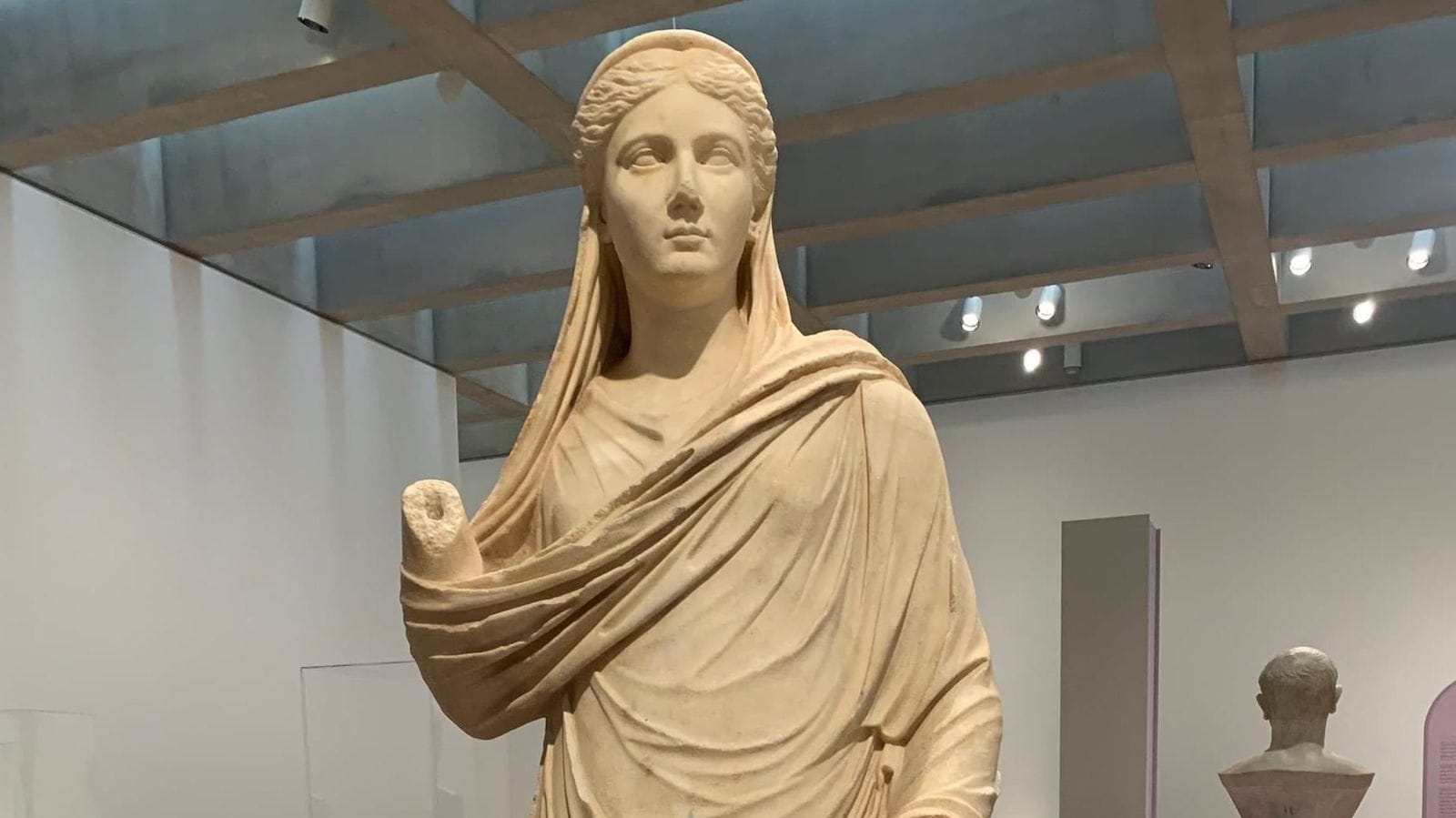
In the "Religion and Myth" section, a statue portrays Trajan's grandniece Sabina in the guise of agriculture and fertility goddess Ceres. This representation underscores how women in the imperial family frequently undertook roles as priestesses in public religious rituals. Demonstrating remarkable preservation, Sabina exudes a calm demeanor befitting classical antiquity, her palm holding blooms and shoots of wheat in homage to her deity.
The exhibition caters to a diverse range of interests, offering a sumptuous immersion into an era where women played active roles in civic life, alongside displays of battle helmets and commanding depictions of lesser-known rulers like Caligula. Ancient Splendor: Roman Art in the Time of Trajan, a collaborative effort organized by Lucrezia Ungaro, the archaeological curator of the city of Rome, runs through August 16 at the Saint Louis Art Museum.
Written by urgent.news from Hyperallergic's reporting — not their text. Machine-written — may contain errors; check the original before relying on it.