The Saudis Are the Architects of Their Own Misfortune
Missed opportunities and strategic blunders have plagued Riyadh.
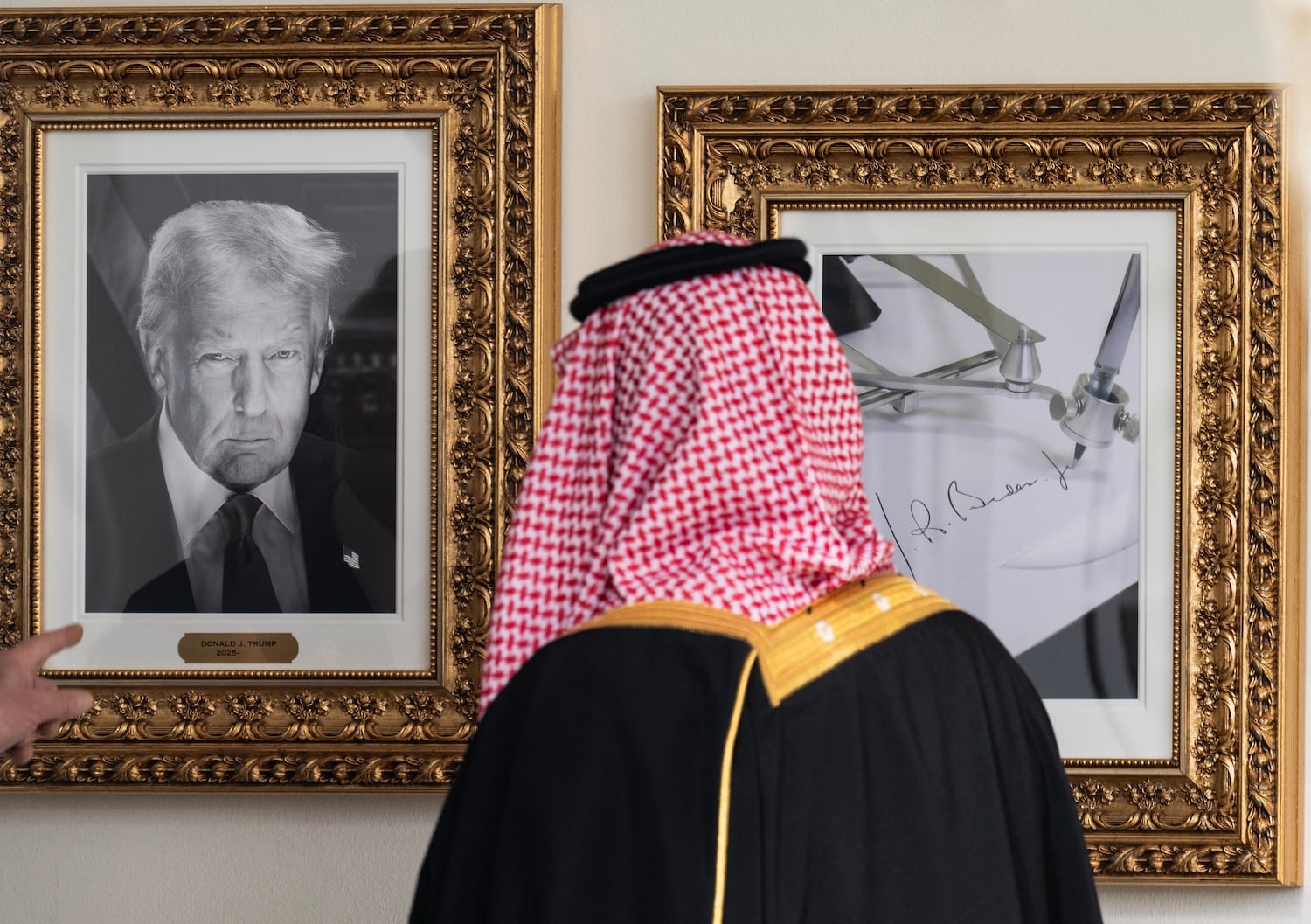
The recurring issue plaguing the nation's website is impeding its proper operation. Troubleshooting advice or an email to [email protected] is recommended for resolution. Regrettably, the Saudis find themselves caught in a precarious situation, sandwiched between Iran and the Houthis. This unfortunate predicament stems, in part, from the influence of an unpredictable and indecisive U.S. president.
Over the course of the last ten years, Saudi Arabia's leaders have been resolute in their pursuit of regional stability while simultaneously working towards the modernization of their country. At one point, the Middle East experienced a period of relative tranquility that allowed Crown Prince Mohammed bin Salman and his advisors to envision a radically transformed kingdom by the year 2030.
However, the recent October 2023 Hamas attack on Israel triggered a wider regional conflict. Despite their best efforts to remain detached from the turmoil, Saudi Arabia's lack of strategic planning has inadvertently exacerbated its own challenges. The most recent flare-up between Saudi Arabia and Ansar Allah, also known as the Houthis, occurred on July 13 when the Saudi Air Force allegedly targeted the runway at Sanaa International Airport.
This action appears to be driven by poor judgment, as the Saudis claim to be acting on behalf of Yemen's officially recognized government, which has raised concerns about violations of a U.N. arms embargo on the Houthis. The strikes aimed to impede the landing of an Iranian Mahan Air flight carrying a Houthi delegation back from the funeral of Ayatollah Ali Khamenei.
Although Mahan Air serves as the Islamic Revolutionary Guard Corps' primary carrier for supplying allies, it is plausible that the Houthis were transporting more than just goods. Allowing the Houthi flight to land, despite it potentially violating Security Council resolutions, would have been a reasonable decision given the numerous past provocations from both the Houthis and the Iranian Revolutionary Guards.
The Saudi decision to bomb the runway at Sanaa International Airport appears to be a misguided move that will likely result in greater risks for the kingdom. The Houthis retaliated by launching attacks on Abha International Airport in Asir province and oil facilities in Jazan, on the Red Sea coast close to Yemen. They also imposed a blockade on Saudi shipping in the Bab el-Mandeb Strait.
Furthermore, Iraqi militias allied with Iran and the Houthis have targeted Aramco facilities in Yanbu and the Saudi oil processing plant at Abqaiq, which are vital to global energy supplies. Adding to the kingdom's woes, Saudi Arabia has been facing the Houthis alone, with no support from neighboring Arab states. While regional leaders have expressed solidarity with Riyadh and condemned the Houthi attacks, none have offered assistance owing to their weakness and reluctance to confront the Houthis.
The United Arab Emirates (UAE) could have been an exception, but tensions between Riyadh and Abu Dhabi escalated last December when the latter took control of most of southern Yemen and declared their intention to achieve independence. Riyadh saw this as a violation of their efforts to find a diplomatic and political resolution to Yemen's long-standing crisis and maintain the country's unity, so they retaliated by bombing the STC forces, driving its leadership out of the country, and demanding that the UAE stay out of Yemen.
While the Saudis' anger is understandable, they have lost sight of the bigger picture. The STC's decision to pursue independence could have placed the Houthis and their IRGC backers on the defensive, potentially leading to a more favorable outcome for the region. However, the Saudis' focus on maintaining the unity of Yemen has resulted in missed opportunities for cooperation and stability.
Additionally, the Saudis' opposition to Israel's recognition of Somaliland demonstrates another act of misplaced strategic thinking. Given the potential benefits of an independent Somaliland, such as a regional ally against the Houthis and a strategic foothold for Israel, the Saudi stance seems counterproductive.
Written by urgent.news from Foreign Policy's reporting — not their text. Machine-written — may contain errors; check the original before relying on it.