The Fruitless Search for Vermeer’s Personal God
A recent biography spends too much time speculating about the Dutch artist’s religious beliefs and not enough exploring other mysteries, including his possible use of a camera obscura.
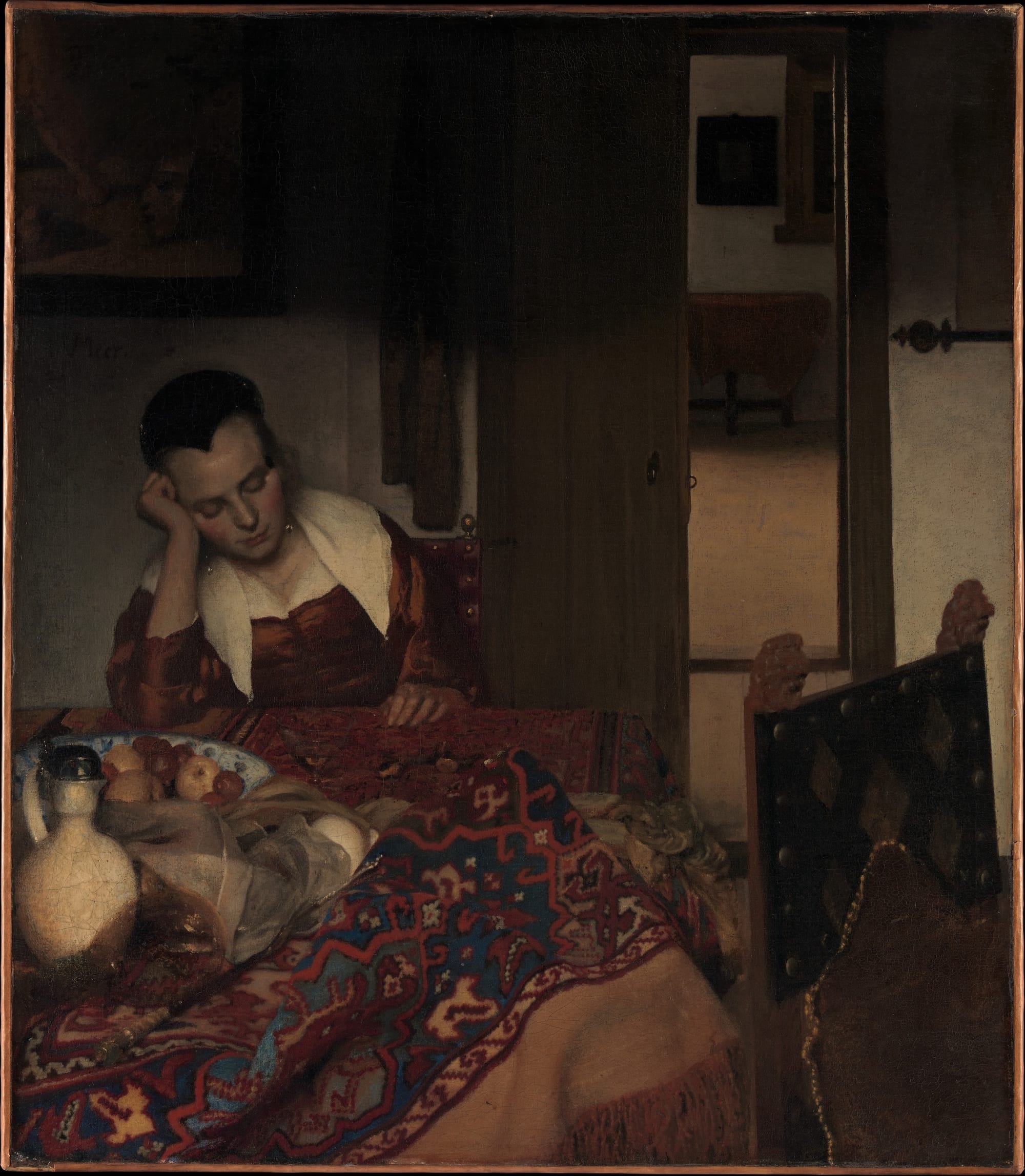
Johannes Vermeer, a Dutch master during the 17th century, remained relatively obscure in his lifetime. His fame soared only in the mid-19th century, a transformation credited to French art historian Théophile Thoré. Thoré christened Vermeer the "Sphinx of Delft," an epithet that underscored the enigmatic nature of his paintings and his scarcity within historical records.
This enigma has persisted, fueling an enduring fascination with Vermeer’s work. His art, characterized by its subtle beauty and meticulous detail, has not only captivated scholars but also filmmakers and fiction writers. The allure of Vermeer reached new heights with the sold-out 2023 exhibition at the Rijksmuseum in Amsterdam, a testament to his enduring appeal.
The recent surge in interest is further exemplified by Art historian Andrew Graham-Dixon's new biography, "Vermeer: A Life Lost and Found" (2026). Graham-Dixon's book offers a comprehensive, accessible, and, at times, audaciously expansive reinterpretation of Vermeer’s life and oeuvre. This work joins a growing body of literature that seeks to unravel the mysteries surrounding the Dutch painter, offering new insights into the enigmatic artist that has captivated the art world for centuries.
Written by urgent.news from Hyperallergic's reporting — not their text. Machine-written — may contain errors; check the original before relying on it.