The 'Dark Matter' season 2 trailer is here, and it looks like Apple TV has another sci-fi hit on its hands
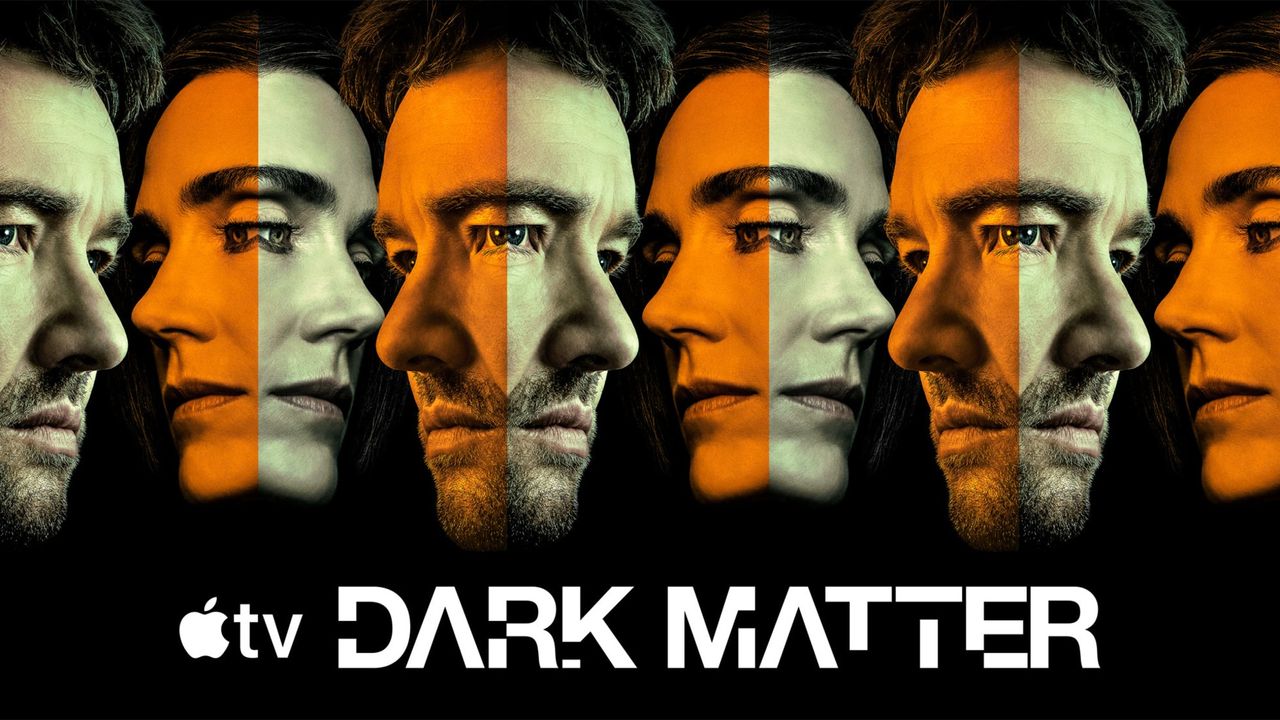
Prepare for a mind-bending journey as Apple TV gears up to unveil the second season of their critically acclaimed sci-fi series, "Dark Matter," set to release on August 28, 2026. Adapted from the gripping novel by New York Times bestselling author Blake Crouch, the show has already established itself as a standout in the streaming giant's list of premium sci-fi content, which includes hits like "Foundation," "Silo," and "Severance."
Season 1, which premiered in 2024, took viewers on a reality-warping ride, starring Joel Edgerton as quantum physicist Jason Dessen, who finds himself in an alternate reality and must prevent his doppelganger from taking control of his life and family. The second season promises even more multiverse action, as the Dessen family is once again thrown into chaos when an unforeseen threat forces them to run for their lives.
Season 2's synopsis reveals a gripping tale of obsession, paranoia, and the fight to maintain their fragile stability. Oscar-winning actress Jennifer Connelly, alongside Alice Braga, reprises their roles as Jason's wife Daniela and his girlfriend in the alternate universe, Amanda Lucas, respectively. The show's creator, Oscar-winning writer and director Blake Crouch, returns as showrunner and executive producer, alongside a talented team including Joel Edgerton, Jakob Verbruggen, Don Kurt, David Manpearl, and Matt Tolmach.
With a star-studded cast including Jimmi Simpson, Dayo Okeniyi, Oakes Fegley, and Amanda Brugel, "Dark Matter" season 2 is set to captivate fans of sci-fi shows like "Fringe," "The Man in the High Castle," "Black Mirror," and "Rick and Morty."
Written by urgent.news from Space.com's reporting — not their text. Machine-written — may contain errors; check the original before relying on it.