Summer Star Shower: Watch the Perseids with NASA!
The Perseids are back! One of the year’s brightest and most popular meteor showers has been ramping up since early July and will sparkle in the skies through the end of August. The shower reaches its peak on the night of Aug. 12 into the early morning of Aug. 13, and its visibility should be […] The post Summer Star Shower: Watch the Perseids with NASA! appeared first on NASA Science .
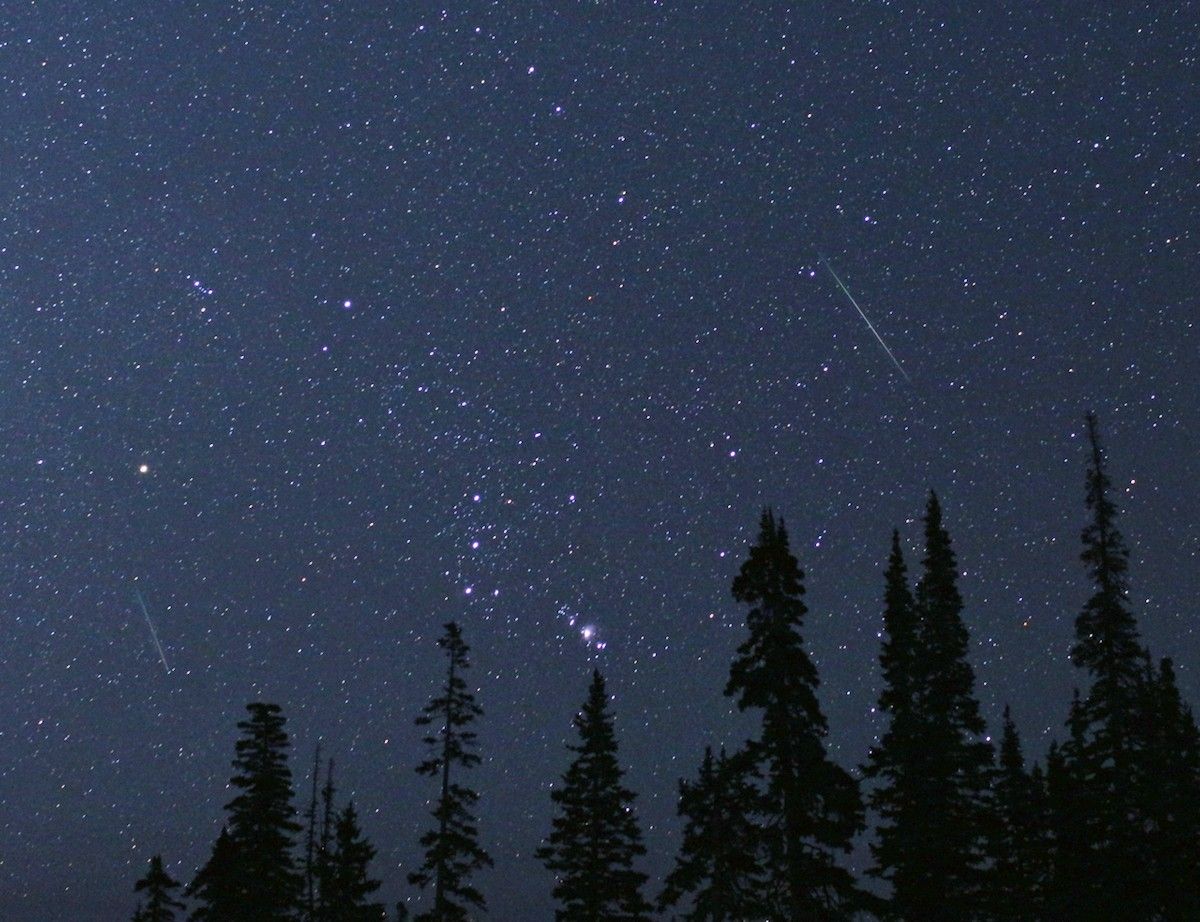
The Perseids, one of the year's most prominent meteor showers, are returning after early July ramp-up. This celestial event will shine brilliantly throughout the night of August 12 into the early hours of August 13. The ideal viewing conditions are supported by a new Moon phase, ensuring a dark sky for optimal observation. Join NASA in watching the skies with live streams on YouTube, featuring meteor experts, live views from Marshall Space Flight Center’s Automated Lunar and Meteor Observatory, and sky views from the International Space Station.
Throughout the peak, the Perseids can produce up to 50-100 meteors per hour under perfect viewing conditions. As one of the oldest recorded meteor showers, dating back over 2,000 years, the Perseids are a beloved event for their reliable activity, visibility in summer months, and the production of fireballs – exceptionally bright meteors leaving glowing trails across the sky.
The meteors of the Perseids are named for the constellation Perseus because they appear to radiate from this northern sky constellation. Greek mythology adds to the intrigue, with Perseus as the warrior who defeated Medusa and rescued Princess Andromeda, whose namesake constellation is visible nearby. To watch the Perseid meteor shower, find a location with dark skies, allow your eyes to adjust to the dark for 20 to 30 minutes, and simply look up.
Patience is key as meteors can appear anywhere overhead. Enjoy this premier celestial show as part of NASA's invitation for the public to share in the experience.
Written by urgent.news from NASA Science's reporting — not their text. Machine-written — may contain errors; check the original before relying on it.