Study finds readers rate AI-written stories higher, but still trust the “human” label more
A new study has found that readers not only struggled to tell AI-written stories from human ones, they often rated the AI versions higher, at least until they learned who actually wrote them.
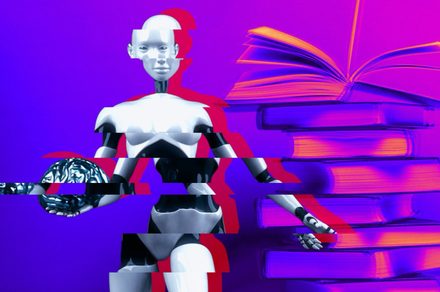
A recent study from Villanova University reveals that readers often rate AI-generated stories higher in quality and engagement, despite struggling to distinguish them from human-written works. Dr. Deena Skolnick Weisberg led the research, which surveyed over 1,600 participants on six short stories—three penned by humans, the others generated by ChatGPT.
Despite accurate labeling of the source, readers still preferred AI-written stories. However, when stories were labeled as human-written, they scored higher than AI versions, regardless of authorship. The findings suggest AI writing has advanced but human authors remain valuable. In a follow-up test, participants could only correctly identify AI or human-written stories about the same topic half the time, indicating spotting AI writing may be a skill rather than an innate ability.
This echoes a recent controversy at the Commonwealth Short Story Prize, where AI detection tools and professional judges could not definitively tell winning entries apart. Intel may soon add more cache to its laptop chips with the potential inclusion of Big Last Level Cache (bLLC) in its upcoming Razor Lake series. Meanwhile, Windows 11 users face issues with update KB5121003, which has caused crashes in The Finals.
ByteDance and Tencent have reportedly received H200 AI chips from NVIDIA in China, boosting their AI development capabilities in the face of U.S.-China tech tensions.
Written by urgent.news from Digital Trends's reporting — not their text. Machine-written — may contain errors; check the original before relying on it.