Specieswatch: Wild deer release millions of tonnes of methane a year
Scientists find ruminants emit more of greenhouse gas individually than cows, although total contribution tiny compared with domesticated livestock When cows belch and fart they release methane, which is warming the planet, but how does this compare with the digestive gases emitted by wild animals? A new study shows that deer add the greatest amount of methane to the atmosphere, but compared with…
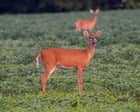
Scientists have discovered that wild deer release significant amounts of methane into the atmosphere annually. This revelation comes from a new study conducted by researchers at the Max Planck Institute for Biogeochemistry in Jena, Germany. The study aimed to compare the methane emissions of wild ruminants, such as deer, moose, and llamas, with those of domesticated livestock, specifically focusing on the role of methane production in the digestive process of these animals.
Methane, a potent greenhouse gas, has been rapidly increasing in concentration in the Earth's atmosphere over recent years, contributing to global warming. The study used recent estimates of global wild animal populations, paired with methane emission estimates based on body mass and diet, to calculate the methane output of wild ruminants.
The researchers found that while individual wild deer emit more methane than cows, the total contribution of wild ruminants to global methane emissions is still minuscule compared to that of domesticated livestock.
The study's findings highlight the complexity of understanding the sources of methane emissions, as both wild and domesticated animals rely on bacteria in their digestive systems to break down fibrous plant material, releasing methane as a byproduct. This research provides valuable insights into the role of wild ruminants in the global methane cycle, emphasizing the need for further investigation into the environmental impact of these animals.
Written by urgent.news from Guardian Science's reporting — not their text. Machine-written — may contain errors; check the original before relying on it.