Senate advances the latest Kids Online Safety Act out of committee
The House passed its own version of the contentious KOSA bill in June.
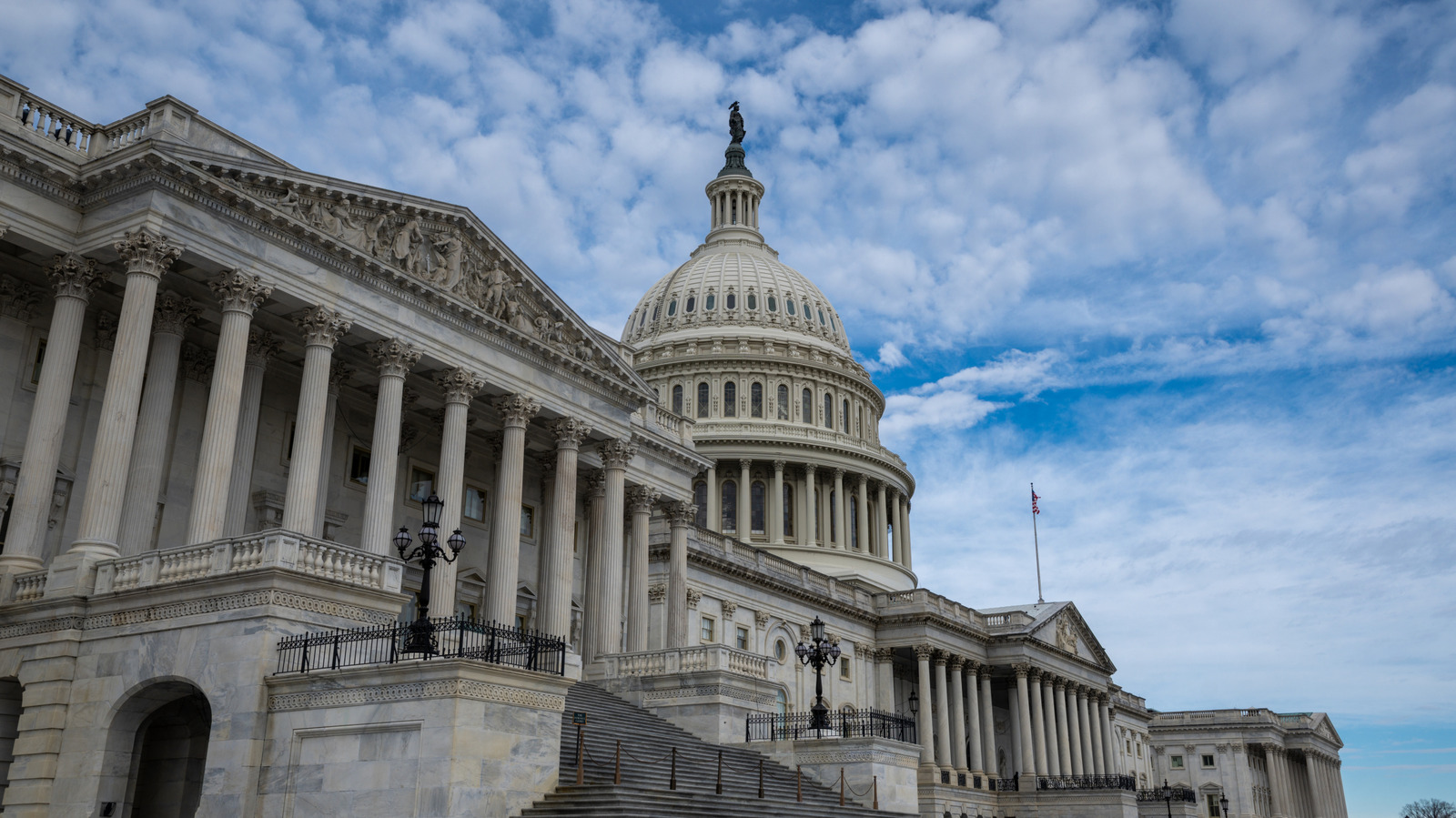
The Senate Commerce Committee has voted to advance the latest version of the Kids Online Safety Act (KOSA) out of committee, paving the way for a potential Senate floor vote, reports Politico. The House of Representatives had already passed its own version of the bill in June as part of the larger Kids Internet and Digital Safety (KIDS) Act, which combines KOSA with COPPA 2.0, a children-and-teens-focused privacy law.
While the passage through committee marks an important step, the version of the bill that the House passed has some key differences compared to the Senate's approach. Disputes in both chambers over the bill's specifics have previously resulted in KOSA's abandonment, including during the previous year when the Senate did pass the act.
The Senate's current iteration of KOSA is designed to impose stricter safeguards on social media platforms and other online services catering to children and teenagers. The legislation requires these services to offer mechanisms for minors to opt-out of addictive features such as algorithmic recommendations, and it includes provisions stating that online platforms must demonstrate a "duty of care" to minimize harm resulting from content promoting issues like sexual exploitation and eating disorders.
Notably, the House version of the bill does not incorporate this duty of care provision. KOSA has garnered support from tech giants including OpenAI, Apple, Microsoft, X, and Snap, which have helped shape the Senate's language, while facing opposition from industry groups such as NetChoice and digital rights organizations. Critics of the bill raise concerns over potential censorship and privacy infringements.
Civil liberties groups, including Fight for the Future and the American Civil Liberties Union (ACLU), warn that the duty of care enforced by a future Trump FTC could lead to a dangerous scenario of censorship and surveillance, particularly affecting LGBTQ+ youth who rely on online communities for connection, political organizing, and accessing vital resources that are increasingly suppressed by the Trump administration and right-wing state governments.
Written by urgent.news from Engadget's reporting — not their text. Machine-written — may contain errors; check the original before relying on it.
This story
This is one outlet's version. Read the fullest account.