Scientists link rising CO₂ to decline of the world's largest bees
Increasing atmospheric carbon dioxide levels pose a new threat to global pollinators. Larger bee species are becoming less abundant and genetically diverse. This shift favors smaller-bodied pollinators, impacting crucial pollination services. Nutritional changes in plants make it harder for large bees to meet energy demands. Protecting these vital pollinators requires addressing rising carbon…
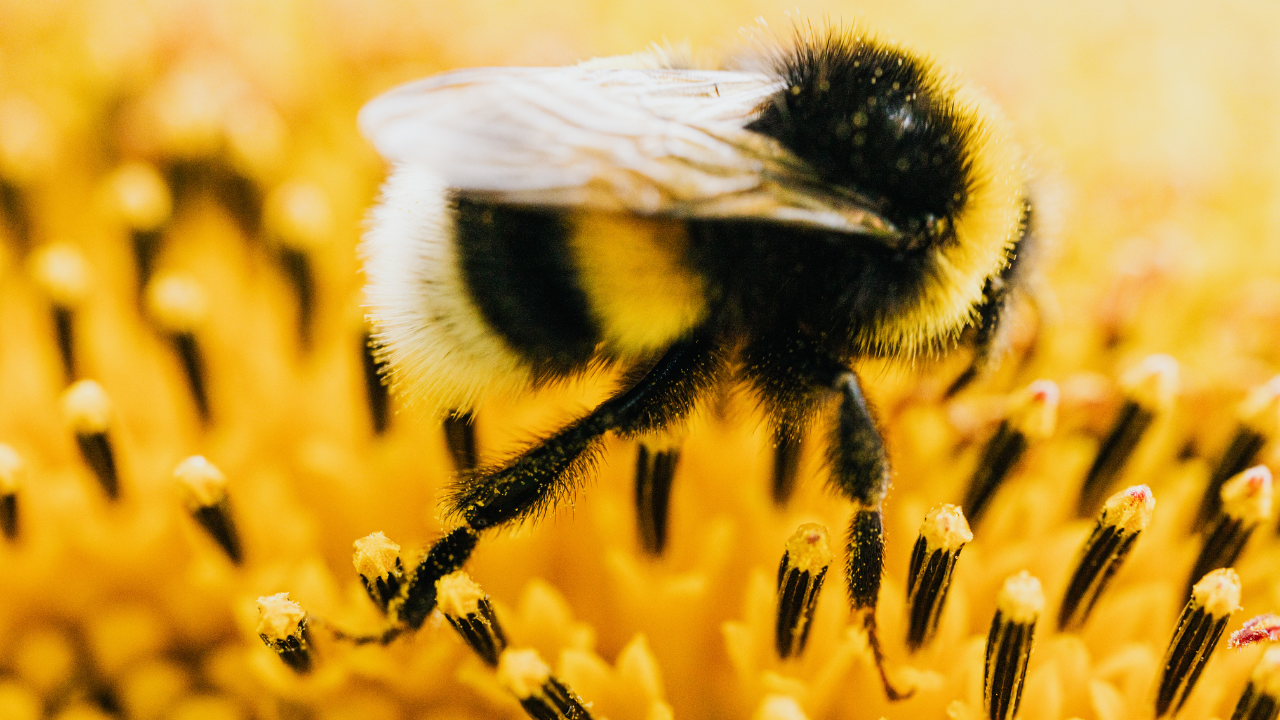
A recent study has found a link between rising atmospheric carbon dioxide (CO₂) levels and a decline in the world's largest bees. These bees, essential pollinators for both wild ecosystems and human-dependent crops, are increasingly threatened by climate change through higher CO₂ concentrations. The research, published in Global Ecology and Biogeography, reveals that larger bees are disproportionately affected, leading to smaller populations, reduced genetic diversity, and a shift towards smaller-bodied pollinators.
Unlike previous studies focusing on temperature and habitat loss, this new research directly examines the impact of elevated CO₂ on pollinators. Scientists compared bee and hoverfly communities across 25 sites with varying natural CO₂ levels, isolating the effects of atmospheric carbon dioxide while accounting for other environmental factors.
Their findings show that as CO₂ increases, communities shift towards smaller-bodied pollinators. Larger bee species become less abundant and exhibit lower genetic diversity, while several smaller species either remain stable or become more common.
Large bees face greater challenges due to their higher energy requirements. They need more nectar, protein-rich pollen, and generate more metabolic heat during flight. Elevated CO₂ can alter the nutritional quality of flowering plants by reducing pollen protein content and changing nectar chemistry, making it harder for large-bodied pollinators to meet their energy needs.
This nutritional stress likely contributes to their declining populations. The researchers identified large carpenter bees (Xylocopa), bumblebees (Bombus), and other sizeable pollinators as being particularly vulnerable under higher CO₂ conditions, while smaller genera such as Ceratina and Lasioglossum appeared more resilient.
The decline of large bees has significant implications beyond the insects themselves. These bees often collect more pollen, make more flower visits, and fly over longer distances, enabling them to pollinate large flowering plants, transport pollen over long distances, and ensure plant genetic diversity. Moreover, some crops and wild plants have flowers adapted to be pollinated by larger insects.
A decline in large pollinators could impair the reproduction of these plants, potentially affecting ecosystem productivity and agricultural output.
This study highlights CO₂ as another hidden climate threat to pollinators, in addition to temperature increases, habitat loss, and pesticide use. Protecting pollinators will require addressing not only the symptoms of environmental stress but also the underlying cause of increased atmospheric CO₂. Maintaining healthy populations of large pollinators is crucial for biodiversity, agricultural productivity, and ecosystem health.
As the authors point out, protecting these vital insects necessitates tackling manmade CO₂ emissions to ensure the survival of both the bees and the ecosystems they support.
Written by urgent.news from Times of India's reporting — not their text. Machine-written — may contain errors; check the original before relying on it.