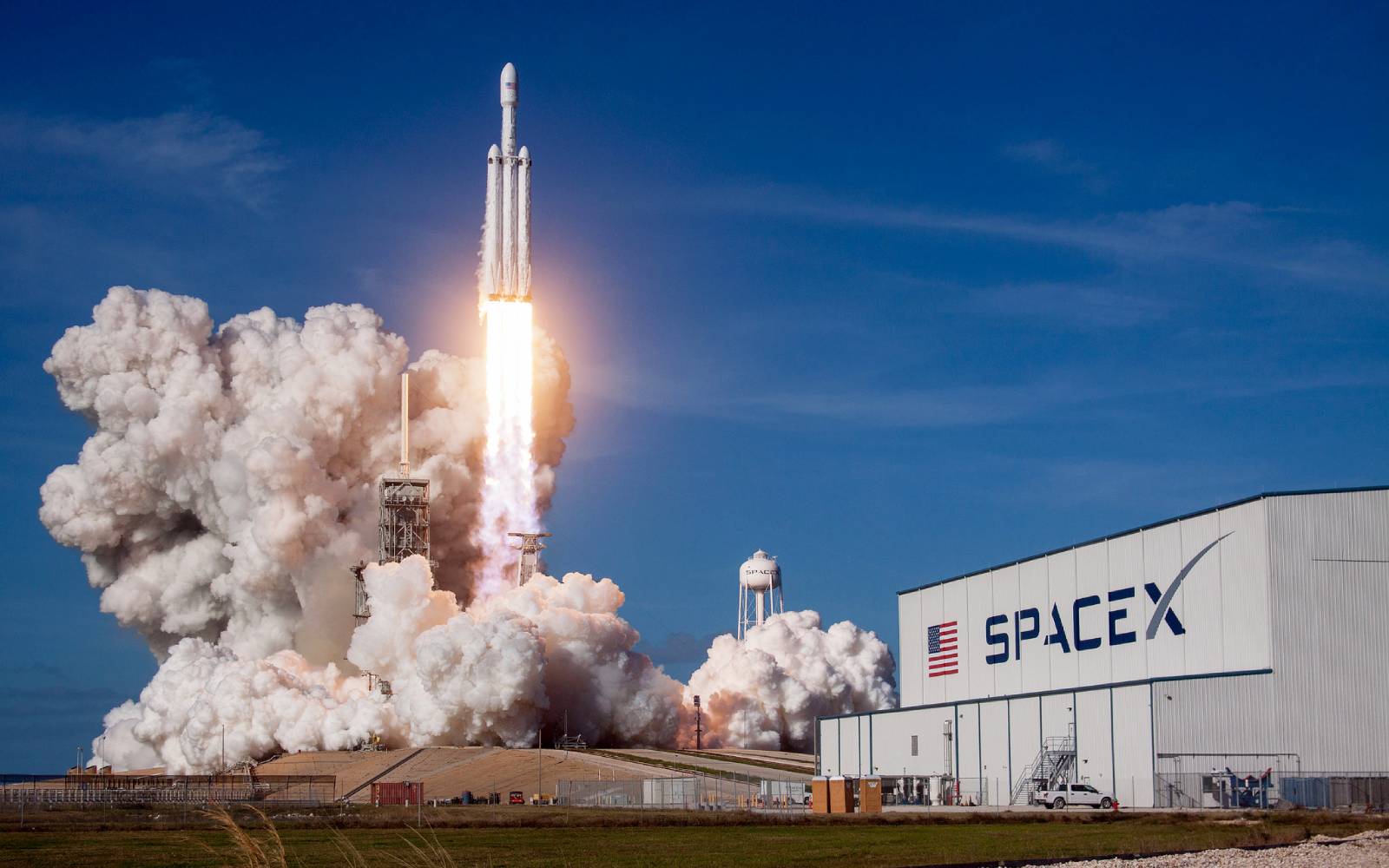
Raumfahrt und KI: Musk prophezeit Billionen-Umsatz für SpaceX - Aktie fällt
Die Weltraumfirma SpaceX von Elon Musk nahm beim Börsengang so viel ein wie kein anderes Unternehmen zuvor. Doch ihr Geschäft wirft weiter Verluste ab - und Musks Versprechen lassen die Börse kalt.
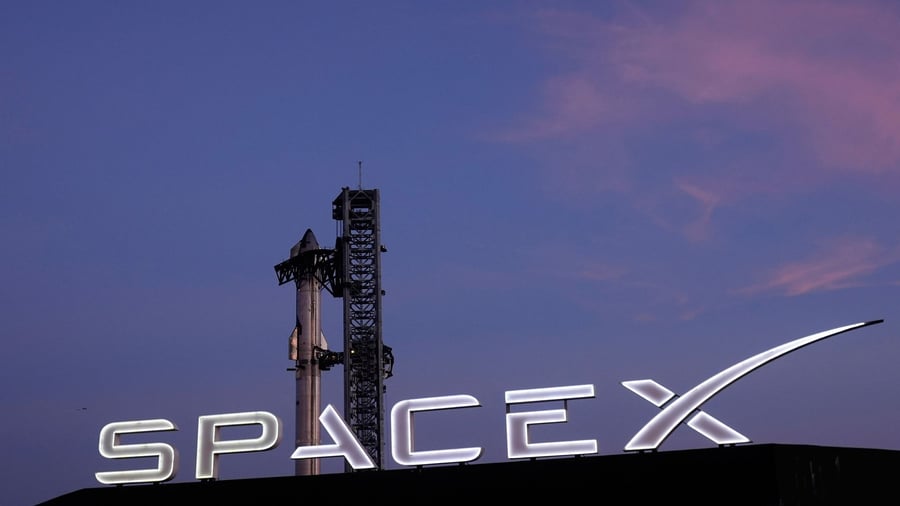
Elon Musk, the tech billionaire behind SpaceX and AI company Tesla, has been known for his audacious claims. Now, he has predicted SpaceX could reach a billion dollars in annual revenue by 2030, a year earlier than previously expected during a phone conference with analysts. Musk also reiterated plans to bring data centers into orbit and compete with telecom giants using satellite internet service Starlink.
However, Wall Street did not buy Musk's grand promises this time around. SpaceX's stock fell by approximately nine percent in early US trading on Wednesday. As of the last quarter, SpaceX had generated $7.8 billion in revenue, a 92 percent increase year-over-year. Musk credits the explosive growth mainly to the artificial intelligence business.
In the last quarter, the AI segment generated $2.56 billion in revenue, with $15.8 billion invested in expanding data center capacity. Around $1.6 billion of the revenue came from renting data center capacity to customers like AI firm Anthropic and Google. Currently, Amazon is the closest to the billion-dollar revenue mark, earning nearly $717 billion last year.
Starlink is the primary revenue generator for SpaceX, with quarterly revenue growing nearly two-thirds to $4.3 billion. Musk's internet in the sky has attracted airlines and other users. The operational revenue for Starlink surged 80 percent to around $1.66 billion, and the number of customers grew from 10.3 to 12 million in three months.
Gwynne Shotwell, SpaceX's operations manager, expressed confidence that Starlink, with newer powerful satellites, could outcompete major telecom providers and provide service in areas without mobile internet. Starship, set to become crucial for the US space program, is currently undergoing test flights. SpaceX aims for a million-ton annual payload and "potentially ten million tons" with Starship.
Musk stated that Starship could be launched "at least once per day" within a year, and possibly more frequently. For Tesla, Musk's electric car company, deadlines often slip, such as for autonomous driving and new models. Musk's ambitions for Starship and AI development have often outpaced the profits generated by Starlink. SpaceX closed the quarter with a $541 million loss, compared to a $1 billion loss the previous year.
The stock saw a record $75 billion debut on June 19, valuing Musk's company at nearly $1.8 trillion. This stark contrast to the current business is justified by Musk's grand plans for AI. In the weeks following the IPO, the stock price surged to around $225 before falling back to about $114 on Wednesday. Additionally, the lock-up period for insider and early investor shares, which would have been traded in the open market, closes on Thursday, potentially leading to lower prices if there's a higher supply with stable demand. Speculation about Musk taking over Tesla from SpaceX was not a topic during the analyst conference.
Written by urgent.news from Handelsblatt's reporting — not their text. Machine-written — may contain errors; check the original before relying on it.