Q&A: ‘To avoid war, we need to invest in climate solutions’
Angelique Pouponneau tells Dialogue Earth why small island states are optimistic about the ocean but tired of richer nations’ hypocrisy over climate change The post Q&A: ‘To avoid war, we need to invest in climate solutions’ appeared first on Dialogue Earth .
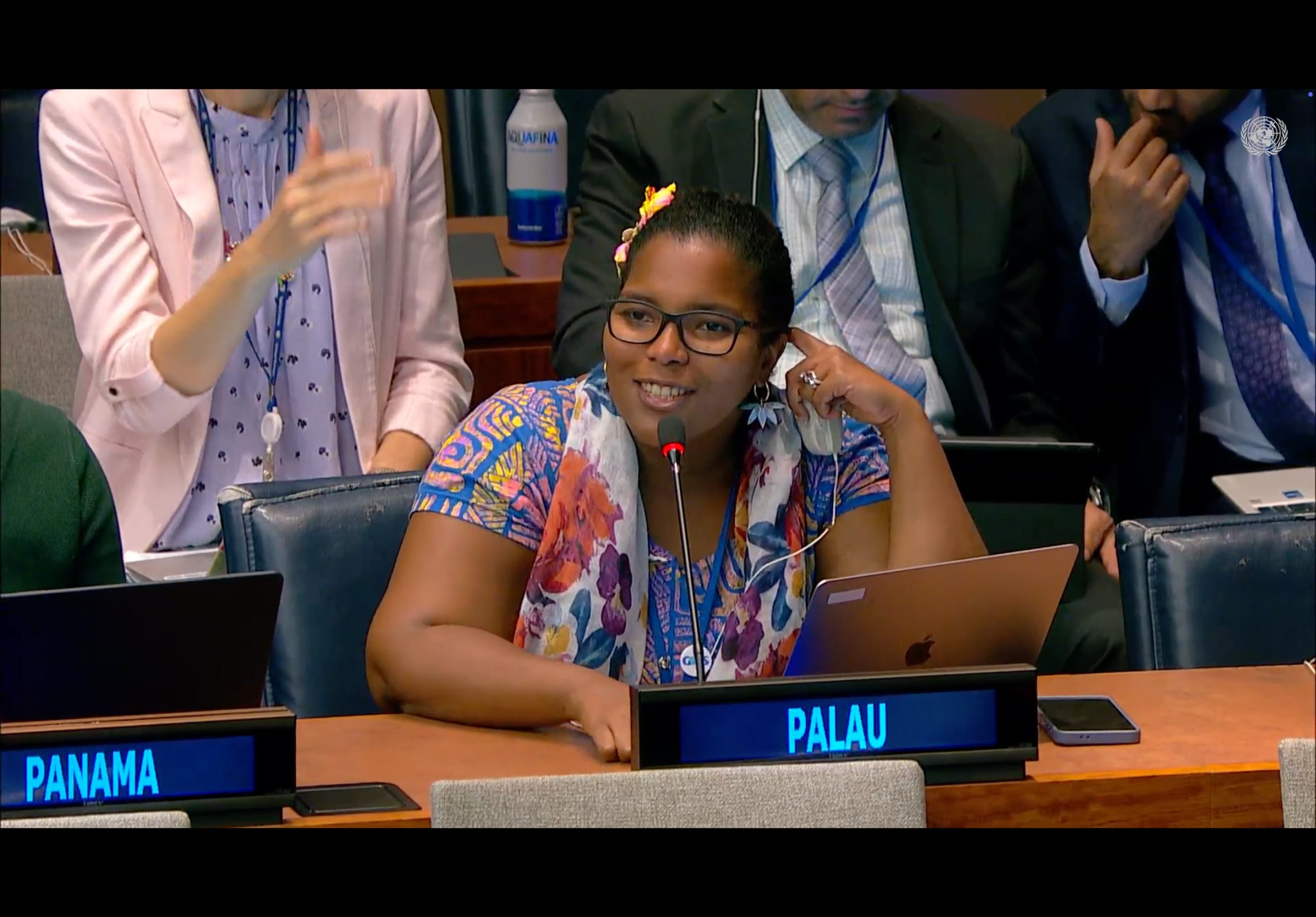
Leaders from island nations have long warned that the climate crisis and the health of the ocean are interconnected. However, decision-makers from wealthier countries have often ignored their concerns. Angelique Pouponneau, the lead ocean negotiator for the Alliance of Small Island States (AOSIS), recently spoke about the need for ocean-climate action and criticized nations that celebrate ocean protection while continuing to expand fossil-fuel use and failing to provide promised climate finance.
Pouponneau believes that meaningful ocean-climate action must be accompanied by deep emissions cuts and investment in climate solutions alongside emissions reductions.
Small island states are described as being on the frontlines of the climate crisis. Pouponneau stated that while there was enthusiasm at the recent Our Ocean Conference in Mombasa, it needs to be complemented by real action. She emphasized that hypocrisy should not be tolerated when states claim to love the ocean but refuse to curb greenhouse gas emissions.
Small island states and the Global South have become frustrated with the lack of progress in climate diplomacy, with many negotiating countries feeling that the United States, once a pace-setter, is no longer leading the charge. They argue that Europe, in particular, needs to take a stronger stance on climate action.
Blue-carbon ecosystems, such as mangroves, seagrass meadows, and salt marshes, have gained attention for their potential to address climate change. Pouponneau acknowledged the excitement surrounding these ecosystems but stressed that they are supplementary solutions, not the primary solution. The solution lies in cutting emissions and recognizing the ocean's role in climate change mitigation.
The main challenges preventing these supplementary solutions from being scaled up are governance and coordination, as well as finance.
Pouponneau highlighted the importance of coordination among countries and regions, as coastal wetlands extend beyond national borders. Additionally, finance is crucial for scaling up these solutions, as vulnerable nations hold many of the potential answers but are not responsible for the problem. The gap between promises and delivery in climate finance remains significant, and Pouponneau advocated for incentives to motivate action.
She emphasized that while climate justice must remain a priority, a multi-pronged approach involving both mitigation and adaptation is necessary.
The blue economy has become a prominent theme in ocean discussions, but Pouponneau warned that its definition often remains undefined. In the Seychelles, she argued that economic prosperity, environmental sustainability, and social equity must go hand in hand when considering the ocean.
Written by urgent.news from Dialogue Earth's reporting — not their text. Machine-written — may contain errors; check the original before relying on it.