Progressives didn’t get the big election night they wanted
The razor-thin margin will only deepen divisions over the future of the Democratic Party.
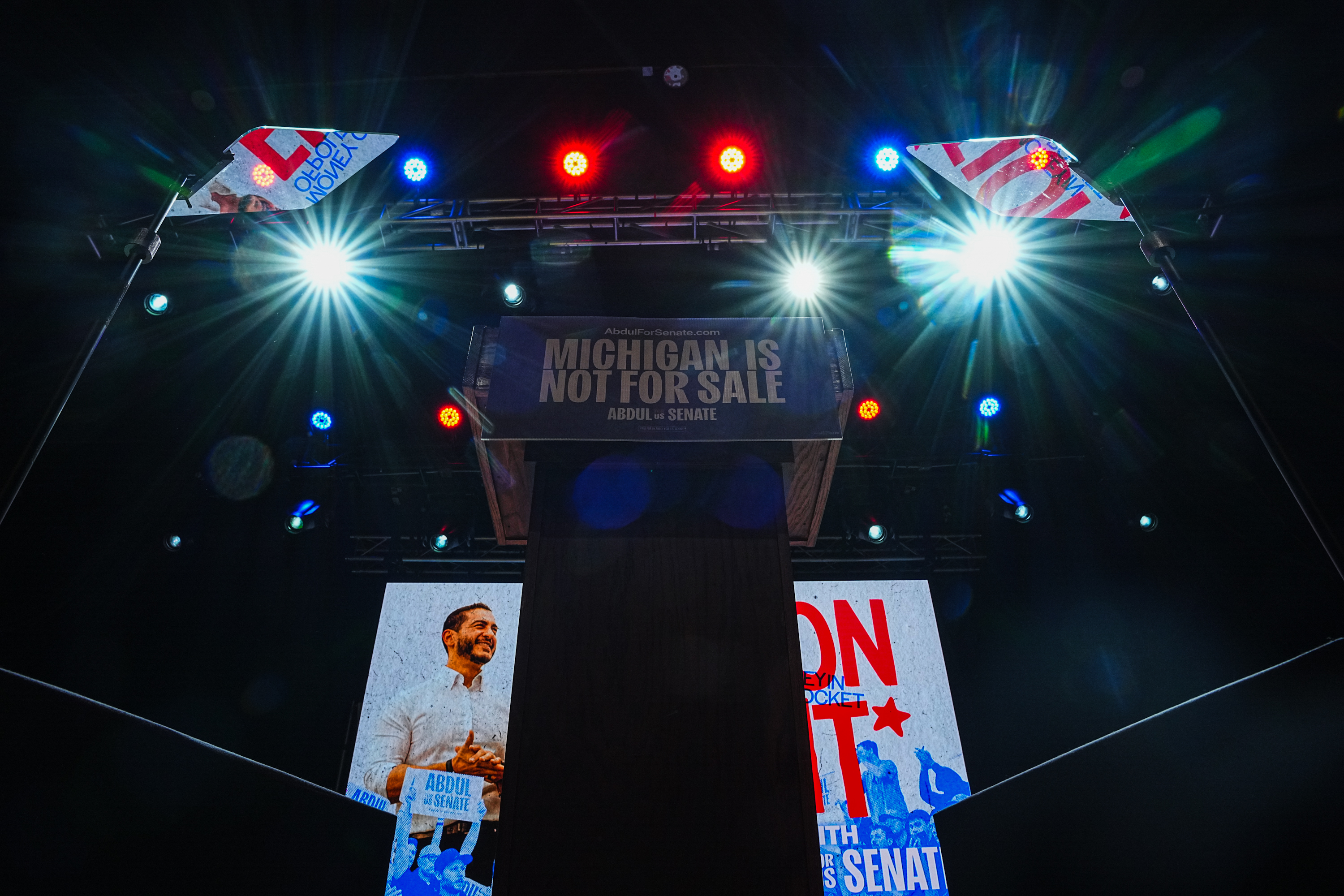
Progressives didn't achieve the anticipated electoral success in Tuesday night's midterms. Moderate candidates experienced a stronger-than-expected performance. As early results trickled in from Michigan's Senate primary, the contest between progressive Abdul El-Sayed and moderate Rep. Haley Stevens remained unresolved. This left Democrats uncertain about the party's capacity to contend and win in a battleground state.
The ongoing internal party debates began even before the votes were fully counted. Some within the party expressed disappointment, pointing to El-Sayed's decisions, such as attending a pool party with progressive influencer Hasan Piker, as contributing to his narrow lead. El-Sayed's performance was strongest in the state's affluent, well-educated regions, while Stevens outperformed him in areas with lower average incomes and fewer college-educated voters.
Public polling leading up to the election had shown a more significant gap between the two candidates. The progressive wave that had been apparent in primary campaigns throughout the spring didn't seem to materialize in Michigan, sparking questions about the movement's effectiveness. While El-Sayed could still secure a win and advance to the general election, the close margin meant he would face a challenging task in unifying the party after a contentious primary period.
The results were mixed beyond the Senate race. Progressive candidates like William Lawrence, a co-founder of the Sunrise Movement, and Donavan McKinney, a Democratic socialist, also saw wins in their primaries, but often due to moderate candidates splitting the vote. In Missouri, progressive Cori Bush's comeback bid did not succeed.
For El-Sayed, the close race was seen as a victory against the heavy spending against him from pro-Stevens groups, though he later clarified that a significant time was needed to count all of Michigan's votes. Despite the narrow margin, both candidates acknowledged the need to mend party divisions, with El-Sayed promising to rebuild a stronger movement.
Republicans viewed El-Sayed's win as a positive sign for their Senate map, hoping to capitalize on his rural vote weakness.
Written by urgent.news from POLITICO's reporting — not their text. Machine-written — may contain errors; check the original before relying on it.