PLA scientists say submarine cables carrying 99% of global data could be ‘easy target’
The underwater cables that play a vital role supporting the international digital economy are increasingly vulnerable to attack from low-cost drones, Chinese military researchers have warned. They said the seabed had long been viewed as a strategic “blind spot” due to the difficulty of exploration and the high cost of controlling it, but was becoming a “new arena for great power rivalry”. “The…
Recent warnings from Chinese military scientists have highlighted the vulnerability of the submarine cables that transmit 99% of global data traffic. These cables, essential for online services and financial transactions worth $10 trillion annually, are increasingly at risk from low-cost drones, according to researchers from the National Defence University.
Traditionally seen as a "strategic blind spot" due to exploration difficulties and high costs, the seabed is now becoming a "new arena for great power rivalry," the researchers noted. The barrier to entry for undersea warfare is lowering, partly due to the Aukus pact between Australia, Britain, and the United States, which is driving advancements in unmanned undersea vehicle (UUV) technology.
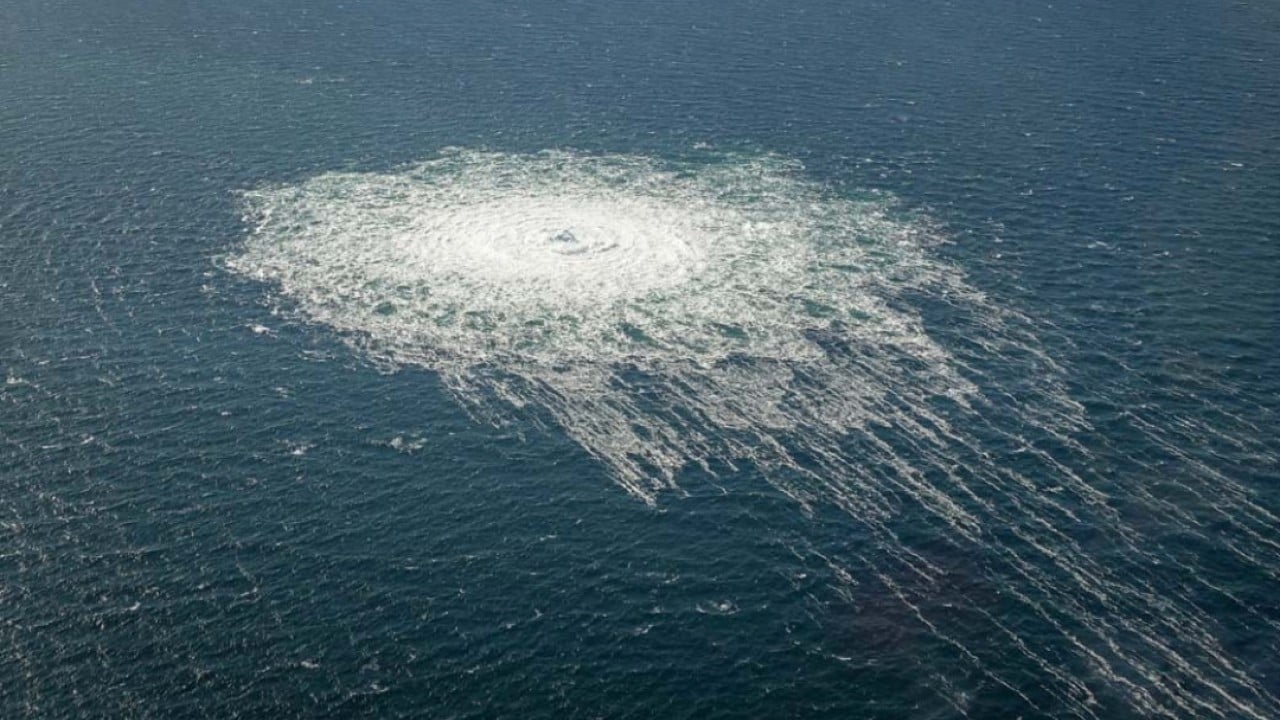
These UUVs, which are low-cost and easy to deploy in large numbers without risking human lives, pose a significant threat to undersea cables. Incidents such as the 2022 sabotage of the Nord Stream pipelines and the disruption of internet services after cables in the Red Sea were cut last year exemplify the dangers posed by these cables.
While state-sponsored sabotage remains a risk, accidental damage is the predominant cause of subsea cable failures. The International Cable Protection Committee, however, believes that verified incidents of state-sponsored sabotage have not occurred since World War II.
The Chinese researchers emphasize that the Aukus alliance's decision to develop UUVs for protecting underwater infrastructure and conducting surveillance, reconnaissance, and anti-submarine operations paves the way for future joint operations. They argue that these developments could fundamentally change the logic of underwater warfare, making advanced AI-equipped UUVs capable of autonomous operation for extended periods and operating in packs to patrol and disrupt cable infrastructure.
Written by urgent.news from Reuters Business via SCMP's reporting — not their text. Machine-written — may contain errors; check the original before relying on it.
This story
This is one outlet's version. Read the fullest account.